
Storage Solutions: Keeping Your Feminized Seeds Viable
Key Takeaways
- Maintain stable temperature and low humidity to ensure seed longevity.
- Airtight, opaque containers protect seeds from air, moisture, and light.
- Regular visual and germination tests are essential for monitoring viability.
- Organization and labeling promote easy and responsible seed use.
- Long-term storage techniques like refrigeration and freezing can extend viability for decades.
Table of Contents
- Understanding Seed Viability
- Optimal Storage Conditions
- Choosing the Right Storage Containers
- Common Storage Mistakes to Avoid
- Long-Term Storage Techniques
- Monitoring Seed Viability
- Labeling and Organizing Your Seed Collection
- Final Thoughts
Even the best genetics can be rendered worthless without the right environment. By ensuring seeds are stored under ideal conditions, growers maximize their potential germination rate and maintain healthy, vigorous plants. Responsible stewardship of your feminized seeds ensures consistent results season after season.
Those investing in quality seed know that every detail matters. Comprehensive seed storage strategies prevent unnecessary waste, reduce costs, and help growers maintain access to premium genetics year after year.
Understanding Seed Viability
Seed viability describes the seed's ability to sprout and grow into a healthy adult plant. This isn’t just about whether the seed is alive, but also how likely it is to produce robust plants after germination. Viability is a function of multiple environmental and genetic factors—temperature, humidity, air, and light all affect the delicate biochemistry inside each seed. Preserving viability requires attention to each variable, as even minor lapses can shorten a seed’s life.
Optimal Storage Conditions
The long-term success of storing feminized seeds depends on creating stable, protective conditions. The four critical elements are:
- Temperature: Keep seeds at a consistent 40°F to 45°F (4°C to 7°C). Avoid areas exposed to recurring heat or daily fluctuations, such as attics or garages.
- Humidity: Maintain 5% to 10% relative humidity. Too much moisture spurs mold, while too little causes the seed to desiccate. Adding silica gel packs helps moderate these conditions.
- Light Exposure: Store seeds in absolute darkness. Prolonged or brief bouts of light can start the germination process prematurely and weaken the stored seeds.
- Air Quality: Limiting contact with oxygen is essential. Airtight containers decrease oxidation, slowing down the natural process of seed deterioration.
These guidelines align with research on seed biology reviewed by sources, emphasizing the dangers of temperature and humidity swings to stored seed viability.
Choosing the Right Storage Containers
Your container choice can be just as important as your control over environmental conditions:
- Glass Jars with Tight Seals: Provide an illicit moisture and oxygen barrier—ideal for long-term storage. Adding a desiccant pack inside further controls humidity levels.
- Vacuum-Sealed Bags: If space is a premium or you want to restrict oxygen further, vacuum-sealing is an excellent option. Seal bags in low humidity for the best results.
- Opaque Containers: Prevent light infiltration, keeping seeds dormant until you germinate them.
Common Storage Mistakes to Avoid
- Unstable Environments: Do not store seeds in places prone to daily or seasonal changes, like a shed or basement without climate control.
- Non-Airtight Containers: Avoid envelopes, plastic baggies, or any vessel that isn’t fully sealed.
- Light Exposure: Remember, even a minute of light can influence hormonal changes inside seeds, leading to faster aging.
Long-Term Storage Techniques
For those planning to preserve seeds for many years, specialized methods are required:
- Refrigeration: Storing seeds at 40°F (4°C) in a fridge greatly extends their lifespan, often maintaining high germination rates for five years or more.
- Freezing: True long-term storage comes through freezing—seeds can be stored for over 30 years. To freeze, learn more and ensure seeds are fully dried and sealed in an airtight container to avoid ice crystal damage.
Monitoring Seed Viability
Long-term storage doesn’t mean seeds should be ignored. Periodic checks assure quality and help avoid disappointment:
- Visual Inspection: Examine seeds every few months for mold, color changes, or other damage.
- Germination Tests: Take a sample every 1–2 years and check germination rates. A decline signals it may be time to use or refresh stock.
Labeling and Organizing Your Seed Collection
Disorganization can mean wasted seeds and lost genetics. Proper labeling and inventory make using your stored seeds simple:
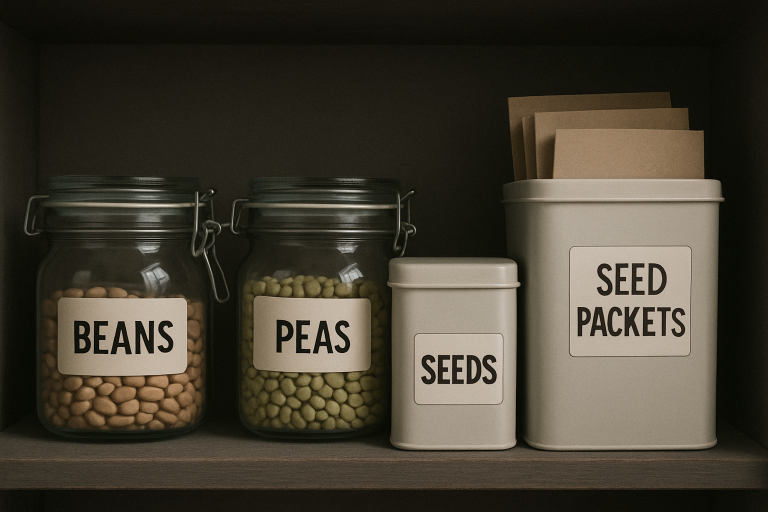
- Label Containers: Always include the strain and date of storage. Permanent markers or printed labels are best.
- Inventory Management: Rotate your supply—always use the oldest first (“first-in, first-out”). This guards against inadvertently using less viable seeds.
Final Thoughts
Protecting your feminized seeds from environmental stress and improper handling is key to preserving their genetic potential. Stability in temperature and humidity, combined with darkness and an airtight seal, enables the longest possible window for successful germination. Regular monitoring and organized labeling ensure you always know the quality of your collection and are ready to plant the strongest possible crop, season after season.
- Residential Driveway Planning Guide: Materials, Drainage, Installation, and Maintenance - August 20, 2026
- A Flexible Zion National Park Itinerary for Hikers, Families, and Scenic Road Trippers - August 20, 2026
- Persistent Odors Need Source-Level Treatment: FIRESTONE Restoration Provides Professional Ottawa Sanitizing Services - August 20, 2026


