Water-Wise Lawns in Bowling Green, OH: A Seasonal Guide to Healthier Yards With Less Waste
Key Takeaways
- Adjust watering based on weather, soil, plant needs, and sun exposure.
- Divide irrigation into zones for different landscape needs.
- Inspect and maintain sprinkler heads, valves, and controllers regularly.
- Use mulch, healthy soil, and appropriate plants to improve water efficiency.
- Consider smart irrigation features to reduce unnecessary watering.
- Adjust schedules seasonally and winterize systems before freezing weather sets in.
- Address runoff, leaks, and uneven coverage promptly.
A Bowling Green lawn can look effortlessly green in spring, then develop dry spots after a stretch of hot, sunny summer weather. That shift is normal. Rainfall, sun exposure, soil condition, slope, grass type, and the age of trees or plantings all affect how quickly a yard uses water. The goal is not to keep every blade of grass bright green every day. It is to build healthy roots, protect plantings, and maintain an outdoor space people can enjoy.
For homeowners considering a customized system, irrigation installation and design Bowling Green OH is available through Simmons Landscape & Irrigation. The company designs and installs automated residential irrigation systems based on an on-site assessment of a property's watering needs, with service for Bowling Green, the greater Toledo area, and Northwest Ohio. Its long-standing focus on landscape, plant, and irrigation work makes it a useful local option when lawn coverage, planting beds, and system controls need to work together.
Start With the Yard, Not the Timer
A fixed schedule can be convenient, but it can also keep sprinklers running after a rainy week or when cooler weather has slowed plant growth. Before changing a controller, walk the property. Look for wilted plants, dry soil below the surface, standing water, and runoff near sidewalks, driveways, or sloped areas. A lawn's color alone is not always a reliable measure of its moisture needs.
A practical starting point is about one inch of water per week, including rainfall, although actual needs vary by weather, soil, and landscape type. Homeowners can use EPA watering guidance for landscapes to check irrigation timing, runoff, sprinkler placement, and controller settings. If water begins pooling before it can soak in, reduce the length of each watering cycle and allow a break before running the next one.
Build a Seasonal Watering Plan
Spring
Inspect sprinkler heads, valves, and visible connections before regular use. Repair leaks or damaged heads, clear obstructions, and avoid adding irrigation when spring rain is already supplying sufficient moisture.
Early and Mid-Summer
Water deeply when the lawn and plants need it rather than applying small amounts every day. Sunny turf, pavement edges, and newly planted areas may dry more quickly than shaded locations. During heat, raise the mowing height instead of cutting grass very short, since longer grass can help shade the soil and support deeper roots.
Fall and Winter Preparation
As temperatures cool, reassess run times. A schedule that made sense in June can overwater in September. Newly seeded turf and recent plantings may need closer attention, while established areas may need less supplemental water. Before freezing weather arrives, shut down and winterize irrigation equipment to help protect pipes, valves, and above-ground components.
Put Water Where Plants Can Use It
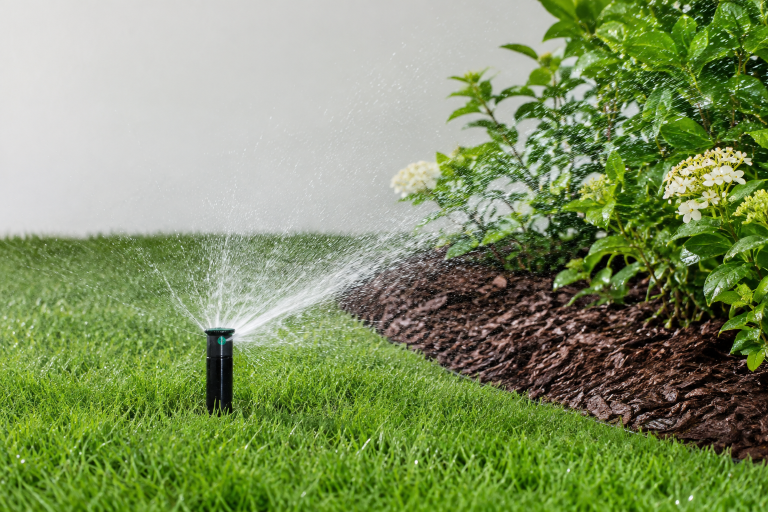
One watering schedule rarely fits an entire property. Divide the landscape into zones based on plant type, sun or shade, soil conditions, and irrigation method. Turf can be managed separately from flower beds, shrubs, vegetable gardens, and shaded spaces. Spray heads are commonly used for lawns, while drip or microirrigation systems can deliver water more slowly and directly to the roots of garden plants, trees, and shrubs.
Keep sprinkler spray on the landscape, not on fencing, siding, driveways, or sidewalks. Grouping plants with similar needs also makes it easier to avoid overwatering. This approach supports Bowling Green's interest in practical turf areas, mulch, appropriate plant selection, and efficient water use, all of which are part of the city's managed natural landscape guidance.
Make the Yard More Resilient
Watering works best when the soil can absorb and hold moisture. Compacted ground often causes water to puddle or run off rather than move into the root zone. Aeration can be helpful in high-traffic turf where the soil has become hard. In planting beds, a layer of mulch can reduce evaporation and moderate soil temperatures while keeping mulch away from direct contact with plant stems and tree trunks.
Keep durable turf where children, pets, and guests regularly use the yard. In less-used corners, consider lower-water plantings or intentionally designed native plant areas that fit the site. A balanced landscape can preserve open lawn space without making turf the only option.
Smart Irrigation Features Worth Considering
- Rain sensors can pause scheduled watering after rainfall.
- Weather-based or soil-moisture controllers can adjust watering based on conditions.
- Flow sensors may help identify unusual water use that could signal a leak.
- Pressure-regulated sprinkler bodies can help limit misting and uneven application.
- Separate zone controls allow lawns, gardens, and planting beds to receive different schedules.
The EPA states that replacing a clock-based controller with a WaterSense-labeled irrigation controller can save an average home up to 15,000 gallons annually. Actual results depend on the landscape, weather, equipment, and system programming.
When Professional Design Makes Sense
Professional planning can be especially helpful for properties with slopes, drainage concerns, multiple elevations, mixed planting types, or plans for future beds and trees. Before installing or reworking a system, ask these questions:
- Which areas truly need regular irrigation, and which can rely mostly on rainfall?
- Are turf, shrubs, gardens, and shaded areas separated into appropriate zones?
- Where does water currently pool or run off?
- Can the controller be adjusted for weather and seasonal changes?
- Who will inspect the system and handle winterization?
- Will the layout accommodate future landscape changes?
Common Watering Mistakes to Avoid
- Running sprinklers daily without checking soil moisture or recent rainfall.
- Watering during the hottest part of the afternoon.
- Using the same schedule for sunny and shaded areas.
- Ignoring leaking valves, broken heads, or clogged nozzles.
- Leaving a timer unchanged as summer turns to fall.
- Allowing sprinkler spray to reach pavement and other hard surfaces.
A Healthier Yard Starts With Better Decisions
A water-wise Bowling Green landscape does not need to look sparse or neglected. By matching watering to actual conditions, maintaining healthy soil, choosing plants thoughtfully, and keeping irrigation equipment in good condition, homeowners can support attractive and useful yards while reducing unnecessary waste.
- How To Compare Honolulu Neighborhoods by Commute, Cost, and Daily Life - October 28, 2026
- How to Make a Clinton Walk-In Urgent Care Request - October 28, 2026
- Water-Wise Lawns in Bowling Green, OH: A Seasonal Guide to Healthier Yards With Less Waste - October 28, 2026