
Smart Troubleshooting Tips for Common Well Pump Issues
Well pumps are vital to the operation of a home water system, which would not be possible without making use of clean water on a daily basis. But as with most things, they can develop problems over time, and often show some early signs of trouble. It is important to recognize these signs of well pump problems to be prepared to prevent an expensive repair or your life being upended. This guide will discuss the specific signs of well pump problems, and preventative maintenance, and what you can do to stay on top of a well pump's health and life expectancy.
Recognizing Signs of Well Pump Trouble
Water supply changes, like murky or cloudy tap water, air sputtering or reduced water pressure can mean something is wrong with your well pump. Problems can begin with small signs. If you ignore them, you could end up with a total pump failure, leaving you without water when you need water the most. Dealing with these small signs early is easier than dealing with large problems later. Talking to a professional is smart approach for reliable and professional well pump repair. Early detection of well pump problems can help prevent costly repairs and maintain water quality that is safe to use in your home, helping you save time and money.
Routine Checks for Optimal Performance
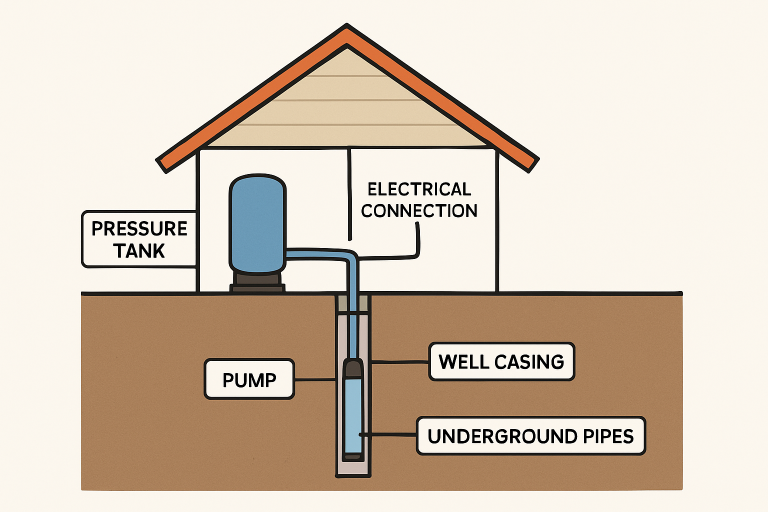
Frequent inspections are essential to protect yourself against unexpected well pump problems. Remember to verify the well cap, the well and surrounding area, the pressure tank and piping components for rust, leaks, and damaged electrical components. You might find a well-maintenance log helpful because you might be able to find patterns in recurring problems and make repairs before they become catastrophic. Performing regular inspections can save you time, money, and stress. Common problems are usually attributed to a small thing like debris, leaks, and loose fittings. Inspect regularly or create an inspection plan and you will learn to observe unusual changes.
Understanding Water Pressure Fluctuations
A sudden drop or burst of water pressure is one of the most obvious signs of some disturbance with the well pump minus the pump making any strange noises or vibrations. Water pressures can increase or decrease due to a malfunction of the pressure switch, a clogged sediment filter, or malfunction further down the pipe. It is potentially the easiest to fix to clean or replace the pressure switch depending on exactly how to replace the switch if it occurs repeatedly don't ignore it, problems that recur might be showing something hidden below is, so you should consider a systematic way to diagnosis. Putting off repairing the problem will only turn into more problematic things and larger financial implications.
Dealing with Electrical and Power Issues
Electrical supply interruptions are one of the most common reasons for a well pump to fail. This includes common problems such as tripped circuit breakers, broken control boxes, or blown fuses. Occasionally, electrical surges in the home or even a recent storm can cause the entire system to malfunction. Always make safety a priority—unplug or disconnect the power before working on anything electrical. If unplugging the system resets it but does not return the pump to normal operation, or if you hear a consistent humming sound when using the pump, it’s best to call in a professional for help troubleshooting the problem, and for your safety.
Unusual Noises and What They Indicate
Uncommon sounds including grinding, banging, or any kind of constant vibration often indicate that something is going wrong with your well pump system. These sounds may be due to worn bearings, mechanical issues, or debris lodged in the impeller. Not taking action when you hear unusual noises can result in severe damage to the pump or motor. Unusual noise is one of the best indicators that a pump’s internal parts are beginning to fail.
When DIY Solutions are Safe – and When to Call for Help
Some small well pump problems, like cleaning sediment filters or changing a pressure gauge, can usually be completed properly and safely using simple tools. Checking for tripped circuit breakers or resetting the pressure switch is doable for most homeowners. However, more advanced repairs, especially those that include submersible pumps, long-term electrical problems, or an interruption in your water supply, require a professional. Attempting repairs no matter how basic or advanced, without proper training and tools can lead to injury and damage to your water system. When in doubt, contact a certified well technician for advanced problems or when protecting your plumbing system.
Preventive Measures for Long-Term Health
- Schedule an annual inspection by a licensed well technician to flush the germs, gunk, and debris from your well, and to identify/fix potential problems early.
- You should be testing the quality of your water once per year, so that you are aware of any changes, as well as possible contaminants that could enter the system.
- Keep the well and the area around the wellhead clean, with no plants, no leftover garbage, and no household chemicals that could leach into the well.
- Have an inventory of well maintenance records, and have these documents due to date readily available to refer to if there are repeat problems. Keep it current so there is a continuous history.
With good preventative maintenance programs, well pumps can effectively operate for well over a decade. If you are proactive, but in keeping with a word of caution, you can reduce the chance of costly breakdowns and unexpected service interruptions.
Further Resources and Support
Throughout your well pump ownership experience, you will directly utilize educational information to improve your reading area and ultimately your well. The U.S. EPA private wells section has significant technical written content on maintaining a well, testing your water, and preventing contamination or damage to your well system. Considering reading this peer-reviewed article on pump performance whose purpose is to provide some additional technical details on the earliest warning signs you could experience and the signs of mechanical failure. Knowing the troubleshooting tips, routine care habits, and some available resources, will make the management of your well pump easier and not such a stressful experience, while providing a steady, safe supply of water to your home.
Summary
Staying abreast of early warning signs, regularly looking for issues, and seeking professional assistance when necessary are the best ways to maintain your water supply. Pretty much any pump that is regularly cared for should produce a reliable water supply and avoid expensive repairs/loss of income due to delays in diagnosis. Basic maintenance and care, and doing a little research will prolong the life of your pump and ensure your water system is always in working order.
- Residential Driveway Planning Guide: Materials, Drainage, Installation, and Maintenance - August 20, 2026
- A Flexible Zion National Park Itinerary for Hikers, Families, and Scenic Road Trippers - August 20, 2026
- Persistent Odors Need Source-Level Treatment: FIRESTONE Restoration Provides Professional Ottawa Sanitizing Services - August 20, 2026


