How to Support a Loved One in Recovery in Massachusetts: Strategies for Families and Friends
Key Takeaways
- Active listening and open communication are vital.
- Creating a supportive, substance-free environment aids recovery.
- Patience and understanding are essential, as recovery is a lifelong process.
- Self-care for supporters is necessary to maintain effective assistance.
Table of Contents
- Understanding Recovery as a Journey
- Effective Communication Techniques
- Creating a Supportive Environment
- Encouraging Healthy Lifestyle Choices
- Being Patient and Managing Expectations
- Avoiding Enabling Behaviors
- Taking Care of Yourself
- Seeking Professional Help When Needed
Supporting a loved one through addiction recovery in Massachusetts involves unique opportunities and challenges, shaped by local communities, resources, and the region's strong commitment to health care. As someone close to a person in recovery, you play a tremendous role in their ability to stay on the path to sobriety. Accessing specialized programs such as Massachusetts drug treatment can provide professional care, but your daily support remains invaluable. Whether your loved one is just beginning their journey or working to sustain long-term wellness, thoughtful, informed actions can make a lasting difference.
Massachusetts offers a robust network of public and private recovery resources, not only in urban centers like Boston and Worcester but also in smaller towns and rural communities. Understanding how to be supportive, while also caring for yourself, can help both you and your loved one continue to move forward, even amid setbacks. By incorporating local support systems and responding to the rhythms of life in Massachusetts, you can foster a strong foundation for recovery that acknowledges both individual and community needs.
Understanding Recovery as a Journey
Recovery from substance use disorder is not a destination; it is a lifelong journey marked by progress and setbacks. In Massachusetts, individuals in recovery may participate in a variety of programs that span detoxification, intensive therapy, and long-term support. Recognizing that recovery moves at a unique pace for each person is crucial for families and friends. The presence of strong recovery communities in places such as Boston, Worcester, and throughout the Cape and Islands helps provide local resources that complement your personal support. Even with these resources, setbacks can and do happen; these should be viewed as opportunities for learning and growth rather than permanent failures.
Effective Communication Techniques
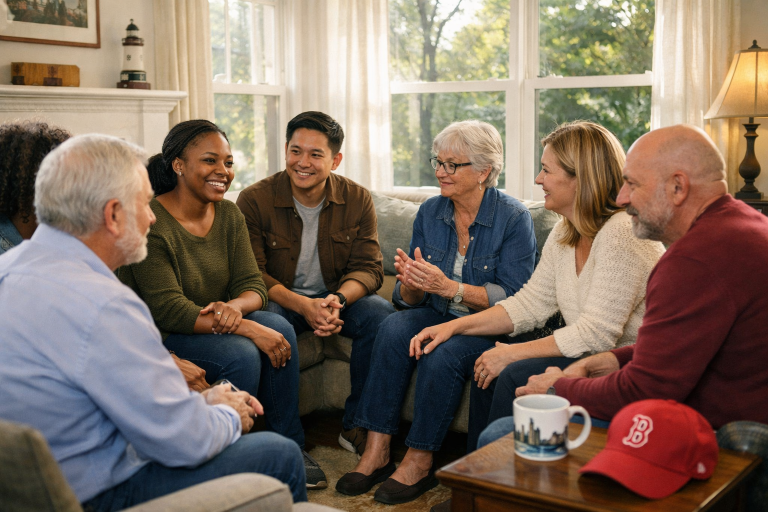
Open communication is the foundation of support for anyone in recovery. In Massachusetts's close-knit communities, words and actions carry weight. Practicing active listening means giving your loved one space to share their feelings without judgment or interruption. Empathetic statements such as, “I care about what you are going through,” can demonstrate genuine support and encouragement. Avoid lecturing or demanding change; listen first and speak with compassion.
Creating a Supportive Environment
Massachusetts's variety of living arrangements, from city apartments to suburban homes and rural spaces, all share one thing: the ability to create environments that minimize temptation and enhance well-being. Remove triggers such as alcohol or medications not prescribed to your loved one from common areas. Encourage participation in community events or local support groups, which are plentiful throughout the state. Sharing in healthy activities, like walking the Boston Harborwalk, hiking in Western Massachusetts, or joining fitness classes, can help replace old routines with positive new habits.
Encouraging Healthy Lifestyle Choices
Recovery is more than abstaining from substances; it is about building a life that supports overall health. Encourage your loved one to adopt a nutritious diet, regular exercise, and a consistent sleep schedule. Organizations such as the Massachusetts Department of Public Health offer local resources and support for lifestyle changes. Attending support group meetings, whether in person or virtually, helps foster a sense of accountability and community. These actions can improve both mental and physical health, supporting sustained recovery.
Being Patient and Managing Expectations
Massachusetts residents know that recovery often takes time, much like getting through a long winter. Progress can be slow and nonlinear, and relapses are possible. Maintaining patience and celebrating small victories, such as one week, one month, or one year of sobriety, can motivate your loved one. It is important to set realistic expectations for yourself and for your friend or family member. Encourage persistence, and let your loved one know that setbacks do not erase progress.
Avoiding Enabling Behaviors
The line between helping and enabling can be difficult to navigate, especially when you want to ease your loved one's struggles. In Massachusetts, where communities are close and helping each other is a common value, it is essential to ensure that support does not cross into enabling. Avoid covering up mistakes or providing financial aid that could be misused. Establish clear boundaries and promote accountability instead. True support means fostering independence and responsibility.
Taking Care of Yourself
Caring for someone in recovery can be emotionally draining. Massachusetts offers many local support groups for families and friends of those struggling with addiction, such as Al-Anon. Engaging in self-care is imperative. Explore the parks, coastline, or cultural events Massachusetts is known for, and lean on your personal support network. Taking breaks and setting aside time for yourself ensures you have the energy and resilience to provide meaningful support for the long haul.
Seeking Professional Help When Needed
There are times when professional assistance is necessary, no matter how committed you are as a supporter. Massachusetts is home to top-tier treatment centers and mental health professionals who can offer therapies and interventions beyond what friends and family can provide. If your loved one is struggling to progress or is experiencing acute symptoms, encourage them to seek expert help. Tap into the statewide network of addiction care and mental health services to ensure your loved one receives the best chance at lasting recovery.
Supporting a loved one in recoveryin Massachusetts is as much about drawing on community and regional strength as it is about individual relationships. By staying compassionate, informed, and resilient, you help provide the stable footing your loved one needs for a healthier, substance-free life.
- Residential Driveway Planning Guide: Materials, Drainage, Installation, and Maintenance - August 20, 2026
- A Flexible Zion National Park Itinerary for Hikers, Families, and Scenic Road Trippers - August 20, 2026
- Persistent Odors Need Source-Level Treatment: FIRESTONE Restoration Provides Professional Ottawa Sanitizing Services - August 20, 2026