
Pest Prevention for Fairfax, VA: Tips for a Safe and Healthy Home
Key Takeaways
- Recognizing common pests in Fairfax is essential for effective prevention.
- Simple, consistent actions can significantly reduce pest risks in your home.
- Consult a professional pest control service when DIY efforts do not resolve the problem.
Maintaining a pest-free home in Fairfax, VA, requires a proactive approach grounded in familiarity with local pest threats and customized prevention strategies. Residents in the area know that pests can be a common challenge year-round, but with the right knowledge and resources, keeping your property protected is well within reach. If you are seeking expertise or immediate action, partnering with an exterminator in Fairfax, VA ensures professional support in tackling pest problems effectively.
The humid summers and diverse landscape in Fairfax create a haven for a variety of pests, both indoors and outdoors. Understanding which pests are likely to invade your property or pose health risks is the first step toward effective prevention, while a combination of everyday habits and targeted strategies keeps these nuisances at bay.
Common Household Pests in Fairfax
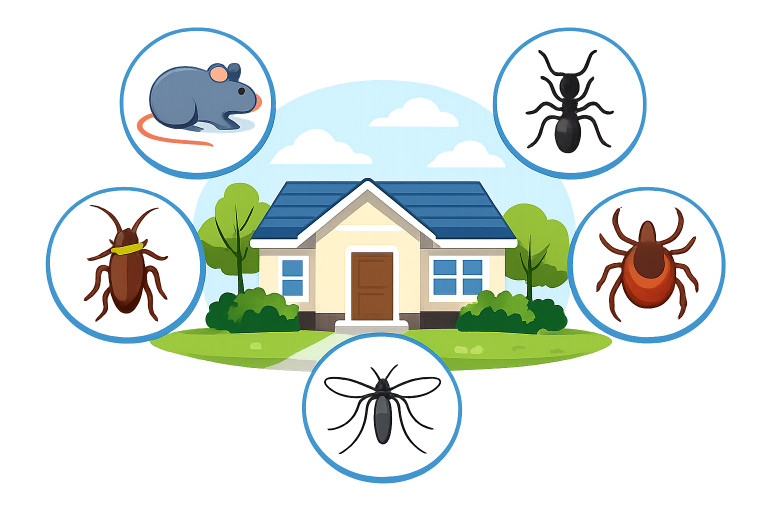
Residents of Fairfax routinely encounter several types of pests whose habits make them regular intruders:
- Rodents: House mice and Norway rats often seek shelter indoors, especially during cooler weather. These pests can cause structural damage and contaminate food supplies.
- Ants: Whether it is odorous house ants trailing in from the yard or carpenter ants nesting in wood, these persistent insects are a common sight, particularly in the spring and summer.
- Cockroaches: Drawn to moisture and food residue, cockroaches can quickly become a health hazard, spreading bacteria and allergens throughout the home.
- Mosquitoes: Mosquitoes can make any summer evening outdoors unpleasant and pose legitimate health concerns due to illnesses such as West Nile virus.
- Ticks: Active in grassy and wooded spaces, ticks are notorious for spreading Lyme disease and other infections to both humans and pets.
Staying ahead of these invaders relies on vigilance and a keen eye for behaviors that signal the start of an infestation.
Effective Prevention Techniques
A systematic approach to pest prevention uses a combination of physical, behavioral, and maintenance-focused methods:
Seal Entry Points
Carefully inspect exterior walls, window sills, and areas where utility lines and pipes enter your house. Mice can squeeze through spaces as small as 1/4 inch, so seal all cracks, gaps, and holes with durable materials like steel wool or caulk to stop pest entry before it starts.
Maintain Cleanliness
Pests are less attracted to clean homes. Store all food, including pet food, in tightly sealed containers and promptly wipe up crumbs and spills. Regular vacuuming and cleaning beneath appliances removes potential hiding places and food sources for insects.
It is also a good practice to pay special attention to kitchen and bathroom areas, as these rooms provide the moisture and warmth many pests crave. Keeping drains free of buildup can also discourage pests such as cockroaches, which are attracted to decaying organic matter. Eliminating clutter, such as cardboard boxes and stacks of newspapers, helps remove hiding spots that invite unwanted visitors into your living space.
Proper Waste Management
Secure your garbage in lidded, animal-resistant bins and take it out regularly. Garbage, compost, and recycling must be kept away from living spaces to limit odors and easy access for rodents or cockroaches.
Yard Maintenance
By keeping your lawn trimmed and your landscaping well-maintained, you reduce the shelter pests have to hide in. Cut vegetation back from your home’s foundation, rake leaves regularly, and store woodpiles at least 20 feet from the house.
Pools of standing water, such as birdbaths, clogged gutters, or unused planters, should be emptied and cleaned frequently to prevent mosquitoes from breeding nearby. In addition, consider removing excessive mulch and keeping ornamental plants pruned, as thick organic material near the foundation can harbor ants, termites, or earwigs. Installing gravel or a rock barrier along the base of your home is another helpful way to discourage pest activity and improve drainage.
Use Screens and Door Sweeps
Install and repair window screens and place door sweeps on all exterior doors to block out crawling insects and rodents. These affordable upgrades can make a significant difference in keeping your living spaces secure.
Check for torn window screens or gaps under doors at least twice a year, as these access points are often overlooked. Adding weatherstripping to doors and windows not only keeps pests out but can also improve your home’s energy efficiency year-round.
Health Implications of Pest Infestations
Pest presence in the home often extends beyond visible annoyances. Allergens carried by cockroaches can trigger asthma and allergies in sensitive individuals, especially children. Rodents can spread salmonella and hantavirus, while mosquitoes and ticks can transmit serious vector-borne diseases. The Environmental Protection Agency (EPA) outlines the risks and safety considerations related to indoor pest infestations and chemical treatments.
Additionally, certain pests can inflict painful bites or stings. Spider infestations, while usually harmless, can sometimes involve medically significant species such as the black widow or brown recluse, and stinging insects like wasps or yellow jackets can pose a hazard when nests are built near entries or in frequently used spaces. Promptly addressing infestations protects not just your property but your family’s comfort and well-being.
When to Seek Professional Help
If regular preventive measures and home remedies do not eliminate a persistent pest problem, it is best to call a licensed pest control provider. Professionals have the experience, tools, and access to products that can quickly address infestations and ensure the safety of your family and pets. They are especially valuable for severe infestations or for pests that pose significant health risks.
Another advantage of hiring a pest management expert is their ability to identify root causes of infestations and provide recommendations for long-term prevention. Scheduling annual inspections with a reputable provider can catch problems before they escalate, saving homeowners from costly repairs and long-term stress.
Conclusion
Fairfax homeowners who understand which pests are most common, consistently apply preventive measures, and know when to call in expert help are much more likely to enjoy a comfortable, healthy home year-round. By keeping your property clean, sealed, and well-maintained, you take proactive steps toward a pest-free environment and greater peace of mind.
A little extra effort in home maintenance and periodic professional support can make a lasting difference in your home’s pest protection. Embracing a year-round strategy ensures that, no matter the season, you and your family can enjoy the comfort of your home without worrying about uninvited guests.
- How To Compare Honolulu Neighborhoods by Commute, Cost, and Daily Life - October 28, 2026
- How to Make a Clinton Walk-In Urgent Care Request - October 28, 2026
- Water-Wise Lawns in Bowling Green, OH: A Seasonal Guide to Healthier Yards With Less Waste - October 28, 2026


