
How Sediment Build-Up Affects Water Heater Efficiency
Key Takeaways:
- Sediment build-up is a common problem that affects water heater performance and can shorten its lifespan.
- Regular flushing and preventive measures enhance energy efficiency and prevent costly breakdowns.
- Professional maintenance is crucial for reliable hot water and lower energy bills.
Table of Contents:
- What Causes Sediment Build-Up?
- Signs of Sediment Accumulation
- Impact on Energy Efficiency
- Potential Damage to the Water Heater
- Preventive Measures
- Professional Maintenance
Efficient hot water in your home depends on a clean, well-maintained water heater. Sediment accumulation—triggered by minerals in your water—can quietly affect performance and efficiency and even lead to costly repairs. Taking proactive steps, such as scheduling professional water heater maintenance, can dramatically extend your system's life and save you money in the long run.
By understanding what causes sediment build-up, how it shows up, and what you can do to prevent it, you'll keep your water heater working efficiently for years.
What Causes Sediment Build-Up?
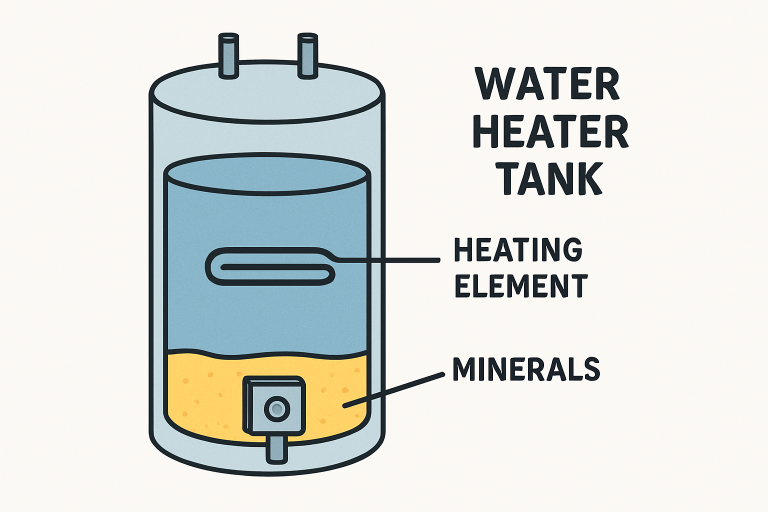
Sediment build-up begins when water is heated inside the tank. Most tap water contains dissolved minerals, primarily calcium and magnesium. When water in the heater gets hot, these minerals precipitate out and settle at the bottom, forming a layer of sediment. The process can be slow, but those living in areas with hard water will notice sediment accumulation far more quickly. Over time, this layer gets thicker, affecting various aspects of heater operation and efficiency.
Signs of Sediment Accumulation
Recognizing the early warning signs of sediment can help prevent larger problems. Common symptoms include:
- Unusual Noises: Popping, crackling, or rumbling sounds during the heating cycle signal bubbles of steam forced through a thick sediment layer.
- Inconsistent Water Temperature: You might notice the hot water runs out sooner or fluctuates unexpectedly as sediment insulates the heating element from the water.
- Discolored Water: Hot water that appears rusty, brown, or cloudy is a telltale sign that minerals and debris are being disturbed and entering your plumbing system.
- Reduced Water Pressure: Sediment can clog valves and narrow pipes, reducing water flow from faucets and showers.
Impact on Energy Efficiency
Even a thin layer of sediment drastically affects heater efficiency. The minerals act as an insulating barrier, forcing the heating element or burner to work much harder to heat your water. This means your water heater uses more fuel or electricity to get the job done, and you’ll see a spike in your energy bills. According to the U.S. Department of Energy, sediment buildup is one of the top causes of declining water heater performance and rising utility costs. Regular flushing and other water heater maintenance tips can help prevent this buildup and keep your system running efficiently. In addition, poor efficiency means more frequent heating cycles, adding wear and shortening the vital internal components' life.
Potential Damage to the Water Heater
Over time, the consequences of unintended sediment build-up extend beyond efficiency. The layer of minerals causes the bottom of the tank to overheat, which accelerates corrosion and can cause the glass lining to crack or flake. This internal damage soon leads to leaks or even full system failure. The extra heat can warp the steel tank or damage the burner assembly in gas-powered water heaters. Electric heaters may suffer from failed elements and tripped thermostats.
In severe cases, excess pressure can build up, risking dangerous ruptures. Annual check-ups and tank flushing are far less expensive than a tank replacement or emergency water damage repairs.
Preventive Measures
Regular Flushing
The most effective way to destress your water heater is to flush it regularly, ideally once a year. This involves draining the tank to remove settled sediment before it can build up and cause harm. More frequent flushes may be needed if you live in an area with very hard water.
Install a Water Softener
A whole-home water softener or a point-of-entry softening system greatly reduces mineral content in hard water regions. These devices use ion exchange to capture calcium and magnesium, helping to keep your appliance and plumbing lines clear.
Monitor Water Quality
Regularly observe your hot water for signs of sediment: noises, cloudy water, or sluggish flow are red flags. Addressing these early with basic maintenance or professional servicing can prevent larger problems and keep your hot water running smoothly.
Professional Maintenance
While many homeowners can perform a basic flush or check water quality, the longevity and reliability of your water heater benefit from expert attention. Annual inspections by a trained technician ensure that your system runs efficiently, is adjusted properly, and is free from brewing issues. Technicians can spot early corrosion, test the pressure relief valve, inspect heating elements, and recommend upgrades specific to local water conditions.
Prioritizing routine maintenance and water treatment is the best way to protect your water heater investment, maintain reliable hot water, and keep your monthly costs down.
- How To Compare Honolulu Neighborhoods by Commute, Cost, and Daily Life - October 28, 2026
- How to Make a Clinton Walk-In Urgent Care Request - October 28, 2026
- Water-Wise Lawns in Bowling Green, OH: A Seasonal Guide to Healthier Yards With Less Waste - October 28, 2026


