
Why Heat Pump Water Heaters Are the Future of Efficient Home Hot Water
Key Takeaways
- HPWHs can be two to three times more energy-efficient than traditional electric water heaters.
- They utilize ambient air to heat water, leading to substantial reductions in energy bills.
- Modern HPWHs come equipped with smart features for enhanced performance and user convenience.
Table of Contents
- How Heat Pump Water Heaters Work
- Energy Efficiency and Cost Savings
- Smart Features and Technological Advancements
- Installation Considerations
- Environmental Impact
- Incentives and Rebates
- Choosing the Right Heat Pump Water Heater
- Conclusion
As households look for smarter, more cost-effective ways to supply hot water, heat pump water heatershave gained widespread attention. These advanced appliances not only help reduce monthly utility expenses but also offer a more sustainable alternative to conventional electric or gas models. The rise in adoption is largely due to increasing awareness of energy conservation and the desire for long-term savings on energy bills.
Heat pump water heaters (HPWHs) work by extracting heat from the surrounding air and transferring it to the water in their tanks. This modern approach to heating water allows homeowners to enjoy superior efficiency and an abundant hot water supply throughout the year. With the latest technological advancements, it’s easier than ever to manage and monitor water usage while increasing overall comfort levels at home.
In this guide, you'll discover how HPWHs operate, why they're so efficient, and what to consider before installing one. You’ll also learn about new smart features, environmental advantages, incentives, and tips for choosing the right model for your needs. HPWH technology is transforming the way we think about water heating and positioning itself as the clear choice for the future of home comfort.
Major publications such as Consumer Reports point to HPWHs’ effectiveness and growing popularity among eco-conscious homeowners nationwide, thanks to their significant potential for energy savings and government support.
How Heat Pump Water Heaters Work
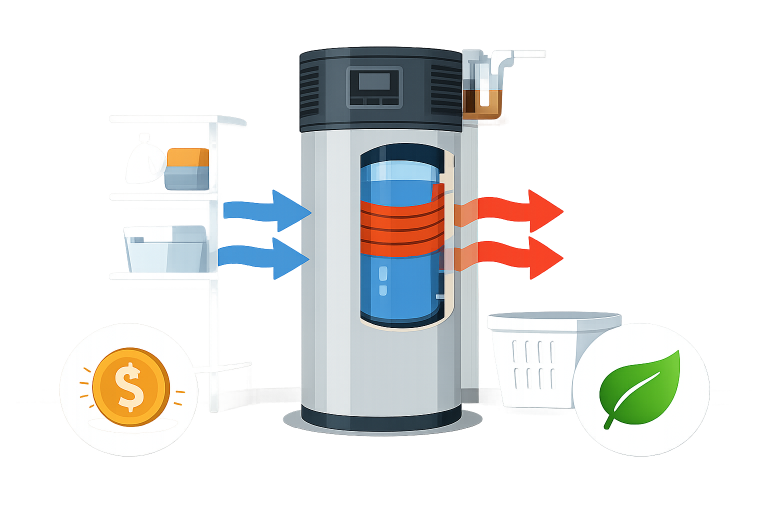
Heat pump water heaters operate on a principle similar to refrigerators, but in reverse. Instead of producing heat directly, an HPWH pulls warmth from the air using a compressor and condenser. This collected heat is then transferred to a water storage tank. The design allows for effective operation in many climate conditions, as even cooler air contains enough energy for the heat pump process. By drawing energy from the air rather than generating it through electrical resistance or combustion, HPWHs maximize every unit of electricity consumed for lower utility costs and consistent hot water production.
Energy Efficiency and Cost Savings
HPWHs are widely recognized for their significant energy efficiency. According to the U.S. Department of Energy, homeowners can expect these units to be two to three times more efficient than traditional electric water heaters. This higher efficiency translates directly into lower monthly utility bills. For example, families switching to an HPWH may save around $600 annually. These savings add up over the lifespan of the appliance, making HPWHs a particularly smart investment.
Smart Features and Technological Advancements
The latest HPWH models feature smart technology that elevates convenience, safety, and efficiency. Some brands offer enhanced heat pump modes, flexible operating settings, and touch-screen displays for easy modification. Units like the GE Profile™ GEOSPRING™ Smart Hybrid and A. O. Smith Signature™ 900 Smart Hybrid combine innovative heat pump designs with Wi-Fi connectivity, leak detection, and remote monitoring through mobile apps. These enhancements allow for customized performance and instant alerts, helping households avoid unexpected outages or water damage. The result is better control over water heating schedules and further reductions in unnecessary energy consumption.
Installation Considerations
Before committing to an HPWH, it is crucial to review your home environment. These units function best in spaces that remain between 40°F and 90°F year-round and require sufficient clearance on all sides for proper airflow. Basements, garages, and utility rooms are common installation spots. Modern 120-volt heat pump water heaters, such as those from Rheem, simplify the process by allowing the use of standard electrical outlets. Homeowners should also consider insulation, ductwork, and noise levels before replacement or upgrade. For homes with limited space or unusual configurations, consulting a qualified technician can help identify the best placement for optimal performance and efficiency.
Environmental Impact
HPWHs provide a meaningful solution for reducing household carbon footprints. According to the U.S. Department of Energy, moving to HPWHs can slash greenhouse gas emissions linked to water heating. Upcoming federal standards aim to raise minimum efficiency for appliances, which could result in annual savings of more than $11 billion for American consumers and a major reduction in nationwide carbon emissions. These advancements play a critical role in supporting broad sustainability goals and help homeowners participate in climate-friendly living without sacrificing comfort or convenience.
Incentives and Rebates
Government programs and utility companies are encouraging HPWH adoption by offering rebates, tax credits, and direct bill savings. Homeowners in areas such as San Francisco are eligible for incentives up to $1,200, which can offset installation costs. Federal tax credits are broadly available as part of efforts to promote high-efficiency appliances, and programs vary by state and municipality. Checking with local energy providers and the U.S. Department of Energy’s rebate database can help find programs relevant to your location.
Choosing the Right Heat Pump Water Heater
Finding the ideal HPWH model depends on factors like household size, daily hot water consumption, climate, and available installation space. Professionals can help you accurately assess your needs and match them with the right capacity and features. Trusted resources from organizations such as the U.S. Department of Energy can provide in-depth guidance for selecting, installing, and maintaining these systems.
Conclusion
Embracing heat pump water heater technology is an actionable way to cut costs, reduce energy use, and lower your home’s environmental impact. With greater efficiency, smart features, and robust incentive programs, HPWHs are setting a new standard for residential water heating. Now is the perfect time to consider upgrading, and by following best practices and professional advice, you can look forward to years of reliable and efficient hot water in your home.
- How To Compare Honolulu Neighborhoods by Commute, Cost, and Daily Life - October 28, 2026
- How to Make a Clinton Walk-In Urgent Care Request - October 28, 2026
- Water-Wise Lawns in Bowling Green, OH: A Seasonal Guide to Healthier Yards With Less Waste - October 28, 2026


