
Stop HVAC Headaches Before They Start: Easy Maintenance Tips for a Healthy System
Table of Contents
- Why HVAC Maintenance is Important
- Regular Filter Replacement
- Checking Thermostat Settings
- Cleaning Coils and Fans
- Inspecting Ductwork
- Other Preventive Measures
- When to Call a Professional
Why HVAC Maintenance is Important
HVAC upkeep guarantees the best performance and durability of heating, ventilation, and air conditioning systems. In Arlington Heights, where locals encounter diverse weather patterns, such as scorching summers and frigid winters, adequately maintained HVAC systems are crucial for preserving indoor comfort and air purity. Routine maintenance improves effectiveness, lowers energy expenses, and averts expensive malfunctions, prolonging the equipment's lifespan. By securing HVAC service in Arlington Heights, individuals can guarantee that their residences and commercial properties stay comfortable and energy-efficient all year round, which helps create a healthier environment and provides peace of mind.
Regular Filter Replacement
Changing your HVAC filters regularly every 1-3 months is essential. This helps prevent dust and pollutants from clogging the filters, which can cause the system to work harder and less efficiently. The accumulation of airborne particles over time reduces the effectiveness of the filters. Clogged filters reduce airflow, increase energy bills, and cause the system to overheat, leading to long-term damage. Investing in high-quality filters can improve indoor air quality, respiratory health, and overall comfort. Therefore, regular filter changes are a simple yet significant step in maintaining your HVAC system's performance and longevity.
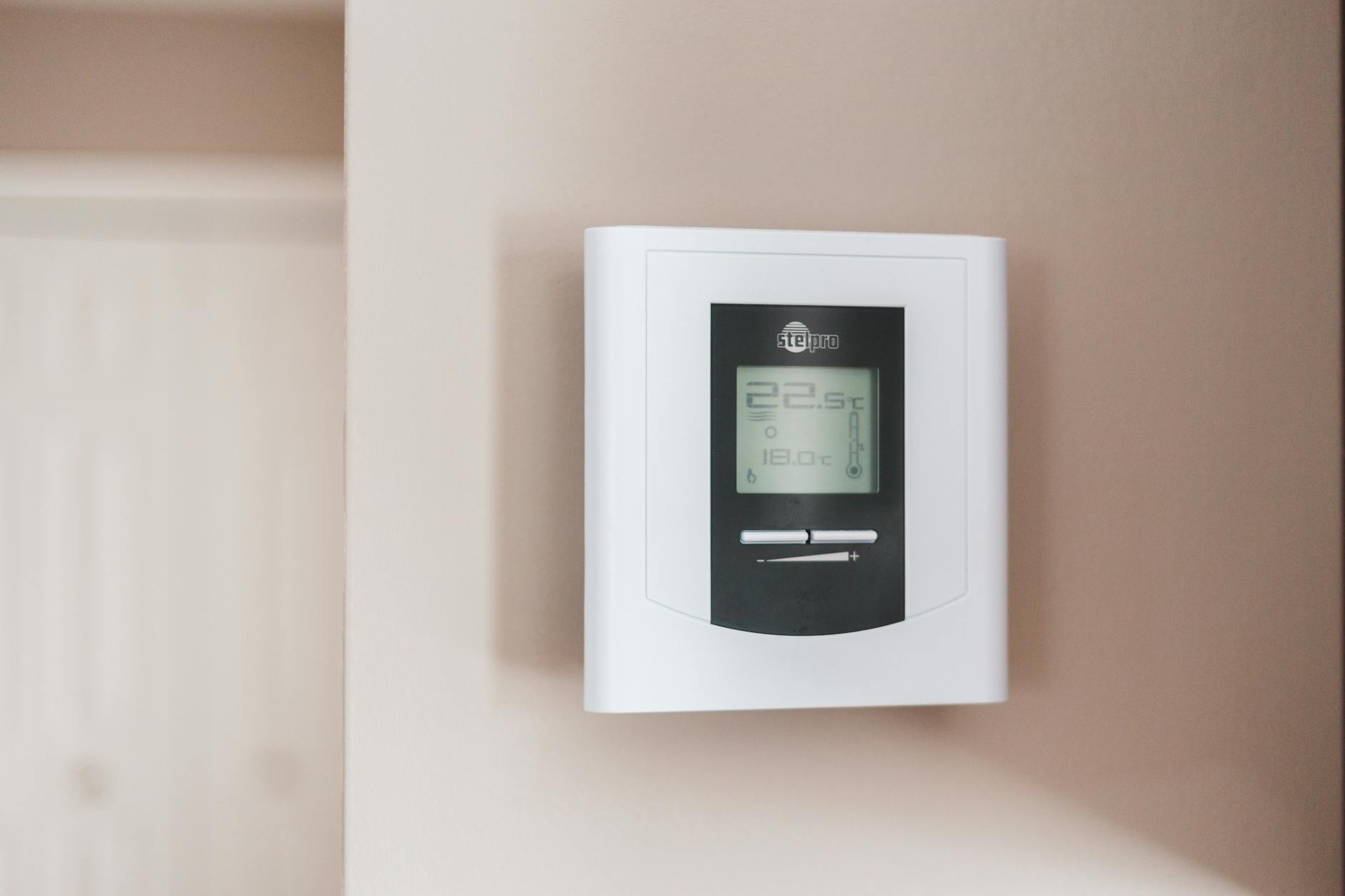
Checking Thermostat Settings
By enabling users to set different temperatures at different times of the day, a programmable thermostat can improve energy efficiency by lessening the workload of the HVAC system while no one is home. This can lead to significant energy savings. A well-calibrated thermostat avoids unnecessary operational cycles, improving comfort and energy efficiency. Incorrect settings can cause the system to turn on and off too frequently, causing component wear and increased energy consumption. Regular checks on thermostat settings and functionality can help catch issues early and ensure optimal system performance. With the help of sophisticated technologies like smartphone app remote control, smart thermostats provide users even more control over the temperature inside their homes.
Cleaning Coils and Fans
Dirty coils and fan blades can significantly reduce the efficiency of your HVAC system. Regular cleaning is essential for them to continue operating at their best. The accumulation of dust and dirt on the coils of the outer and interior units may diminish heat transfer efficiency. This may result in your system having to work harder to heat or cool your house, which may increase wear and tear on it and raise your energy costs.
To clean the coils and fans, turn off the unit's power and use a brush or vacuum to remove dust and debris. This is a simple task that can be done using essential household tools. To prevent damage, ensure you adhere to the cleaning instructions provided by the manufacturer. Regular cleaning not only maintains efficiency but also extends the life of these components. Neglecting this maintenance can lead to corrosion and other damage that may require expensive repairs or replacements.
Inspecting Ductwork
It's essential to have the ductwork in your home checked for leaks and blockages to improve the efficiency of your HVAC system. Leaky ducts can reduce the system's efficiency by up to 20%, causing the conditioned air to escape, increasing energy consumption, and leading to uneven heating or cooling. Properly sealing the ducts can improve efficiency. Signs of duct issues include uneven temperatures, increased dust levels, and higher energy bills. Professional duct inspections can identify hidden leaks and blockages, ensuring efficient air circulation and a comfortable living environment.
Other Preventive Measures
- Regularly check and clean the area around your outdoor unit to prevent debris from obstructing airflow and reducing its efficiency. This will ensure a clean and functional space.
- Regularly check and replenish refrigerant levels to prevent system overwork and breakdowns. Low levels can cause overwork and breakdowns.
- Regularly inspect and tighten electrical connections to prevent system malfunctions and safety hazards. This will guarantee efficient operation and guard against any safety risks.
These additional preventive steps help to avert unexpected failures and prolong the life of your HVAC system. They ensure that all parts are operating as they should, which contributes to its overall efficiency and reliability. Preventive maintenance is a small investment of time and effort that can yield significant cost savings and comfort benefits.
When to Call a Professional
Professional inspections are crucial for maintaining a system's efficiency and performance. Technicians can diagnose and fix unusual noises, poor airflow, or inconsistent temperatures and perform preventive maintenance beyond simple DIY tasks. Certified technicians should address Advanced issues like electrical faults or significant coolant leaks, as attempting to fix them yourself can be dangerous and void the system's warranty. Frequent inspections conducted by professionals can identify minor issues before they escalate into more significant problems, thus saving time and money and reducing stress. In addition, these inspections can offer helpful recommendations for enhancing or upgrading existing systems.
- How To Compare Honolulu Neighborhoods by Commute, Cost, and Daily Life - October 28, 2026
- How to Make a Clinton Walk-In Urgent Care Request - October 28, 2026
- Water-Wise Lawns in Bowling Green, OH: A Seasonal Guide to Healthier Yards With Less Waste - October 28, 2026


