The Surprising Connection Between Farming and Your Daily Life
In the morning, you wake up and pour milk for your coffee, or pack a sandwich for lunch, and you probably never think about where that food comes from. It might be easy not to think of the farmers who provide you with the comforts of everyday life. However, farming is a part of your daily life in far more ways than you would like to admit. Everything from the clothes on your back to the fuel in your vehicle has its origins in agriculture, and it has a far greater impact on your world than you may even realize.
Even leaders and influencers, like Stefan Soloviev, often point out, farming’s connection to our lives stretches far beyond a plate of food. It’s in our homes, our jobs, and even the health of our communities. Let’s take a closer look at how deep those roots really go.
Farming Fuels Your Food Choices
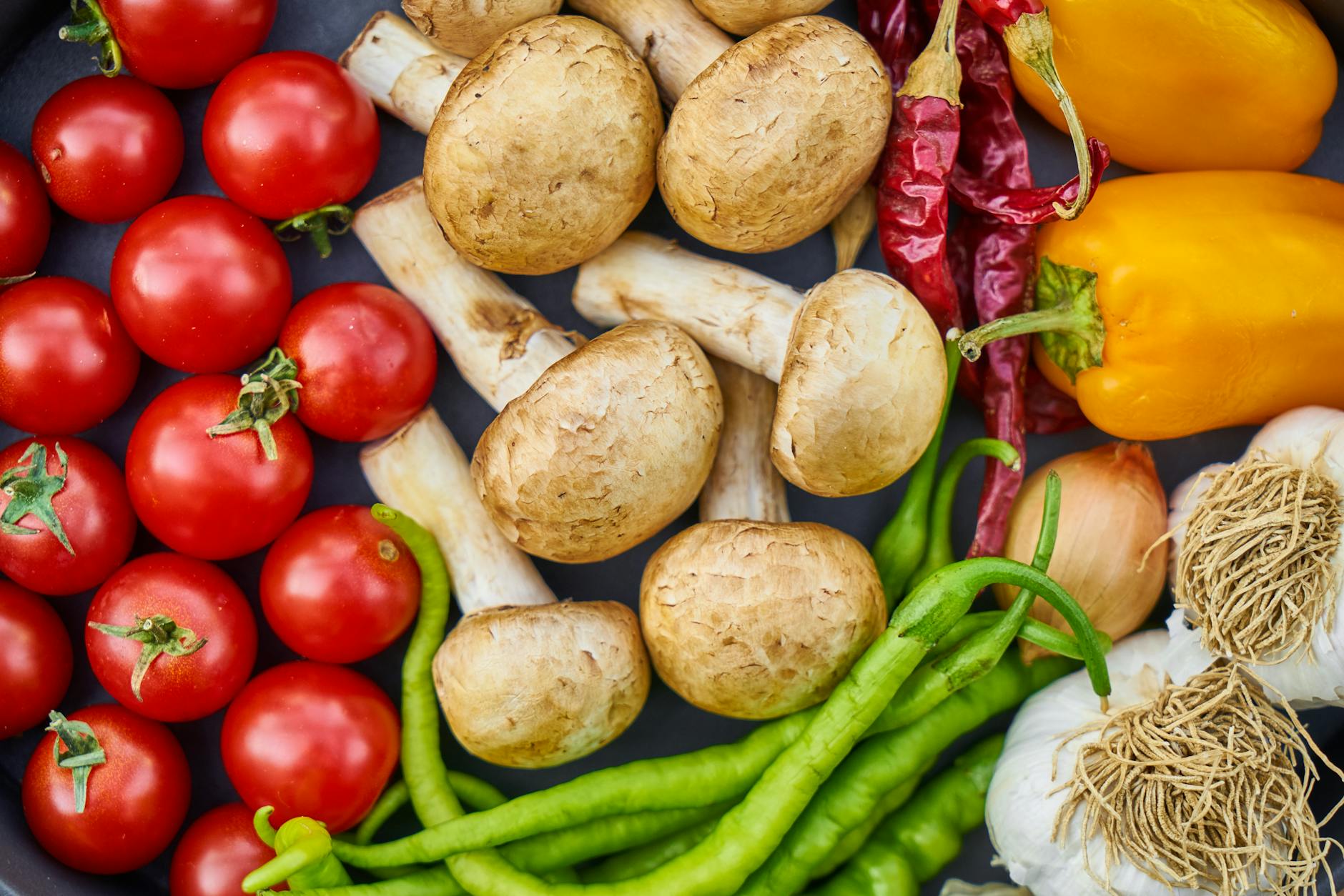
The most obvious example of farming is food. Farmers produce the wheat turned into your bread, the rice that fills dinner bowls, and the heaps of fruits and vegetables arranged on the grocery rack. The cows, pigs, and chickens that produce milk, eggs, and meat for humans are raised by them. Yet farming also does much more than just feed you; it determines availability, seasonality, and price.
There are seasonal crops that determine what will be on the shelves, like pumpkins in the fall, strawberries in the spring, etc. Your focus should be on everything you can acquire that is in peak harvest season. Wheat and corn are grain crops that make their way into pasta, bread, cereal, and worse soft drinks. Meat, dairy, and even leather are impacted by livestock prices. Each bite you take can be traced back to a farm and the same farmers who take care of the land.
Farming Shapes What You Wear
When you open your closet, you will find farming in there, too. That raw material goes on to become the cotton shirts and jeans you wear every day. Woolen sweaters and scarves came from sheep farms, while cattle give leather for shoes, jackets, and pockets. Although those blankets still originated from plants growing in fields, just like every type of linen and hemp that we now embrace in the world of sustainable fashion.
Many of the fabrics we are dependent on would not even exist without farming. Next time you throw on a t-shirt, remember, it started its life in soil, not on a store rack.
Farming Powers the Fuel in Your Tank
You might not expect that the fuel in your car also connects back to farms. Crops like corn and sugarcane are turned into ethanol, which is a renewable fuel blended into gasoline. Soybeans and canola are used to create biodiesel.
That means when you drive to school or work, part of the energy moving your car may have come from a nearby field. Farming does not just feed us; it literally helps us in every field of life.
Farming Keeps Communities Alive
Behind every farm, there is a whole community depending on it. Farmers buy tools and supplies, hire workers, and rely on local shops. In many small towns, farming is the heartbeat of the economy. Farming supports communities in many ways, such as
- Farms give work to people
- Local farmers’ markets connect families
- Farms open their doors to local businesses.
Our well-being depends on the success of our local farms. If we support local farmers, it keeps entire communities strong.
Farming With Technology
Farming is not just barns and tractors anymore. It’s one of the most high-tech industries today.
- Drones check crops for health and spot early problems.
- GPS-guided tractors plant and harvest with incredible precision.
- Data tools help predict the weather and measure soil quality.
This kind of “smart farming” saves water, reduces waste, and makes sure food gets to you faster. Technology is turning farming into a smarter system that works very well for farmers.
Easy Steps to Support Farmers and the Planet
Farming isn’t separate from your daily life. It’s right there on your plate, in your closet, throughout your community, and even in the air you breathe. The best part is you get to influence farming, too.
Here are some simple ways you can play a part:
- Buy local: Farmers’ markets are full of fresh food and support your community.
- Eat what’s in season: Foods in season are fresher and require less transport.
- Support sustainable brands: Shop for clothing and foods that care for farms and the planet.
- Share what you know: Help kids, friends, and neighbors to see how farming connects to everyday life.
Every small choice adds up and shapes the way farming develops in the future.
- Understanding Plumbing Challenges and Solutions in Rogers, Arkansas - July 24, 2026
- Dental Implants in Rapid City, SD: Restoring Smiles for the Community - July 24, 2026
- Innovative Vision Solutions for the Modern Era - July 22, 2026