
How to Plan Safe, Low-Stress Holiday Lighting for Vancouver, British Columbia Homes
Table of Contents
- Start With a Simple Lighting Plan
- Check the Home Before Choosing Lights
- Choose Products Made for Outdoor Use
- Build a Safer Outdoor Power Plan
- Create a Weather-Smart Design
- Install Carefully in Rainy Conditions
- Know When to Skip DIY Installation
- Temporary vs. Permanent Lighting
- Keep the Display Safe All Season
- Quick Vancouver Holiday Lighting Checklist
Holiday lights can make a Vancouver home feel welcoming during the darkest part of the year, but the region's wet winter weather makes planning especially important. A thoughtful setup helps prevent water-exposed connections, damaged cords, unstable ladder work, and the last-minute scramble that often comes with decorating after rain has already arrived.
For homes with steep rooflines, difficult access, or plans for app-controlled permanent lighting, a Vancouver Christmas lights installation team can be a practical option. West Coast Services provides outdoor lighting and exterior property services across Vancouver and surrounding Greater Vancouver communities, including permanent Gemstone Lights installations. Their experience working around rooflines, gutters, and exterior surfaces makes them a relevant resource for homeowners weighing DIY work against a professionally planned installation.
Start With a Simple Lighting Plan
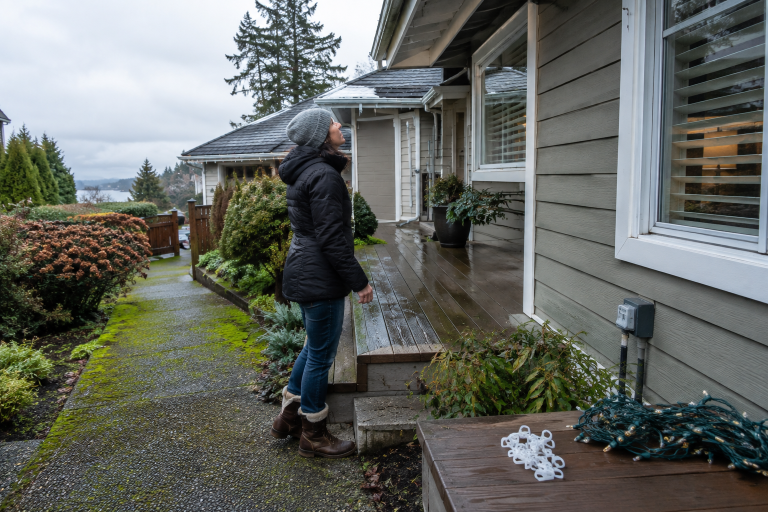
Before buying another box of lights, walk around the property in daylight. Look at the home from the sidewalk and decide which features deserve attention. A front gable, entryway, fence line, balcony, or small tree may be enough to create a finished appearance without covering every surface.
Make a short sketch of the display and note where outdoor outlets are located. Include roof edges, eaves, trees, gates, walkways, and areas where rainwater tends to collect. This initial review makes it easier to estimate cord lengths, avoid trip hazards, and identify sections that should remain off limits.
Check the Home Before Choosing Lights
Holiday lighting should not hide maintenance problems. Check that gutters are secure, shingles and siding are in sound condition, and exterior outlets have intact covers. Avoid attaching lights to loose gutters, damaged trim, or surfaces that cannot safely support clips.
Pay particular attention to footing. Mossy paths, wet decks, and sloped driveways can become slippery quickly in Vancouver's winter conditions. Keep lighting plans away from overhead power lines, and do not attempt to reach a high or awkward location simply because it would complete the design.
Choose Products Made for Outdoor Use
Use light strings, extension cords, splitters, and connection covers labeled for outdoor use. Indoor products are not intended to handle repeated exposure to moisture, temperature changes, and wind. Check each package before installation, and follow the manufacturer's instructions for the number of strings that may be connected end to end.
LED lights are often a sensible choice for a display that will operate regularly because they use less electricity than traditional incandescent holiday bulbs and typically remain cooler in use. Look for recognized electrical safety marks, such as CSA, UL, or ETL, and inspect the plug, wire insulation, sockets, and fuse compartment before hanging anything.
The safety characteristics for seasonal lighting products identified by the U.S. Consumer Product Safety Commission include adequate wire size, strain relief, and overcurrent protection. Even when shopping locally, these are useful features to consider when comparing temporary decorative lighting.
Build a Safer Outdoor Power Plan
Outdoor decorations should be supplied from a GFCI-protected outlet. A ground-fault circuit interrupter is designed to cut power when it detects certain fault conditions, making it particularly important around exterior outlets and damp conditions. Test the outlet according to its instructions before the season begins.
- Choose outdoor-rated extension cords suited to the equipment being powered.
- Keep plugs and cord connections above the ground, away from puddles and drainage routes.
- Use weather-resistant covers where connections need protection.
- Do not run cords across driveways, door thresholds, walkways, or places where they can be pinched.
- Stop using the display if a breaker or GFCI trips repeatedly, then have the problem assessed rather than resetting it again and again.
Create a Weather-Smart Design
A restrained design is often easier to maintain and more attractive from the street. Frame a roofline or porch, add a warm-white accent to a small tree, and leave enough darkness between features for the house itself to remain visible. Warm white lighting offers a classic look, while permanent color-changing systems can be programmed for holidays, celebrations, and subtle architectural illumination throughout the year.
Keep strands clear of branches that sway heavily in the wind, and avoid blocking gutters or downspouts. Timers and smart controls can limit unnecessary overnight operation while ensuring the display turns on when neighbors and visitors are most likely to enjoy it.
Install Carefully in Rainy Conditions
Wait for a dry weather window whenever possible. Let roofs, ladders, decks, and walkways drain before climbing or placing cords. Vancouver rain can make surfaces slick long after precipitation stops, so a rushed installation is rarely worth the risk.
- Inspect: Remove any string with cracked insulation, loose sockets, corrosion, exposed wire, or a damaged plug.
- Test: Plug in each section on the ground before mounting it.
- Measure: Confirm that the planned route reaches the outlet without stretching wires or relying on a chain of extension cords.
- Mount: Use clips designed for the surface. Do not staple, nail, or pierce cords, shingles, siding, or light strings.
- Connect: Raise and protect plug connections so they remain visible for inspection.
- Schedule: Test the full display and timer before the first evening it will run.
Know When to Skip DIY Installation
Professional help is appropriate for steep roofs, tall trees, multi-story homes, complex peaks, permanent tracks, or any setup that would place a person near overhead electrical lines. Never use a wet ladder, work in strong wind, or lean beyond a safe position to reach a final section. Temporary holiday lights should also never substitute for needed electrical repairs or new exterior wiring.
Temporary vs. Permanent Lighting
Temporary strings remain flexible for homeowners who enjoy changing their display every year. They can be stored after the season and used selectively for a simple roofline, entry, or garden feature. Their trade-off is repeated setup, removal, storage, and ladder use.
Permanent systems may reduce seasonal installation work and offer programmed colours for multiple occasions. However, they still require thoughtful placement, durable components, protected electrical connections, and appropriate installation methods. The right choice depends on the home's layout, the desired level of control, and how often the lighting will be used.
Keep the Display Safe All Season
Inspect lights after heavy rain or wind, particularly at plug connections, roof edges, and trees. Turn the display off before bed or when the home will be empty, remove damaged products from service, and keep cords clear of doors, snow, standing water, and areas used by guests. The outdoor decoration safety checklist from the Electrical Safety Foundation International is also useful for reviewing ladder practices, outlet protection, and cord placement.
Quick Vancouver Holiday Lighting Checklist
- Outdoor-rated lights and extension cords selected.
- All strings are tested and checked for damage.
- GFCI protection confirmed.
- Connections raised above wet surfaces.
- Clips ready, with no staples or nails planned.
- Dry conditions and stable ladder footing confirmed.
- Timers tested, and a shutoff plan understood.
A safe holiday display does not need to be oversized to be memorable. By focusing on a few architectural features, using weather-suitable equipment, and stepping back when access becomes unsafe, Vancouver homeowners can create festive curb appeal with less stress throughout the season.
- How to Plan Safe, Low-Stress Holiday Lighting for Vancouver, British Columbia Homes - November 2, 2026
- How To Compare Honolulu Neighborhoods by Commute, Cost, and Daily Life - October 28, 2026
- How to Make a Clinton Walk-In Urgent Care Request - October 28, 2026


