Is Your Summer as Safe as It Is Fun? Discover How With These Essential Safety Tips!
Summer offers the promise of sunshine, longer days, and plenty of outdoor activities. Whether you're planning a beach vacation, a family road trip, or just some time to relax at home, safety should always be a top consideration. But how can you ensure that your summer fun is also safe? Let's look at six key ways to keep yourself and your loved ones protected while making the most of the warm weather. From hydration to handling the sun, read on to learn how to enhance your summer experience with safety and confidence.

Stay Hydrated: The Foundation of Summer Health
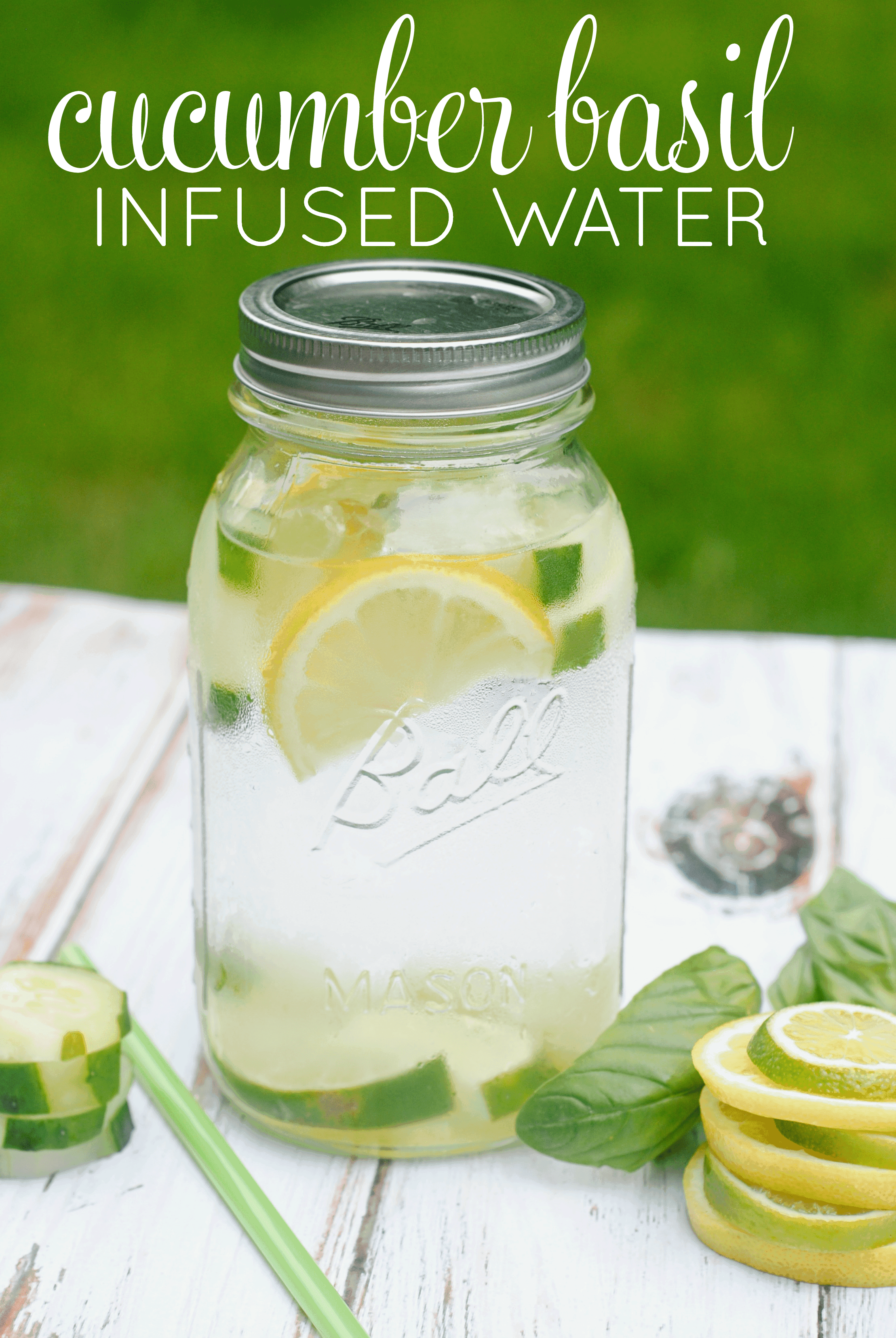
As temperatures climb, staying hydrated becomes crucial. Dehydration can sneak up quickly, particularly if you're spending long hours outdoors. Start each day with a large glass of water and keep a reusable bottle handy throughout the day. Water is always the best choice, but if you or your kids tire of it, coconut water or sports drinks with electrolytes can also be refreshing options.
And did you know that you can become dehydrated while swimming? That’s right – even though you’re in the water doesn’t mean that you can ignore the same hydration requirements as the people sweating it out in a thrilling game of beach volleyball. If you aren’t familiar with them, you may want to take a peek at swimming hydration tips in an article from one of the major swimming magazines.
Safe Swimming: A Must for Summer Enjoyment
People love to head to the pool, a lake, and the ocean for some summer fun, but water safety is critical. Ensuring that everyone, young and old, in the family knows how to swim is a vital first step. If you or your loved ones aren't confident swimmers, consider enrolling in swimming lessons at the beginning of the season. These classes are widely available through community centers and provide vital skills that can be lifesaving. Apart from skills, always supervise children when they're in or around water, even if they're proficient swimmers. Use appropriate flotation devices, and familiarize yourself with the safety rules of public pools or lifeguard instructions at the beach.
Sun Safety: Protect Your Skin from the Summer Sun
Sun protection is essential for preventing short-term discomforts like sunburns and long-term risks like skin cancer. Apply a good, waterproof sunscreen with an SPF of at least 30 to your skin, and reapply it every two hours, or immediately after swimming or excessive sweating. Wearing lightweight, long-sleeved shirts, and wide-brimmed hats can also provide additional protection. Don't forget sunglasses with UV protection to safeguard your eyes, which can also suffer from excessive sun exposure.
Choose the Right Swimwear for Summer Activities
Selecting appropriate swimwear is more than a fashion decision; it's a safety measure. When you're planning a day at the beach or a swim in the pool, the type of swimwear you choose can impact your comfort and your safety. For those engaging in more vigorous water sports like surfing or kayaking, a well-fitted one-piece suit or a sports bikini designed to stay in place is essential.
These options provide the security and coverage needed for high activity, preventing accidents and discomfort. Conversely, if you're lounging by the pool or on the sand, a stylish bikini might be the perfect choice. Just remember, whatever your activity, the right swimwear enhances your experience and safety. And don't forget, when choosing your swimwear, especially bikini bottoms, ensure they fit snugly and comfortably so you can move freely without worrying about your suit.
Food Safety: Keeping Your Cool with Summer Eats
Summer picnics and barbecues are delightful ways to enjoy the season’s bounty with friends and family, but warm temperatures can also increase the risk of foodborne illnesses. Keep perishable foods like salads, meats, and dairy products in coolers with ice packs until it's time to eat. Use a food thermometer to help you cook meats to the right temperature to kill harmful bacteria. Remember to keep raw foods separate from cooked foods to avoid cross-contamination. Food left out for more than two hours may no longer be safe to eat, and in high temperatures, this window is even shorter, and can lead to less-than-pleasant consequences.
Travel Safely: Road Trips and Outdoor Adventures
Hitting the road for a summer adventure is exciting, but it's important to prepare your vehicle for the journey. Ensure your car’s maintenance is up-to-date, check the tire pressure, and top off all fluids. When packing, distribute weight evenly and ensure nothing is obstructing the driver’s view. Always have an emergency kit in your car, which includes water, snacks, a first-aid kit, and necessary medications. Plan your route in advance and be mindful of weather conditions. If you’re heading into nature, be aware of local wildlife, and understand the basics of what to do in an encounter. Make sure you tell someone your travel plans and expected return, especially if venturing into remote areas.
- Residential Driveway Planning Guide: Materials, Drainage, Installation, and Maintenance - August 20, 2026
- A Flexible Zion National Park Itinerary for Hikers, Families, and Scenic Road Trippers - August 20, 2026
- Persistent Odors Need Source-Level Treatment: FIRESTONE Restoration Provides Professional Ottawa Sanitizing Services - August 20, 2026