
Expert Whole House Generator Installation: Safety Checklist
Table of Contents
- Introduction
- Importance of Licensed Electricians
- Understanding Permits and Code Compliance
- Proper Sizing and System Design
- Transfer Switch Installation
- Safety Considerations
- Maintenance and Upkeep
- Cost and Investment
- Conclusion
Introduction
In today’s world, power outages can cause significant disruption to daily routines, leaving homeowners without essential systems such as heating, cooling, and medical devices. More households are turning to whole-home generators to keep their lives running smoothly, but the reliable operation of these units begins with the installation process. For residents considering Taylors, SC whole home generator installation by licensed electricians, understanding the importance of professional expertise is paramount.
Improper installation risks costly equipment failure and can also present real dangers, including electrical hazards and carbon monoxide exposure. Licensed electricians bring the knowledge, skill, and adherence to local safety codes essential for peace of mind and efficient, worry-free operation. Making the right installation choices protects your household and property investment from unnecessary risks.
Importance of Licensed Electricians
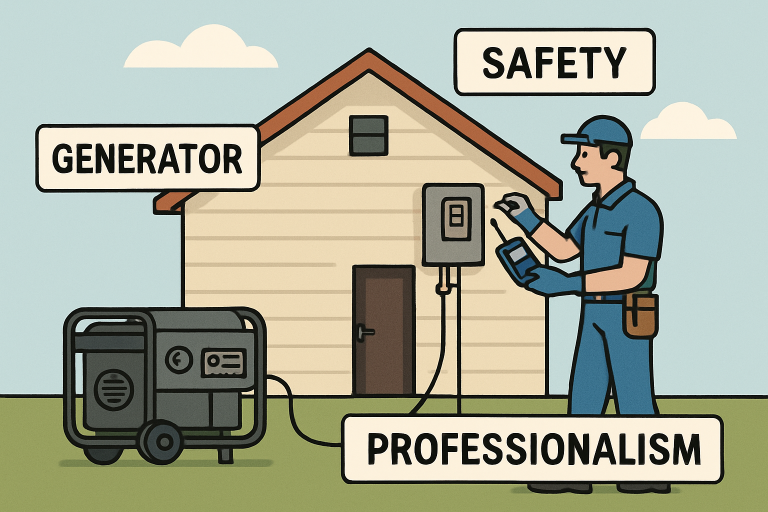
Whole-home generator installation isn’t a typical DIY task. Licensed electricians possess extensive training and must follow strict regulatory standards, protecting both you and your home from potentially catastrophic events. An improperly installed generator can lead to backfeeding, which poses electrocution risks to utility workers and neighbors. According to Bob Vila, skipping vital steps like correct grounding, ventilation, and safe wiring can void warranties or jeopardize insurance claims.
Professional electricians guarantee generator performance and your household’s safety. They understand different generator models, can address unique home electrical demands, and provide expert troubleshooting throughout the installation process.
Understanding Permits and Code Compliance
The generator installation is essential to secure the proper permits and meet local code requirements. Municipalities have specific rules about where generators can be located, noise restrictions, safe distances from structures, and how transfer switches must be connected. Failing to comply not only puts your home at risk but can also result in hefty fines, delays, or complications during future home sales. The Washington Post emphasizes ensuring all paperwork is properly filed and compliant with local and homeowners' association rules.
Proper Sizing and System Design
Every home’s electrical needs are unique. Factors such as the size of your property, the number and type of appliances, AC units, and even future renovation plans must be accounted for to select the right generator size. Undersized units may not support your minimum energy requirements, while oversized generators consume unnecessary fuel and incur needless upfront costs. A licensed electrician conducts a complete load calculation, ensuring your new generator will perform efficiently and reliably under all circumstances, no matter your household’s energy needs.
Additionally, the system’s design incorporates optimal placement for ventilation, fuel line routing, and easy access for future maintenance. Professional expertise ensures efficient operation and prevents avoidable wear and tear on generator components.
Transfer Switch Installation
A transfer switch is the critical safety gateway between your generator and home electrical panel. It separates generator power from your utility connection, ensuring smooth, automated switching during an outage and eliminating risks such as backfeeding electricity into the grid. These switches must match your home’s electrical capacity and generator size. As highlighted by Angi, properly installed transfer switches not only protect your family but also guarantee utility compliance and extended generator life. Licensed electricians can select and install the right model for seamless operation.
Safety Considerations
When not handled correctly, generator installation can expose your home to electrical malfunctions, carbon monoxide poisoning, and fire hazards. Licensed professionals use industry-accepted placement guidelines to prevent exhaust buildup, ensure all connections are made with proper safeguards, and incorporate adequate ventilation. They also complete final inspections, arranging municipal sign-offs to confirm code compliance. This thorough process significantly reduces safety risks and ensures that your generator will provide safe backup power for years to come.
Maintenance and Upkeep
Like all complex appliances, generators require periodic service to ensure reliability when they’re needed most. Scheduled visits by licensed electricians include battery health checks, oil and fuel filter changes, testing automatic start functions, and thorough system inspections. Proactive maintenance can prevent breakdowns, extend the life of your equipment, and help homeowners avoid the stress of last-minute emergency repairs. For further information on how maintenance can impact generator longevity, see this Wirecutter guide from The New York Times.
Cost and Investment
Purchasing and installing a whole home generator involves not only the price of the equipment but also professional installation and ongoing maintenance. Though the upfront costs may seem daunting, they are often balanced by increased property value, reduced spoilage of perishable goods, and peace of mind during extended outages. National trends reported by The Washington Post show a significant rise in whole-home generator installations, underscoring their growing value as a household resilience investment.
Conclusion
Choosing a whole-home generator is a forward-thinking approach to unpredictable weather and power grid instability. Entrusting installation and ongoing maintenance to licensed electricians is essential for compliance, optimal performance, and—most importantly—your family’s safety. With professional expertise guiding every step, you’ll be well prepared when the next power outage arrives, safeguarding your home and keeping life running worry-free no matter the season.
- Residential Driveway Planning Guide: Materials, Drainage, Installation, and Maintenance - August 20, 2026
- A Flexible Zion National Park Itinerary for Hikers, Families, and Scenic Road Trippers - August 20, 2026
- Persistent Odors Need Source-Level Treatment: FIRESTONE Restoration Provides Professional Ottawa Sanitizing Services - August 20, 2026


