
Hotel Suite vs. Furnished Apartment: Which Is Right for Your Next Trip?
The Evolving Landscape of Travel Accommodations
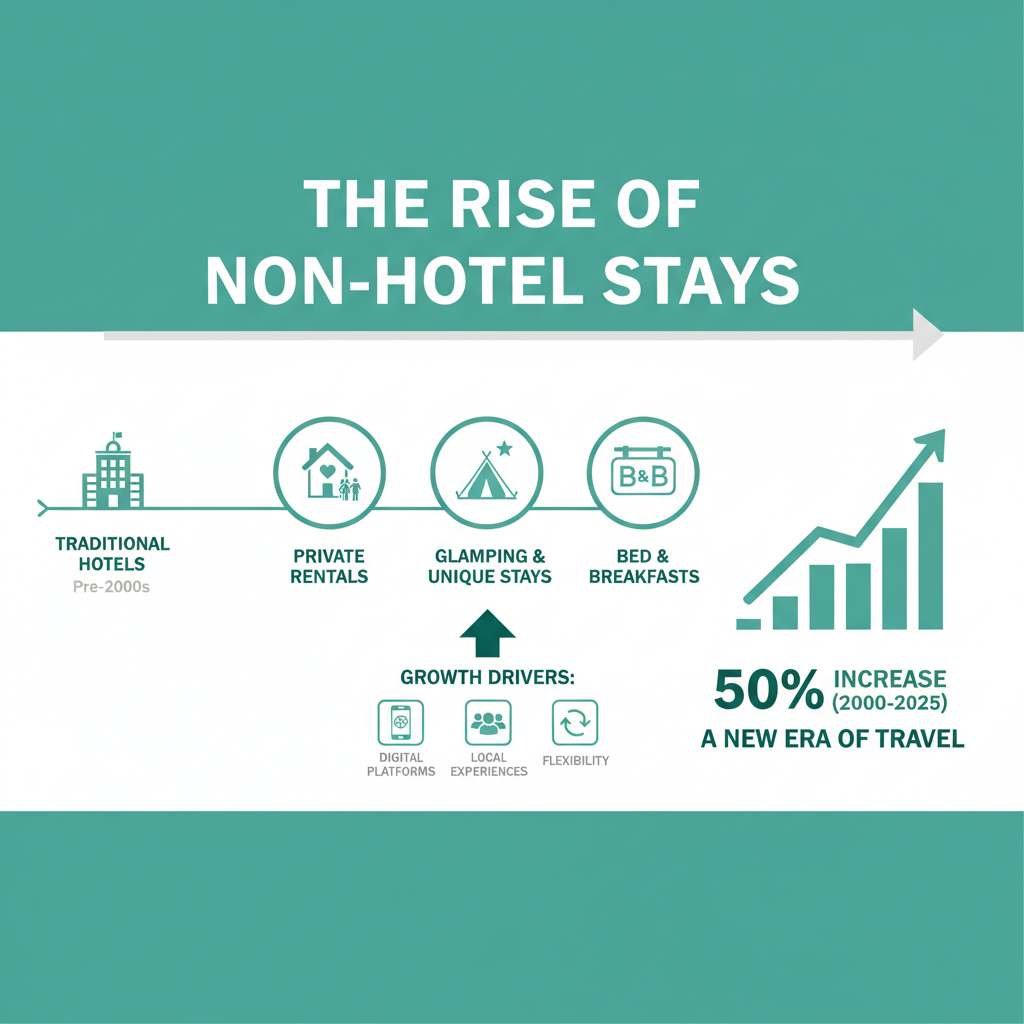
The way we travel and experience new places has undergone a significant change. For decades, the traditional hotel was the undisputed king of lodging. Travelers sought the reliability, standardized services, and familiar comforts that hotels offered. However, the rise of the sharing economy, digital platforms, and a growing desire for authentic, localized experiences has reshaped our expectations. Today, the array of accommodation types available is vast, catering to every budget, travel style, and duration.
We've moved beyond a simple choice between a budget motel and a luxury hotel. Now, travelers can opt for cozy bed-and-breakfasts, immersive homestays, adventurous glamping sites, or the growing popularity of private residences like Detroit furnished accommodations, which combine comfort, convenience, and a sense of home for both short- and long-term stays. This shift reflects a broader trend: a desire for more personalized, flexible, and often more spacious lodging options that can truly feel like a temporary home. Understanding this evolving landscape is crucial for making an informed decision that improves your entire journey.
Understanding Your Core Choices
Within this diverse landscape, two primary contenders often emerge when planning a trip that extends beyond a single night or requires more than just a basic room: the hotel suite and the furnished apartment. While both offer more space and amenities than a standard hotel room, they cater to fundamentally different needs and provide distinct experiences.
A hotel suite typically offers a multi-room setup within a hotel property, providing separate living and sleeping areas, often with improved services. It's an upgrade from a standard room, designed for comfort and convenience, but still very much within the traditional hospitality framework.
A furnished apartment, on the other hand, is a self-contained residential unit equipped with all the essentials for living, from a full kitchen to laundry facilities, and often available for short-term or extended stays. These can range from a cozy studio to a multi-bedroom home, offering a genuine sense of local living.
The distinction between these two often boils down to whether you prioritize serviced accommodation – where daily services like housekeeping and concierge are standard – or non-serviced accommodation, where you largely manage your own daily needs, much like at home. Each choice profoundly impacts the guest experience, from the level of privacy and independence to the integration into the local community. As we dig deeper into each option, we'll help you discern which aligns best with your travel philosophy and practical requirements.
Deep Dive: The Hotel Suite Experience
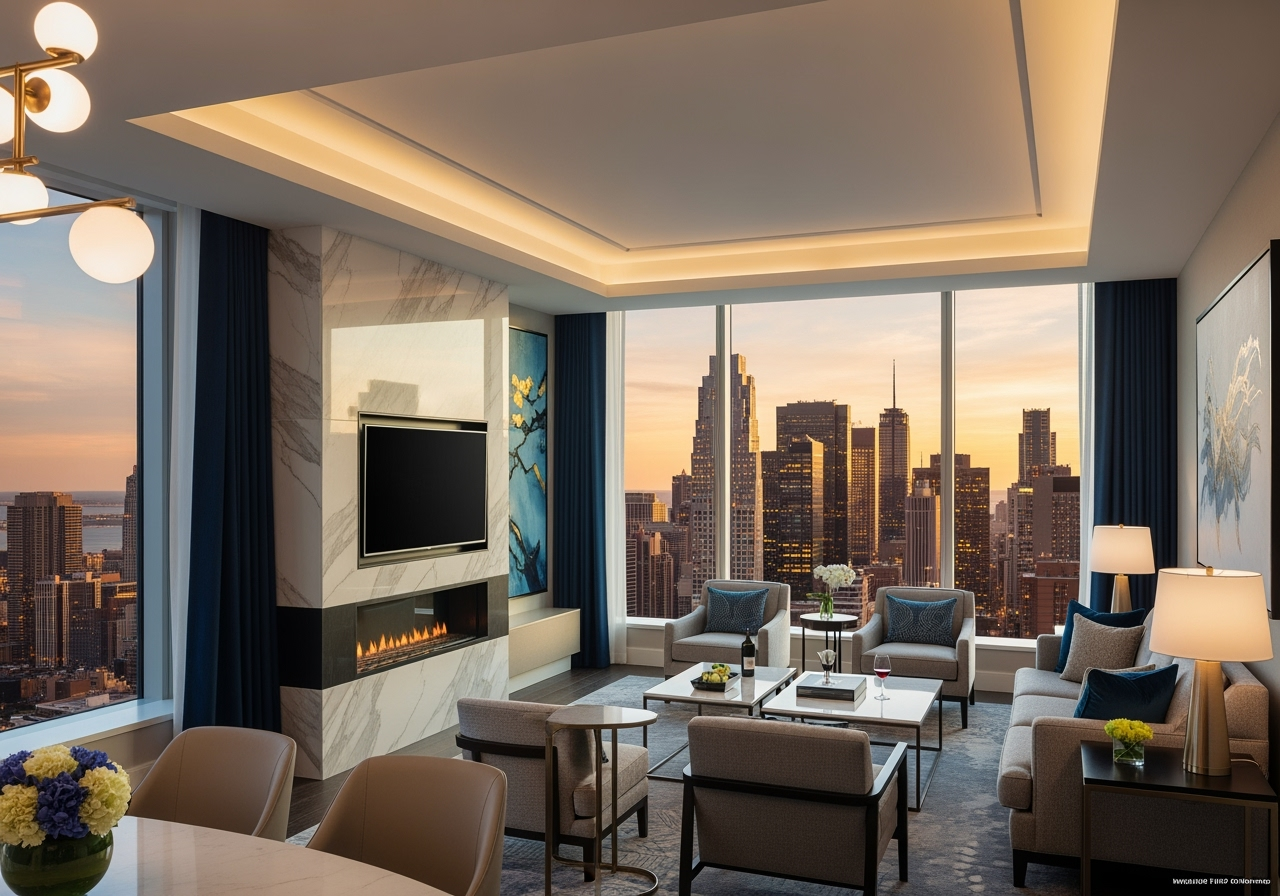
For many travelers, the hotel suite represents the epitome of comfort and convenience. It’s a lift version of the classic hotel stay, offering more space and often a touch of luxury. Typically, a hotel suite includes a separate living area from the bedroom, providing room to relax, work, or entertain without disturbing a sleeping companion. Some larger suites might even feature multiple bedrooms, dining areas, or kitchenettes, bridging the gap between a standard room and a full apartment.
The allure of a hotel suite lies in its comprehensive service. Guests benefit from daily housekeeping, ensuring a consistently tidy and refreshed environment. Room service brings meals directly to your door, and a dedicated concierge can assist with everything from restaurant reservations to tour bookings. On-site facilities like gyms, pools, spas, and business centers are usually readily available, making it a self-contained environment where all your needs can be met within the property. The reliability and predictability of a well-established hotel chain, coupled with loyalty programs offering perks and upgrades, add to its appeal.
Pros and Cons of Hotel Suites
The decision to opt for a hotel suite comes with a distinct set of advantages and disadvantages that are important to weigh:
Pros:
- Best Convenience: Everything you need is often just a phone call away. From fresh towels to a late-night snack, the hotel staff is there to assist.
- Improved Security: Hotels typically offer robust security measures, including 24/7 front desk service, surveillance, and secure entry systems, providing peace of mind.
- Predictable Quality: Especially with reputable brands, you can expect a consistent standard of cleanliness, service, and amenities, regardless of location.
- On-site Amenities: Access to pools, fitness centers, restaurants, and bars without leaving the building adds significant value, especially for leisure travelers.
- Flexibility: Hotel suites are generally easy to book for short durations, even for a single night, and offer flexible cancellation policies.
Cons:
- Higher Cost: Suites are inherently more expensive than standard hotel rooms and often pricier than comparable furnished apartments, especially for longer stays.
- Limited Space (Compared to Apartments): While more spacious than a regular room, a hotel suite still typically offers less overall square footage and fewer distinct living areas than a furnished apartment.
- Lack of Full Kitchen: While some suites have kitchenettes, they rarely feature a full, functional kitchen, limiting self-catering options and potentially increasing food expenses.
- Less Privacy: Despite separate living areas, you're still part of a larger hotel environment, with neighbors, staff, and public spaces that can impact your sense of seclusion.
- Less Local Immersion: The hotel environment can sometimes feel insulated, making it harder to experience the authentic local culture and daily life of a destination.
Here’s a list of typical hotel suite amenities you can often expect:
- Separate living room area with seating
- Larger bathroom, often with double vanities or a separate tub and shower
- King-sized bed or multiple beds
- Desk or workspace
- Mini-fridge or minibar
- Coffee maker
- Multiple flat-screen TVs
- High-speed Wi-Fi
- Daily housekeeping
- Concierge service
- Access to the hotel pool, gym, spa, and restaurants
Who Should Choose a Hotel Suite?
Hotel suites are an excellent choice for specific types of travelers and travel scenarios. If your trip is a short-term stay, perhaps a weekend getaway or a quick business trip, the convenience and amenities of a suite can be invaluable. Business travelers often appreciate the dedicated workspace, reliable Wi-Fi, and the ease of having services like laundry and dining readily available, allowing them to focus on their work without domestic distractions.
For those seeking a touch of luxury and a truly pampered experience, a hotel suite delivers. Vacationers who desire full service – preferring to leave the details of cleaning, cooking, and local arrangements to others – will find the hotel suite experience highly satisfying. It's about indulging in comfort and having everything taken care of. Furthermore, for travelers interested in staying in properties with rich histories and unique architectural charm, exploring options like luxury apartment living can offer an unforgettable experience, blending historical grandeur with modern comforts.
The Rise of the Furnished Apartment
In contrast to the traditional hotel model, furnished apartments have surged in popularity, offering a distinct alternative that appeals to a growing segment of travelers. These self-contained units provide a complete living environment, equipped with furniture, kitchenware, and often laundry facilities, making them ideal for those seeking a “home away from home” experience. From urban lofts to suburban houses, furnished apartments offer a diverse range of options, each designed to integrate you more deeply into the local fabric of your destination.
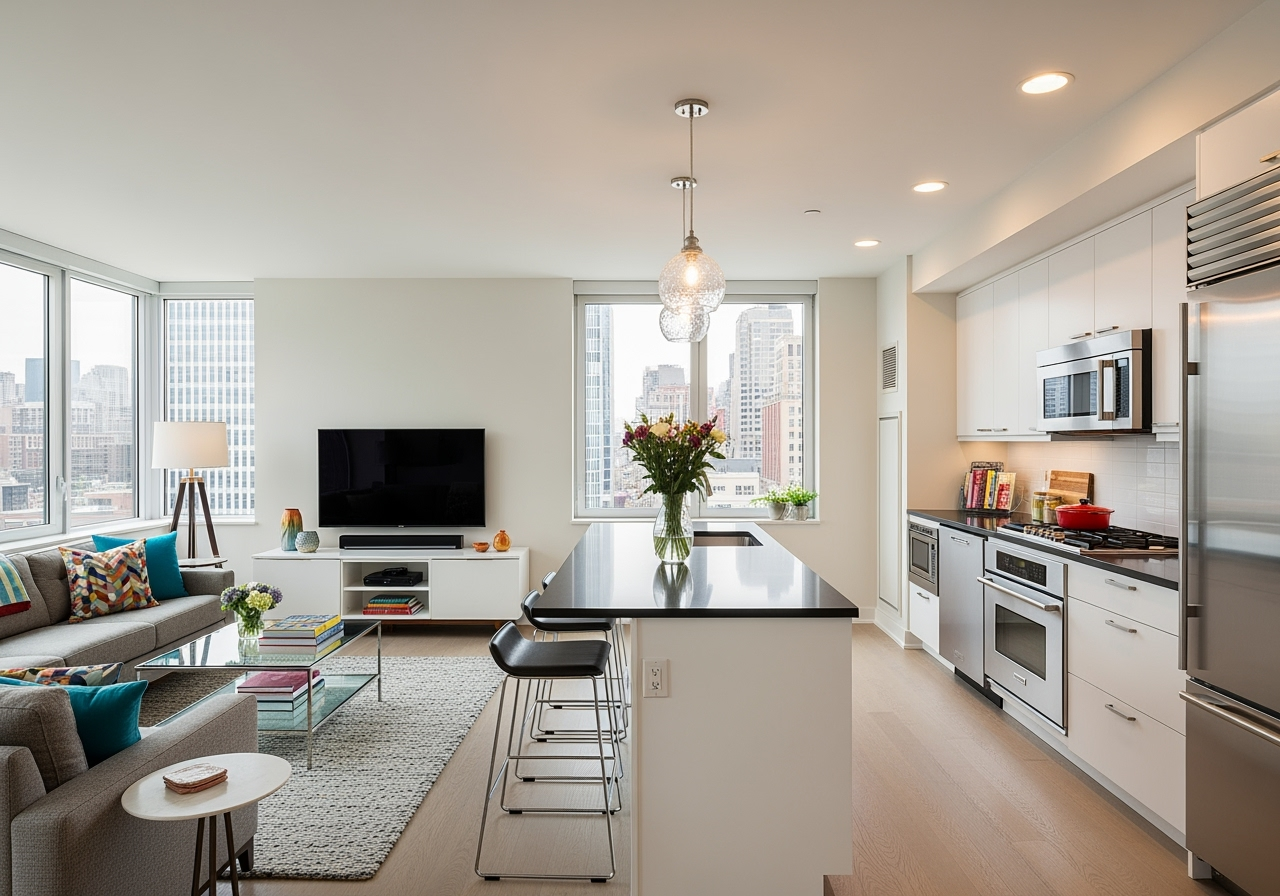
The primary draw of a furnished apartment is the sense of space and privacy it affords. Unlike a hotel suite, you typically have an entire apartment to yourself, often with separate bedrooms, a spacious living room, and most importantly, a fully equipped kitchen. This allows for self-catering, which can lead to significant savings on dining out and offers the flexibility to prepare meals according to your own schedule and dietary preferences. For extended stays, this aspect becomes particularly valuable, fostering a greater sense of normalcy and routine. The experience often feels more authentic, allowing you to live like a local, shop at neighborhood markets, and find hidden gems beyond the typical tourist trails.
Pros and Cons of Furnished Apartments
Furnished apartments present a compelling set of advantages, particularly for certain travel styles, but they also come with their own considerations:
Pros:
- Cost-Effective for Groups and Long Stays: For families or groups traveling together, a multi-bedroom furnished apartment is often more economical than booking multiple hotel rooms or a large suite. For extended trips, weekly or monthly rates can offer substantial savings over daily hotel rates.
- Homelike Comfort and Space: With separate living areas, full kitchens, and sometimes even outdoor spaces, furnished apartments provide a level of comfort and freedom that hotels rarely match. You can truly spread out and relax.
- Improved Privacy: You have your own front door, without constant interactions with hotel staff or other guests in common areas, offering a greater sense of personal space.
- Full Kitchen Facilities: The ability to cook your own meals is a game-changer for budget travelers, those with dietary restrictions, or anyone who prefers home-cooked food.
- Local Neighborhood Feel: Staying in a residential area offers a more authentic travel experience, providing insights into daily life and culture that hotels often don't.
Cons:
- Variable Quality and Consistency: Unlike hotel chains, the quality of furnished apartments can vary significantly between properties and hosts. Thorough research and reading reviews are essential.
- Fewer On-site Services: You won't typically find daily housekeeping, room service, or a concierge. You're responsible for your own cleaning, cooking, and local arrangements.
- Potential for Hidden Fees: Cleaning fees, service charges, and security deposits can add to the overall cost, so it's crucial to understand the total price upfront.
- Less Flexibility for Short Stays: Many furnished apartments have minimum stay requirements, often three nights or more, making them less suitable for very short trips.
- Check-in/Check-out Can Be Less Streamlined: Depending on the host, check-in procedures might be less standardized than a hotel front desk, potentially requiring coordination.
Who Should Choose a Furnished Apartment?
Furnished apartments are particularly well-suited for travelers seeking independence, space, and a more authentic local experience. Families often find them ideal, as they provide separate bedrooms for children, a living area for communal gathering, and a kitchen for preparing family meals, all at a potentially lower cost than multiple hotel rooms. Long-term travelers or relocating professionals benefit immensely from the homelike environment, full amenities, and cost savings over extended periods. The ability to maintain a routine, cook, and do laundry can significantly improve comfort and well-being during prolonged stays.
Furthermore, budget-conscious groups can split the cost of a spacious apartment, making it a highly economical option. For those who prioritize living like a local and immersing themselves in their destination's culture, a furnished apartment offers an unparalleled opportunity. For instance, travelers seeking modern, comfortable living spaces for an authentic city experience might consider exploring furnished accommodations in Detroit to find options that perfectly blend convenience with local charm.
Key Factors in Choosing Your Travel Accommodation Types
Deciding between a hotel suite, a furnished apartment, or another accommodation type ultimately comes down to a careful evaluation of your specific travel needs and preferences. There's no universal “best” option; rather, it's about finding the perfect fit for your trip. To help you steer this decision, we've outlined a comparison of hotel suites and furnished apartments across several key criteria:
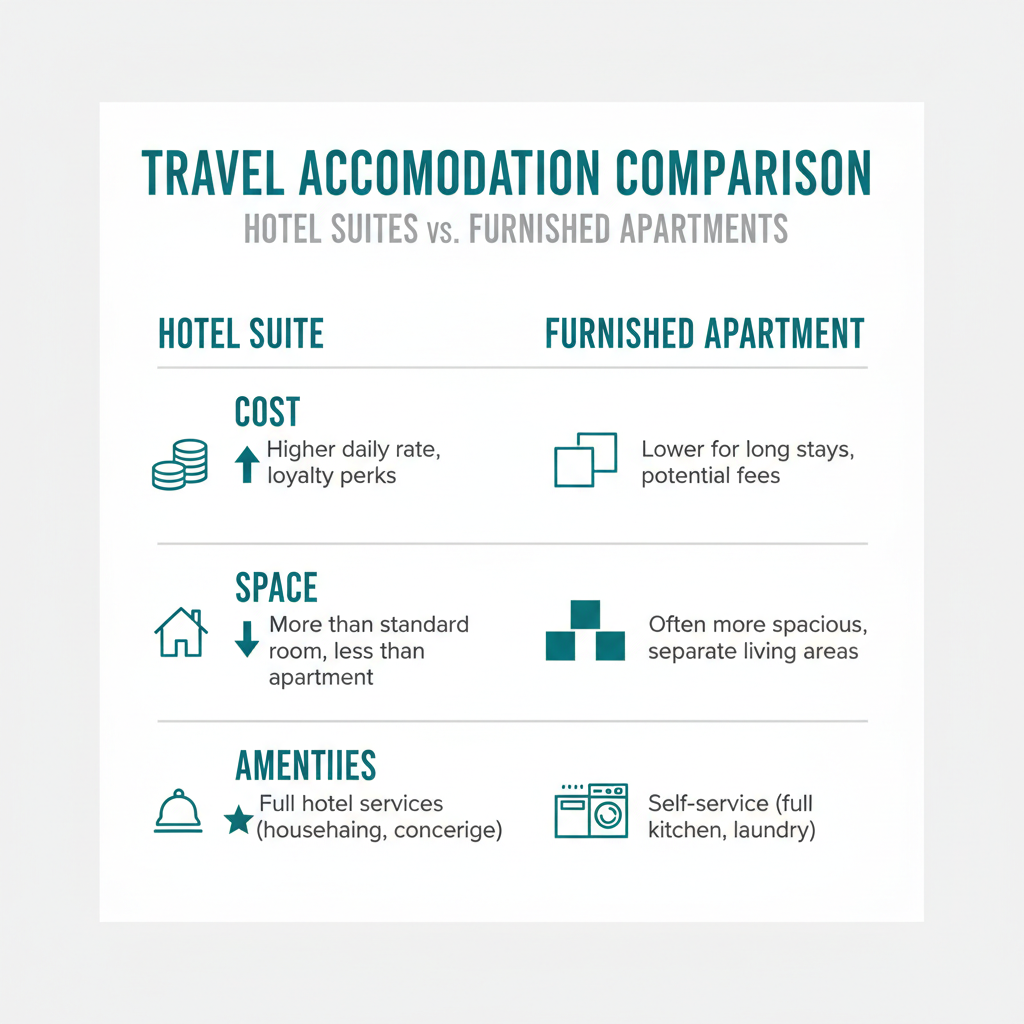
Feature Hotel Suite Furnished Apartment
Cost: Higher daily rate, potential for loyalty perks. Lower daily rate for longer stays, potential fees.
Space: More than a standard room, less than an apartment. Often, more spacious, separate living areas.
Amenities: Full hotel services (including housekeeping and concierge). Self-service (full kitchen, laundry)
Privacy is Good, but within the hotel environment, High personal space
Trip Duration: Best for short to medium stays.Best for medium to long stays
Work Suitability: Dedicated desk, business center access, Dedicated workspace, home office feel
Local Immersion Limited, often insulated, is integrated into the neighborhood
Flexibility: Easy short-term booking, flexible cancellation. Often, a minimum stay and less flexible cancellation. Analyzing Your Trip's Needs
Beyond this direct comparison, a deeper analysis of your trip's unique characteristics is essential:
- Budget Considerations: This is often the most significant factor. While a hotel suite might seem more expensive per night, consider what's included. Does it offer complimentary breakfast, free gym access, or other perks that you would pay for separately in an apartment? Conversely, a furnished apartment might have a lower nightly rate, but factor in cleaning fees, groceries, and transportation costs if it's less centrally located. For longer stays, the cost savings from cooking your own meals in a furnished apartment can be substantial.
- Travel Style: Are you a traveler who enjoys being pampered, with services readily available, or do you prefer independence and self-sufficiency? Do you thrive on the buzz of a hotel lobby, or do you crave the quiet solitude of a residential street? Your inherent travel style will heavily influence which option feels more comfortable and enjoyable.
- Number of Guests: Traveling solo, as a couple, with a family, or a larger group? A hotel suite might accommodate a couple or a small family. Still, a multi-bedroom furnished apartment is almost always more practical and comfortable for larger groups, providing everyone with their own space.
- Trip Length: For a one or two-night stay, the ease of a hotel suite is often unbeatable. For a week, a month, or even longer, a furnished apartment offers superior value, comfort, and the ability to settle in.
- Desired Level of Independence: Do you want to come and go without interacting with staff, cook your own meals, and manage your own schedule? Or do you prefer the structure and support of a full-service establishment? Your answer here will be a strong indicator of your ideal accommodation type.
By honestly assessing these factors, you can align your accommodation choice with the overall goals and practicalities of your journey, ensuring a more harmonious and enjoyable travel experience.
Matching Accommodation to Your Travel Scenario
The ideal accommodation isn't just about personal preference; it's also deeply intertwined with the specific context of your travel. Different types of trips call for different lodging solutions, optimizing for comfort, convenience, cost, or experience.
Consider a solo traveler on a budget. They might prioritize a hostel for its affordability and social atmosphere, perfect for meeting new people. In contrast, a family trip often necessitates more space and amenities. A furnished apartment with multiple bedrooms, a full kitchen, and laundry facilities can be a game-changer, enabling family meals and a comfortable environment for everyone.

Romantic getaways might lean towards boutique hotels or charming bed & breakfasts, offering intimate settings and personalized touches. Group vacations, whether with friends or extended family, often benefit from the communal living areas and shared costs of a vacation rental home, fostering togetherness while providing individual privacy.
Best Travel Accommodation Types for Business Trips
Business travel presents its own unique set of requirements where productivity and efficiency are paramount. While a hotel suite offers convenience, furnished apartments or extended-stay hotels are increasingly popular for business travelers, especially for longer assignments.
- Productivity Features: A dedicated, comfortable workspace with reliable, high-speed Wi-Fi is non-negotiable. Many hotel suites offer a desk, but a furnished apartment often provides a more spacious and separate area that feels like a home office.
- Wi-Fi Reliability: Consistent, fast internet access is critical for remote work, video conferencing, and staying connected. While hotels often provide Wi-Fi, the quality can vary; furnished apartments frequently have dedicated internet connections.
- Location Convenience: Proximity to business districts, client offices, or transportation hubs is key. Both hotel suites and furnished apartments can offer strategic locations, but furnished apartments in residential areas might provide a quieter environment after work.
- Workspace Needs: Beyond a desk, access to printing, scanning, and a comfortable chair can significantly impact productivity. Furnished apartments are more likely to offer these home office comforts.
- Extended-Stay Hotels: These hybrid options combine hotel services with apartment-like amenities, often featuring kitchenettes and separate living areas, making them a strong contender for business travelers on longer assignments.
A Look at Other Popular Travel Accommodation Types
While hotel suites and furnished apartments are prominent, travel accommodation is vast. Here's a brief overview of other popular choices, each with its unique appeal:
- Hostels: Ideal for budget-conscious solo travelers or groups, offering dormitory-style rooms (and sometimes private rooms) with shared common areas, fostering a social atmosphere.
- Bed & Breakfasts (B&Bs): Often charming, independently run establishments offering a more intimate, personalized experience, typically including breakfast and local insights from hosts.
- All-Inclusive Resorts: Perfect for a stress-free vacation where meals, drinks, activities, and entertainment are bundled into one price, often in scenic, self-contained locations.
- Vacation Rentals: A broad category encompassing everything from cabins and beach houses to city apartments, booked through platforms and offering a private, self-catering experience for varying durations.
- Unique Stays: For the adventurous and curious, options like glamping (glamorous camping), treehouses, converted historical buildings (such as lighthouses or churches), and even houseboats offer memorable, one-of-a-kind experiences that become highlights of the trip.
Frequently Asked Questions about Accommodation
As we steer the diverse world of travel lodging, certain questions frequently arise, helping travelers clarify their options and make the best decisions for their journeys.
What is the main difference between serviced and non-serviced accommodation?
The fundamental distinction between serviced and non-serviced accommodation lies in the level of services provided and the guest's responsibility for daily upkeep.
- Serviced Accommodation: This type of lodging, typically found in hotels, hotel suites, and aparthotels, includes a range of services during the stay. Key features often include:
- Housekeeping: Regular cleaning, linen changes, and towel replenishment.
- Included Amenities: Access to on-site facilities like gyms, pools, restaurants, and business centers.
- Concierge/Front Desk: Staff available to assist with inquiries, bookings, and local recommendations.
- Room Service: Order food and beverages directly to your room. The primary benefit is convenience and a hands-off approach to daily living, allowing guests to relax or focus on their travel purpose fully.
- Non-Serviced Accommodation: This category encompasses furnished apartments, vacation rentals, cabins, and many homestays. Guests are largely responsible for their own daily needs and maintenance. Key characteristics include:
- Self-Catering: Typically features a full kitchen, allowing guests to prepare their own meals.
- Guest Responsibilities: Cleaning, laundry, and general upkeep during the stay are the guest's responsibility, though a final cleaning fee is common.
- Fewer On-site Staff: Interaction with staff is usually limited to check-in/check-out or specific issues, rather than daily service. The main advantages are greater independence, privacy, and often more space, making it ideal for longer stays or those who prefer a more residential experience.
How does the budget influence the choice between a hotel suite and a furnished apartment?
Budget is a pivotal factor, and the “cheaper” option isn't always immediately obvious.
- Nightly Rate Comparison: For very short stays (1-3 nights), a hotel suite might appear more expensive per night than a basic furnished apartment. However, when you factor in potential cleaning fees for flats and the convenience of included hotel services (like breakfast or gym access), the gap can narrow.
- Long-Stay Discounts: Furnished apartments often offer significant discounts for weekly or monthly bookings, making them far more economical than hotel suites for extended periods. Hotels, while sometimes offering extended-stay rates, typically don't match the per-night value of a long-term apartment rental.
- Value for Money: Consider what you get for your money. A hotel suite provides services and amenities; a furnished apartment offers space, a full kitchen, and privacy. If you plan to cook most of your meals, the apartment will provide better overall value by reducing food costs.
- Group Cost-Sharing: For families or groups, a multi-bedroom furnished apartment allows for cost-sharing that is often more efficient than booking multiple hotel rooms or a very large, expensive hotel suite.
- Factoring in Food Costs: This is perhaps the biggest hidden cost differentiator. Eating out three meals a day in a hotel can quickly inflate your budget. The ability to buy groceries and cook in a furnished apartment can lead to substantial savings, making the apartment a more budget-friendly option in the long run.
While hotel suites offer a premium service experience, furnished apartments often provide a more cost-effective solution for longer durations, larger groups, or travelers who prefer to manage their own daily expenses.
Are there unique accommodation types for adventurous travelers?
Absolutely! For those seeking more than just a place to sleep, the accommodation landscape is brimming with unique options that promise adventure and unforgettable experiences. These choices often immerse you in nature, history, or a distinct cultural context.
- Glamping: Short for “glamorous camping,” glamping offers the immersive experience of camping without sacrificing comfort. Think luxurious tents, yurts, or domes equipped with real beds, electricity, and sometimes even private bathrooms, often set in stunning natural locations.
- Treehouses: Fulfill childhood fantasies by staying high above the ground in a custom-built treehouse. These can range from rustic and charming to incredibly luxurious, offering unparalleled views and a unique perspective on your surroundings.
- Converted Vehicles: From vintage Airstreams to repurposed school buses (“skoolies”) and custom-built campervans, staying in a converted vehicle offers ultimate freedom and mobility, allowing you to explore diverse landscapes at your own pace.
- Farm Stays (Agriturismo): Experience rural life by staying on a working farm. Guests can often participate in farm activities, enjoy farm-to-table meals, and connect with the region's agricultural rhythms.
- Eco-lodges: Designed with sustainability in mind, eco-lodges offer comfortable accommodation in natural settings, often powered by renewable energy and committed to minimizing environmental impact, appealing to eco-conscious adventurers.
- Houseboats: For a unique water-based adventure, they let you explore canals, lakes, or coastal areas, offering a mobile “home” with ever-changing views.
To find these and many other extraordinary places to stay, adventurous travelers can explore specialized platforms. Websites like Host Unusual, Coolstays, and One Off Places curate collections of truly unique accommodations. For those specifically interested in nature-immersed glamping experiences, Canopy and Stars is an excellent resource. History buffs might enjoy exploring stays in historic buildings through organizations like the Landmark Trust or Historic Houses. These platforms open up a world of possibilities for travelers eager to make their accommodation part of the adventure itself.
Conclusion
The journey to finding the perfect travel accommodation is deeply personal, shaped by myriad factors unique to each trip. We've explored the distinct worlds of hotel suites and furnished apartments, highlighting their core differences and ideal use cases. Hotel suites offer unparalleled convenience, consistent service, and on-site amenities, making them perfect for short, service-oriented stays or those seeking a touch of luxury. Furnished apartments, conversely, provide space, privacy, and the invaluable flexibility of a full kitchen, making them a cost-effective and authentic choice for longer durations, families, or those craving a local living experience.
The “right” accommodation isn't about one option being inherently superior to another. It's about aligning your choice with your travel priorities. Consider your budget, the length of your stay, the number of people traveling, your desired level of independence, and the kind of experience you wish to have. Do you dream of being pampered with daily housekeeping and room service, or do you prefer the freedom to cook your own meals and immerse yourself in a neighborhood's daily rhythm?
By carefully weighing these considerations, you empower yourself to make an informed decision that will not just provide a place to sleep but genuinely improve your entire travel experience. The right accommodation doesn't just offer comfort; it sets the tone for your adventure, allowing you to create lasting memories and truly connect with your destination.
- Residential Driveway Planning Guide: Materials, Drainage, Installation, and Maintenance - August 20, 2026
- A Flexible Zion National Park Itinerary for Hikers, Families, and Scenic Road Trippers - August 20, 2026
- Persistent Odors Need Source-Level Treatment: FIRESTONE Restoration Provides Professional Ottawa Sanitizing Services - August 20, 2026


