Common Mistakes to Avoid When Cleaning a Couch
Keeping a couch clean can feel like a constant battle. Between daily use, spills, and dust accumulation, it is easy to make errors that damage the material or reduce the lifespan of your furniture. Many people approach couch cleaning casually, but even minor mistakes can lead to stains, fading, or structural issues. Understanding common pitfalls can save both time and money while maintaining the comfort and appearance of your living space. This guide highlights some frequent errors and how to avoid them, helping you take better care of your couch.
Using the Wrong Products on Leather
Leather couches offer a touch of elegance, but they require careful attention. One common mistake is applying cleaning solutions meant for fabric or using harsh chemicals that strip the leather's natural oils. For example, applying bleach or abrasive sprays can cause cracking or discoloration. To clean a leather couch properly, use a cleaner designed for leather, and combine it with a soft cloth to gently wipe the surface. Avoid saturating the leather with water, as excessive moisture can lead to warping. Regular maintenance with appropriate leather conditioners keeps the couch supple and extends its life.
Over-Saturating Fabric Couches
Fabric couches are prone to deep stains, but one of the most common mistakes people make is using too much water during cleaning. Pouring or spraying large amounts of liquid can cause it to seep into the padding and the base of the cushions, creating an environment where mold and mildew can develop. This not only produces unpleasant odors but can also weaken the structure of the couch over time.
Excessive moisture can also cause dyes to bleed, leaving uneven discoloration or watermarks on the upholstery. Instead of saturating the fabric, it is more effective to lightly dampen a cloth with a gentle, fabric-safe cleaning solution and work on small sections at a time. Blotting stains rather than rubbing prevents fibers from fraying and keeps the fabric looking intact. After treating a section, allow it to air dry completely before moving on to another area or using the couch.
Besides preventing water damage, this method reduces the risk of spreading the stain and maintains the overall texture and appearance of the fabric. Regular attention to small spills combined with careful spot cleaning can save a lot of effort and help the couch stay in good condition for years.
Ignoring Manufacturer Instructions
Many couch problems arise when cleaning methods clash with the manufacturer’s recommendations. Tags and labels often indicate which cleaners or techniques are safe. Overlooking these instructions can lead to staining or weakening of the fabric or frame. For instance, a dry-clean-only couch should not be soaked with water-based solutions. Taking time to read and follow the instructions protects both the material and your investment.
Using Excessive Force on Stains
When a spill occurs, the instinct is to scrub vigorously to remove it. Scrubbing too hard can push stains deeper into the fibers, fray fabric, or scratch delicate surfaces. Blotting gently and using a cleaning solution with a soft cloth is more effective. Patience goes a long way in preventing permanent marks, especially on lighter-colored or more delicate materials.
Neglecting Regular Vacuuming
Neglecting regular vacuuming is a mistake that often goes unnoticed until damage has already occurred. Dust, crumbs, pet hair, and other debris accumulate quickly on and between cushions, in seams, and along the edges of the couch. Over time, this buildup can work its way into the fibers, causing the fabric to wear down faster and making stains much more difficult to remove. It can also lead to unpleasant odors, especially in homes with pets or frequent food spills.
Regular vacuuming removes these particles before they have a chance to embed deeply, helping maintain both the appearance and hygiene of your furniture. Using a vacuum attachment with soft bristles is ideal because it effectively lifts dirt without damaging delicate fibers.
Taking time to vacuum under cushions and along the sides of the couch ensures that hidden debris does not accumulate. Establishing a weekly vacuuming routine may feel tedious at first, but it prevents long-term problems such as discoloration, fabric thinning, and lingering smells, keeping your couch clean and inviting for daily use.
Ignoring Cushion Rotation and Flipping
Cushions on a couch endure uneven pressure from daily use, and failing to rotate or flip them can lead to noticeable wear and sagging. Sitting in the same spots consistently compresses the padding, causing indentations that make the couch look worn and reduce its comfort over time. Rotating cushions from front to back or side to side, and flipping them when possible, helps distribute weight evenly, preserving both the shape and support of the seating.
Adjusting the cushions also prevents one section from aging faster than the rest, which can make the couch appear lopsided or uneven. This practice is particularly important for fabric couches, where heavy use in one area can lead to stretched fibers or flattened padding, and for leather couches, where concentrated pressure may cause creases or premature wear. Making cushion rotation a routine part of maintenance allows your couch to remain visually appealing and comfortable for years, reducing the need for costly repairs or replacements down the line.
Avoiding Professional Cleaning When Needed
Even with regular at-home maintenance, some stains, dirt, or buildup can be stubborn enough that typical cleaning methods are not enough. Attempting to tackle every mark yourself can sometimes worsen the problem, especially if you use the wrong products or techniques. For instance, trying to remove a deeply set stain with excessive scrubbing or harsh chemicals can damage the fabric, leather, or padding, leaving permanent marks or discoloration.
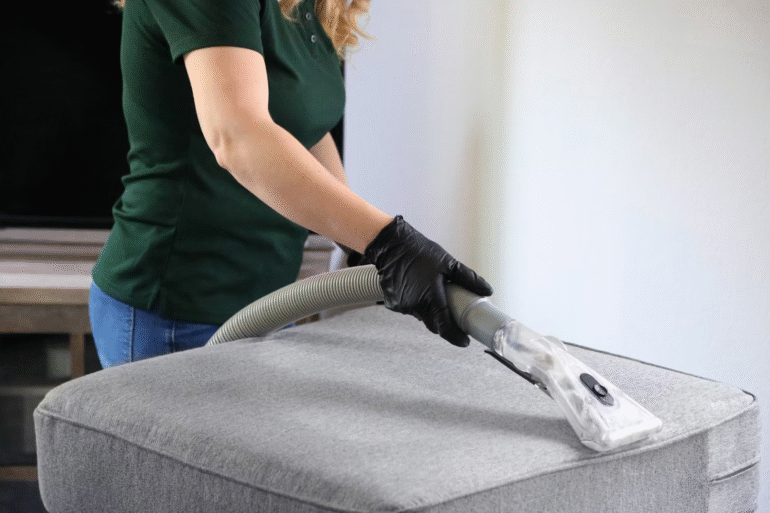
Professional cleaners bring specialized tools, high-quality solutions, and experience that allow them to address tough stains and accumulated dirt without harming the material. They can also treat areas that are difficult to reach, such as under cushions, seams, and crevices, ensuring a more thorough cleaning than home methods typically provide. Scheduling occasional professional cleaning not only refreshes the appearance of your couch but also helps maintain the integrity of its structure and extends its lifespan. Investing in professional care can save money in the long run by preventing the need for repairs or early replacement.
Maintaining a couch requires care, patience, and attention to detail. By avoiding harsh chemicals, excessive water, ignoring instructions, scrubbing too hard, skipping vacuuming, neglecting cushion rotation, and delaying professional cleaning, you can significantly extend the life of your furniture. Thoughtful cleaning habits allow your couch to remain comfortable and visually appealing for years to come.
- Residential Driveway Planning Guide: Materials, Drainage, Installation, and Maintenance - August 20, 2026
- A Flexible Zion National Park Itinerary for Hikers, Families, and Scenic Road Trippers - August 20, 2026
- Persistent Odors Need Source-Level Treatment: FIRESTONE Restoration Provides Professional Ottawa Sanitizing Services - August 20, 2026