
What Causes Sewage Odors in Bathrooms and How to Address Them
Table of Contents
- Dry P-Trap
- Clogged Drains
- Faulty Toilet Seal
- Blocked Vent Pipes
- Bacterial Growth
- Sewer Line Issues
- Poor Ventilation
- When to Call a Professional
Few things are as troubling as walking into your bathroom and being greeted by a foul, sewage-like smell. Not only is such an odor unpleasant, but it can also indicate underlying plumbing concerns that need prompt attention. Unraveling why your bathroom smells like sewage and understanding what to do next can make all the difference in restoring a fresh, clean environment.
Unpleasant bathroom odors aren’t just minor nuisances. Persistent smells can lead to more serious plumbing problems, contribute to poor indoor air quality, and even threaten your family’s well-being. Identifying the source is the first step in finding the right solution for your home.
This article explores the most common reasons your bathroom may smell like sewage, from simple fixes to issues that may require professional intervention. By following these solutions, you can address not only bothersome odors but also safeguard your plumbing system for the long term.
Dry P-Trap
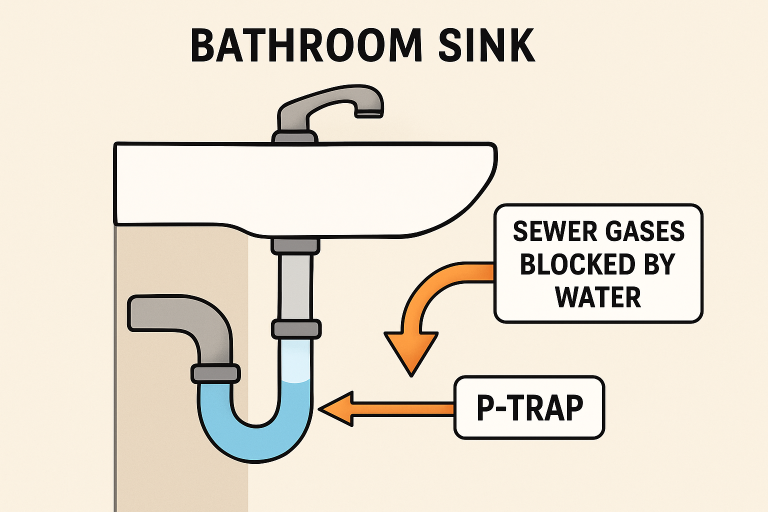
The P-trap is a curved section of pipe beneath bathroom fixtures, designed to hold standing water and block sewer gases from entering your home. If a sink, shower, or floor drain does not get used often, the water in the P-trap can slowly evaporate. As a result, that barrier disappears, allowing foul odors to seep into your bathroom. To solve this problem, run water in all bathroom fixtures periodically, especially in guest or spare bathrooms you rarely use. This simple step refreshes the water barrier and helps keep sewer gases at bay.
Clogged Drains
Blockages of hair, soap scum, toothpaste, and grime can cause nasty odors to emanate from your drain. When a drain is partially blocked, water and organic debris get trapped, creating a breeding ground for odor-causing bacteria. This situation doesn’t just smell bad; it can also cause slow drainage or even more severe plumbing issues if left unattended. Routine cleaning, such as using a drain snake or a homemade baking soda and vinegar mixture, can help break down minor buildup. After treatment, flush the drain with boiling water to help clear the lines. For stubborn or recurring clogs, avoid chemical drain cleaners, which may damage your pipes; consider professional help if the problem persists.
Faulty Toilet Seal
Toilets are sealed to the drainpipes below with wax rings or rubber gaskets to keep water and sewer gases in check. Over time, these seals can degrade, shift, or crack. If you notice persistent odors, water trickling out from around the toilet base, or your toilet rocks when touched, a faulty toilet seal may be to blame. Replacing the wax ring resolves most issues, but this may require removing the toilet and reinstalling it with a fresh seal. While many DIYers can handle a wax ring replacement, don't hesitate to call a plumber if you're unsure or if leaks continue after replacement.
Blocked Vent Pipes
All residential plumbing systems include vent pipes extending from your drains to the roof. These allow sewer gases to vent safely outside, rather than pushing back into your living space. Birds’ nests, debris, or even ice in colder climates can obstruct these vents, trapping gases that will escape back through your drains or toilet. Common warning signs include slow drainage, unexplained gurgling sounds, or sudden odor. Safely clearing blocked vent pipes often requires a professional plumber with specialized tools and expertise, especially if roof access or disassembly is needed.
Bacterial Growth
Bacteria thrive in warm, moist environments, and bathrooms provide ideal conditions for them. Organic matter that gets stuck in areas like the overflow drain of your sink or shower, around old caulking, or within stubborn drain buildup can generate a persistent stench. Cleaning these spots thoroughly with a disinfectant or specialized enzyme-based cleaner can disrupt bacterial colonies and eliminate smells. Where biofilm persists in hard-to-reach spots, additional scrubbing or even replacing certain parts (like old caulking) may be necessary for a truly fresh bathroom.
Sewer Line Issues
One of the most serious reasons your bathroom may smell like sewage is a problem with the main sewer line. Cracks, blockages, or collapses in your home's main sewer line can allow sewage to back up into bathrooms and even cause multiple drains in your home to emit bad smells simultaneously. You may also notice sewage odors outside your home, soggy patches in the yard, or slow drainage throughout the house. Because sewer line damage can rapidly lead to property damage and health hazards, it’s critical to have a professional plumber assess and resolve these problems urgently. Learn about the potential dangers of sewer line damage in this Bob Vila resource.
Poor Ventilation
Bathrooms need fresh air circulation to carry away humidity and odors. Poorly ventilated bathrooms trap both moisture and gases, creating a musty or sewage-like smell over time. Ensure your bathroom exhaust fan is working properly and runs for 15 to 30 minutes after showers and baths, or simply open a window to promote air movement. In humid environments, a dehumidifier or additional ventilation upgrades may help reduce lingering dampness and odor.
When to Call a Professional
If you have addressed all these common sources and your bathroom still smells like sewage, it’s time to contact a qualified plumber. Persistent or widespread odors may signal a hidden leak, deteriorating pipes, a major sewer line issue, or mold growth behind walls or beneath flooring. Licensed professionals use specialized tools to assess and resolve these issues, ensuring your bathroom is safe, hygienic, and pleasant again.
Conclusion
By identifying the root cause of sewage odors in your bathroom and following proven solutions, you can enjoy a fresh, safe, and comfortable space for your family. Acting quickly to address bathroom odors not only protects your health but also prevents lasting structural or plumbing damage to your home.
- Residential Driveway Planning Guide: Materials, Drainage, Installation, and Maintenance - August 20, 2026
- A Flexible Zion National Park Itinerary for Hikers, Families, and Scenic Road Trippers - August 20, 2026
- Persistent Odors Need Source-Level Treatment: FIRESTONE Restoration Provides Professional Ottawa Sanitizing Services - August 20, 2026


