
Understanding the Impact of Speed on Road Safety
Speed feels normal on open roads, but small increases can have big consequences. Higher speeds cut the time you have to react, stretch the stopping distance, and raise the energy of every crash. When we understand how speed changes risk, we can make better choices behind the wheel.

Why Speed Magnifies Risk
Every extra mile per hour multiplies crash energy, which means more force on bodies and more severe injuries. Even when airbags and crumple zones perform well, high energy overwhelms the system and pushes injuries from minor to serious. A national safety institute reported that in 2023, about 29% of U.S. traffic deaths involved speeding, showing how common this factor is.
Drivers also misjudge how fast danger arrives. At higher speeds, a short glance at a sign or mirror covers more distance than you think. By the time a hazard appears, the car may have already eaten up the space you needed to stop.
Speed also widens the range of bad outcomes. A small steering mistake at 30 mph might be a near miss. The same error at 50 mph can spin a vehicle into oncoming lanes or off the road entirely.
How Speed Shapes Crash Outcomes
The physics are simple and unforgiving. Doubling speed roughly quadruples kinetic energy, so the same impact becomes far more violent. If a crash involves a semi, a truck accident lawyer can explain how speed and stopping distance affect liability, medical costs, and insurance disputes. That is why heavy-vehicle speeds get special attention in work zones and on city arterials.
Human limits make the speed problem worse. Reaction time rarely changes, but the distance traveled during that reaction grows with speed. Even skilled drivers cannot out-brake physics when space runs out.
Road surface and weather amplify risk. Wet pavement lengthens braking distance and reduces grip. Darkness cuts sight distance, so hazards show up later and leave less room to act.
What Recent U.S. Data Shows
Nationwide numbers point to progress, but also to a stubborn problem. Recent federal estimates showed overall traffic deaths edging down in 2024. Officials also reported a drop in speeding-related fatalities of about 6%, a reminder that speed enforcement and design changes can move the needle, according to a federal safety agency update.
Those gains are encouraging, yet fragile. Travel patterns, fuel prices, and weather all nudge behavior. If speeds creep up as congestion eases, the benefits can vanish.
Communities that kept speeds in check did more than write tickets. They adjusted signal timing, narrowed lanes, and used targeted messaging. Together, these steps made it easier to choose a safer pace.
The UK Picture
Provisional figures from Great Britain showed a slight year-over-year rise in road deaths in 2024. The headline number moved by about 1%, which may reflect small shifts in exposure or speed on key routes. Analysts watch these changes closely to see where interventions should focus next.
Speed plays a role across road types. Rural A-roads invite higher speeds but have fewer forgiving features. Urban streets bring more conflict points, so even moderate speeding raises the odds of severe harm.
Short-term bumps do not erase long-term goals. Year-to-year noise is common in safety data. What matters is steady pressure on speeds that aligns limits, design, and enforcement.
Everyday Ways To Keep Speed In Check
- Set cruise control slightly under the posted limit on long stretches.
- Build a 3 to 4 second following gap, then add more at night or in the rain.
- Treat yellow lights as a cue to prepare to stop, not speed up.
- Use speed limiters or teen driver settings if your vehicle offers them.
- Choose routes with fewer high-speed arterials during peak times.
- Leave 5 minutes earlier to remove the urge to rush.
Road Design And Technology
Street design often beats signs and slogans. Narrower lanes, raised crosswalks, and tighter corners encourage slower driving without constant policing. When these cues are consistent, drivers settle into a safer pace.
Vehicles bring new tools to the fight. Many cars now read speed limit signs and alert you when you exceed them. Intelligent speed assistance can cap speed to local limits on some models, but it works best when drivers treat it as a partner.
Policy signals matter too. A respected research group has linked speed to a large share of fatalities, and those findings support design-first strategies. When cities align limits with the street feel, compliance goes up, and severe crashes go down.
Small Habits That Change Outcomes
- Scan far ahead and plan early lane changes to avoid last-second moves.
- Keep tires properly inflated to maintain grip and predictable braking.
- In the rain, use gentle pedal inputs and increase following distance.
- At night, dim the cabin and use high beams where legal to see farther.
- On curves, brake before the turn, then maintain a steady speed through it.
- If you feel rushed, pull over, reset, and start again at a calmer pace.
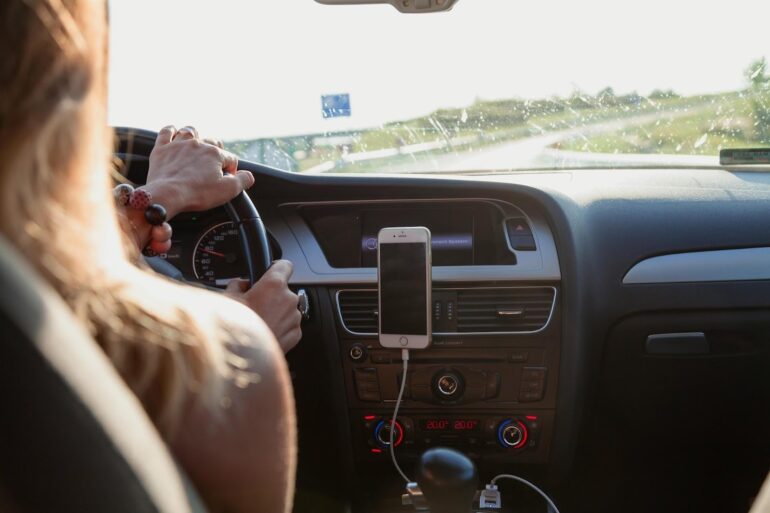
Driving a little slower rarely adds more than a minute or two to a typical trip. That small delay buys back reaction time, shortens stops, and turns scary near misses into forgettable moments. The safest speed is the one that leaves you room to fix mistakes and get home without a story to tell.


