The Science Behind Artificial Turf Installation
Key Takeaways
- Modern artificial turf is designed to closely replicate both the look and resilience of natural grass.
- Mistakes in site preparation and base construction can compromise turf performance and longevity.
- Safe installation takes into account drainage, material safety, and ongoing maintenance.
Artificial turf has rapidly transformed the look and functionality of residential landscapes, school grounds, and major sports facilities. Its blend of advanced materials and engineering creates a surface that not only simulates the vibrant aesthetics of natural grass but also delivers superior durability and ease of care. If you have been considering artificial turf Grapevine, understanding the technical foundations of synthetic turf installation is essential for maximizing both beauty and performance.
By exploring the science and best practices behind the process, homeowners, landscapers, and facility managers can ensure that every stage—from ground preparation to final infill—produces a safe, sustainable, and long-lasting surface. Artificial turf systems have become a beacon of innovation, providing green landscapes where traditional grass might struggle due to climate, heavy use, or maintenance requirements.
The installation process not only requires careful selection of turf materials but also expertly addresses environmental and health requirements, which is why trusted installation methods remain a top priority for both public and private spaces. Recent advances in materials science have further enhanced the realism of synthetic turf, addressing concerns such as heat, safety, and environmental impact.
Materials and Composition
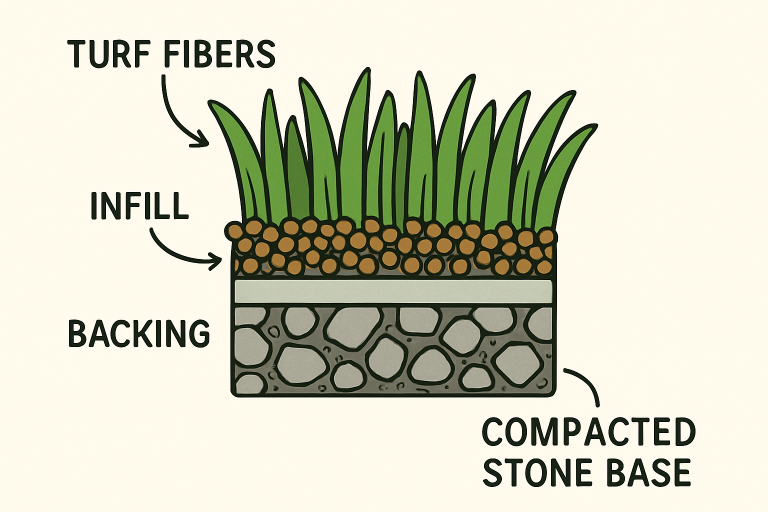
Artificial turf is comprised of several engineered layers, each serving a unique purpose. The visible grass blades are usually made from polyethylene or polypropylene, renowned for their flexibility, color fastness, and durability under foot traffic and UV exposure. Backing layers, often crafted from polyurethane, provide structural stability and support for fiber anchoring.
An essential component is the infill, which helps keep turf blades upright and enhances the cushioning of the playing or walking surface. Infill can be made from various materials, including silica sand, crumb rubber, or organic alternatives. Each type is evaluated for safety, performance, and environmental impact, ensuring that users enjoy a comfortable and secure experience.
Site Preparation
Preparing the ground is one of the most critical steps. Installation begins with excavation, removing existing vegetation and soil to a specific depth to accommodate the multiple turf layers. Grading follows, utilizing specialized tools to achieve a smooth, graded surface that replicates both the appearance and resilience of natural grass. This is accomplished by closely compacting the soil with mechanical rollers to prevent future settling or unevenness. Sub-par site preparation can result in drainage issues or turf shifting, so precision and cleanliness here are non-negotiable for a successful installation. According to The New York Times, experts often cite good drainage and solid compaction as factors that extend the lifespan of artificial turf fields and minimize maintenance complications.
Base Construction
The base is the foundation upon which the entire system's longevity depends. This typically involves spreading a layer of crushed stone or gravel, carefully graded and compacted for maximum permeability and stability. A well-constructed base ensures effective water drainage, frost resistance, and surface integrity, protecting the turf from shifting or warping over time.
Turf Installation
The installation of artificial turf is a multi-step process designed for accuracy and durability. First, the turf rolls are unrolled and allowed to acclimate to the site’s environment. This prevents wrinkles and shrinkage. The edges are trimmed using sharp carpet knives so each piece fits precisely within the designated layout, especially along walkways and borders.
Seaming involves aligning adjacent turf rolls and bonding them together with specialized adhesive or seam tape to create invisible lines. The final step is to secure the turf with anchors or staples along the borders, keeping the synthetic surface in place even under heavy use and changing weather conditions.
Infill Application
Infill is crucial for the finished turf’s firmness, resilience, and realism. It is carefully distributed and brushed into the turf fibers, helping them stand upright and providing extra cushion for activity. Some types of infill are designed to cool the turf, addressing one common drawback—heat retention—identified in environmental studies and discussed by sources like Scientific American. Modern infills also incorporate antimicrobial properties to inhibit the growth of bacteria and mold.
Environmental Adequate Considerations
Concerns surrounding artificial turf have shifted in recent years from aesthetic concerns to environmental and health risks. Certain crumb rubber infills have been scrutinized due to concerns about potentially hazardous chemicals. Ongoing research and regulation updates continue to guide the industry toward safer and more environmentally friendly materials. The importance of selecting quality materials is supported by recent regulatory recommendations and news articles from leading publications, including recent discussions in the Los Angeles Times on California's evolving policies.
Maintenance Practices
Routine care helps protect your artificial turf investment by keeping the surface clean, safe, and vibrant. Tasks include regular brushing to maintain the upright position of the fibers, removing organic and synthetic debris, and periodically topping off infill levels to offset material loss due to weather or play. Periodic inspections also help catch minor issues early, preventing costly repairs or replacements.
Conclusion
Artificial turf installation is a synergistic blend of science, engineering, and responsible stewardship. By appreciating each layer and every step, from base preparation to infill selection and ongoing maintenance, users can achieve a lush, resilient surface that looks outstanding year-round and withstands real-world demands. Informed decisions and skilled installation are crucial for long-term satisfaction, safety, and environmental responsibility.
- Residential Driveway Planning Guide: Materials, Drainage, Installation, and Maintenance - August 20, 2026
- A Flexible Zion National Park Itinerary for Hikers, Families, and Scenic Road Trippers - August 20, 2026
- Persistent Odors Need Source-Level Treatment: FIRESTONE Restoration Provides Professional Ottawa Sanitizing Services - August 20, 2026