
Simple Steps For Smart Education Savings Withdrawals
Table of Contents
- Why Planning Withdrawals Matters
- Withdrawal Rules Made Easy
- What to Know About Taxes
- The Best Time to Withdraw
- Common Mistakes to Avoid
- Finding Expert Support
- Real-World Examples
- Staying on Track for the Long Term
Why Planning Withdrawals Matters
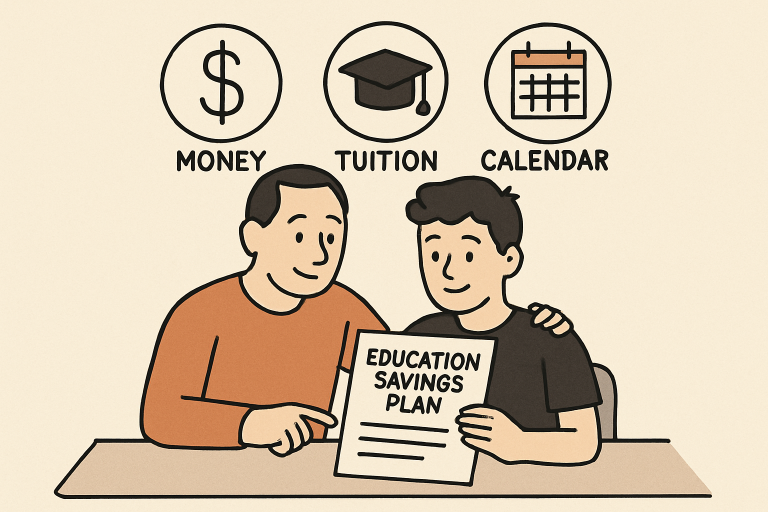
Education savings plans are crucial for families planning for their child’s academic future. However, the real value comes not just from saving, but also from the thoughtful and strategic use of those savings. Planning withdrawals helps reduce anxiety and ensures funds are available for various education costs. By aligning withdrawals with your child’s evolving educational needs, you increase the chances that your savings will go the distance. For a straightforward guide to the process, the RESP withdrawals resource provides practical steps to starting, managing, and optimizing your withdrawals effectively.
Without a well-considered withdrawal plan, families risk depletion of funds before a student’s graduation or missing out on key benefits—such as tax savings and government grants. Strategic withdrawal planning helps you stretch every education dollar, keeps you in compliance with account rules, and maximizes the impact of your savings. According to the Government of Canada’s education savings plan overview, a carefully crafted withdrawal plan ensures your resources are there when you need them most.
Withdrawal Rules Made Easy
Each education savings plan, including RESPs and other specialized accounts, has its own rules governing how and when you can withdraw funds. To make the process smoother, it’s essential to know these basics: most plans permit withdrawals for post-secondary expenses, including tuition, textbooks, supplies, and living costs. However, there are specific limits on how much you can take out per year for different types of withdrawals, and it’s essential to keep thorough documentation for all eligible expenses. For Canadian students, knowing the distinction between Educational Assistance Payments (EAPs) and refund of contributions is vital—EAPs cover educational costs, while withdrawals of your original contributions are tax-free.
By familiarizing yourself with your plan’s guidelines early on and understanding what counts as a qualified withdrawal, you’ll avoid penalties, forfeitures of government incentives, or unexpected tax bills. This knowledge provides peace of mind and keeps your financial plan on track, making higher education more affordable in the long run.
What to Know About Taxes
One of the most misunderstood aspects of education savings withdrawals is their impact on taxes. The tax implications largely depend on who receives the withdrawn funds and whether the money is from your contributions, earnings, or government grants. When funds classified as Educational Assistance Payments (EAPs) are paid to a student, they are taxed by the student, who is often in a lower tax bracket. This can mean little to no tax is owed, turning tax-advantaged plans into an even better resource for families. However, failing to follow proper reporting or taking withdrawals in the wrong name can lead to unexpected tax liabilities, so careful planning is essential.
The Best Time to Withdraw
Knowing when and how often to withdraw from an education savings account is as essential as understanding the basics. Withdrawing too much, too early might leave you short on funds in later semesters, while waiting too long can result in lost grant opportunities or unused funds. Experts generally recommend reassessing your withdrawal plan each academic year to adjust for changes in tuition, living costs, or unexpected expenses. This flexibility allows you to maximize the benefits of your account and ensure consistent support throughout your child’s education.
If you’re looking for additional financial strategies related to education funding, Investopedia’s guide to education savings accounts provides comprehensive information for families at any stage of the planning process.
Common Mistakes to Avoid
- Withdrawing more than required for eligible expenses can lead to excess taxes and loss of grant money.
- Failing to keep accurate receipts and documentation makes it hard to prove the intended use of funds, risking penalties.
- Not fully understanding your specific plan’s withdrawal rules may result in missed benefits or delays.
- Ignoring the potential tax impact of withdrawals or withdrawing in a higher income year can reduce overall savings.
- Not updating your strategy as tuition and living costs change may strain your budget in the final school years.
Being aware of and avoiding these pitfalls will help you get the most from your education savings, making each dollar count toward your child’s success.
Finding Expert Support
Managing education savings and withdrawals can be overwhelming, particularly regarding tax rules and annual changes in expenses. Financial advisors and educational savings specialists are invaluable partners for families navigating complex scenarios such as multi-student households, cross-border education, or exceptional circumstances. Don’t hesitate to consult trustworthy experts or tap into online calculators, planning tools, and official government resources to ensure you’re making the most informed decisions. For more resources, the Government of Canada provides detailed information on RESP guidelines and tax considerations.
Real-World Examples
Example 1: Gradual and Planned Withdrawals
A family with a well-laid financial plan schedules withdrawals over the four years of their child’s university education. By keeping receipts, tracking eligible expenses, and consulting a financial advisor each year, they optimize the use of their plan. This proactive approach enables them to pay for all education costs without breaking tax rules or facing a cash crunch in the final year.
Example 2: Lump Sum and Budgeting Consequences
In another scenario, a student withdraws a large lump sum during the first school year to cover a new laptop and unexpected costs. By not matching withdrawals to annual needs, they deplete their account quickly and are forced to take on additional student loans in later years. This underscores the value of pacing withdrawals and updating plans as circumstances evolve.
Staying on Track for the Long Term
Success with education savings plans comes from consistency, flexibility, and ongoing attention. As your child moves through each academic year or as your family’s circumstances change, it’s essential to revisit and revise your withdrawal plan. This includes reviewing tuition fees, rethinking living expense budgets, and recalibrating based on available funds. By staying engaged and informed, you can make every dollar of your education savings count—helping your child achieve their academic dreams without unnecessary financial stress.
- Understanding Plumbing Challenges and Solutions in Rogers, Arkansas - July 24, 2026
- Dental Implants in Rapid City, SD: Restoring Smiles for the Community - July 24, 2026
- Innovative Vision Solutions for the Modern Era - July 22, 2026


