Modern Roof Maintenance Tips for All Seasons
Key Takeaways
- Routine inspections are crucial for detecting roof issues early.
- Each season presents unique maintenance challenges and solutions.
- Proper attic insulation and ventilation are essential for maintaining roof health and achieving optimal energy efficiency.
- Addressing small problems immediately can help prevent expensive repairs down the road.
Every homeowner understands the importance of a strong, reliable roof, but keeping it in top condition requires year-round attention. Whether you're dealing with harsh Chicago winters, Midwest storms, or the beauty—and mess—of autumn leaves, proactive maintenance is essential. By following industry-approved practices, you can protect your investment and extend the life of your roof. For hands-on help, consider exploring residential roofing services in Chicago for professional guidance and support.
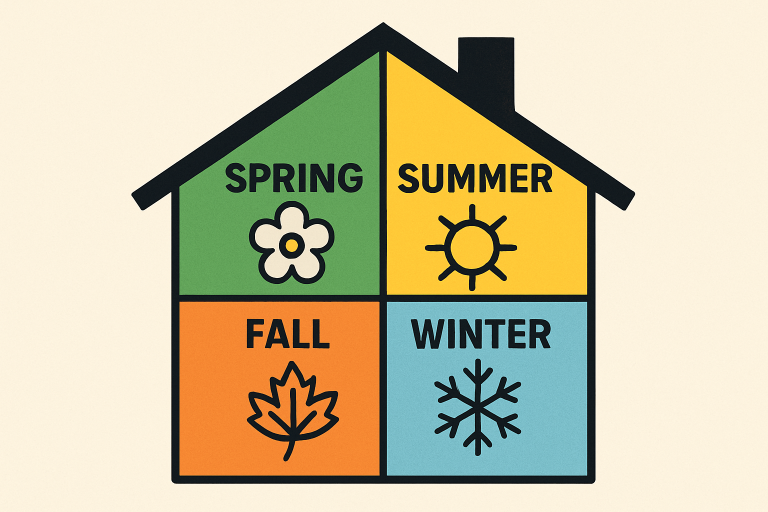
The best roof maintenance program adapts to seasonal challenges, including the spring thaw, summer heat, autumn debris, and winter’s snow and ice. Implementing a regular schedule of inspections, cleanings, and repairs helps avoid major issues—and costly surprises. Understanding each season’s specific demands will help you prevent roof problems, ensuring your home remains comfortable and secure throughout the year.
Spring: Post-Winter Recovery
Spring is the perfect time to inspect your roof for any damage incurred during winter thoroughly. Heavy snow, ice, and fluctuating temperatures can all take their toll, often resulting in missing or loose shingles, damaged flashing, or leaks. Early spring inspections should prioritize these common trouble spots—particularly around chimneys, vent pipes, and skylights.
Equally important is cleaning your gutters and downspouts, as winter debris can quickly clog them once snow starts to melt. Blocked gutters allow water to pool, threatening both your roof structure and your home’s foundation. While cleaning, ensure that gutters and drains are firmly attached and in good repair, to ensure water is efficiently guided away from your home.
Addressing any issues uncovered during these inspections is crucial. If you encounter problems beyond your skill set, don’t hesitate to consult an expert roofer. Acting swiftly can prevent minor concerns from escalating into costly, extensive repairs.
Summer: Heat and Storm Preparedness
With temperatures climbing, your roof faces the twin challenges of heat and sudden summer storms. High heat can accelerate the aging of shingles by causing them to expand, crack, or warp. Keeping your attic properly ventilated is essential. Good ventilation minimizes heat buildup, reducing stress on roofing materials and improving energy efficiency.
Summer storms can bring driving rain and high winds. Trim back tree branches hanging over your home so falling limbs don’t cause punctures or dislodge shingles. After any severe weather, inspect your roof and attic for signs of leaks or damage, paying close attention to the roof edges and around any penetrations, such as pipes or vents.
Proactive Maintenance for Summer
- Check attic insulation and ventilation systems for optimal performance.
- Reinforce loose or curled shingles before storm season.
- Clean out gutters and downspouts again after early summer storms.
- Schedule a professional inspection if your area experiences hail or high winds.
Fall: Pre-Winter Preparation
Autumn’s falling leaves may look lovely, but they can quickly cover roofs and clog gutters, leading to moisture retention and fostering the growth of rot or mold. Removing leaves, dirt, and debris from roof surfaces and drainage systems is a must. Gutter guards may be a wise investment to reduce your maintenance workload.
As you prepare for winter, conduct a comprehensive inspection of shingle integrity. Look for cracked, curled, or missing shingles—these need repair before snow and ice arrive. Also, evaluate the seals around roof elements, such as skylights and vent pipes, to prevent leaks when snow melts or ice dams form.
Winter: Snow and Ice Management
Winter brings unique hazards, including heavy snow, ice dams, and freezing temperatures. Accumulating snow on rooftops can add significant weight, posing a risk of structural strain or collapse. It’s best to use a roof rake to safely clear excess snow from the roof’s edge, reducing load and minimizing the chance of ice dam formation.
Ice dams occur when warm attic air melts the snow on the roof, which then refreezes at the eaves, blocking the gutters and forcing water under the shingles. To prevent this, ensure your attic is thoroughly insulated and ventilated, which will maintain a more consistent roof temperature and reduce the frequency of melt/refreeze cycles.
Year-Round Maintenance Tips
Beyond seasonal adjustments, certain maintenance routines are applicable year-round. Make it a habit to visually inspect your roof every couple of months, especially after severe weather. Check for signs of missing, broken, or worn shingles, rusted flashing, mildew, or pools of water. Promptly address any issues to prevent them from escalating over time.
Keep trees trimmed to prevent fallen limbs or excessive debris, and ensure that downspouts consistently channel water away from your foundation. Staying proactive throughout the year not only wards off major repairs but also helps maintain your home’s overall value and safety.
When to Call a Professional
Some roofing issues demand expert attention. Certified professionals are best equipped to address large areas of damage, persistent leaks, or any structural concerns. Attempting complex repairs yourself can be risky and may void roof warranties. Regular professional roof inspections, conducted at least once every few years, are a valuable investment in home security and peace of mind, as they help you identify problems before they escalate.
By following these modern roof maintenance strategies for every season, you’ll keep your roof—and your home—protected, safe, and in excellent condition all year round.
- Residential Driveway Planning Guide: Materials, Drainage, Installation, and Maintenance - August 20, 2026
- A Flexible Zion National Park Itinerary for Hikers, Families, and Scenic Road Trippers - August 20, 2026
- Persistent Odors Need Source-Level Treatment: FIRESTONE Restoration Provides Professional Ottawa Sanitizing Services - August 20, 2026