Modern Mountain Home Floor Plans: Blending Design with Nature
Key Takeaways
- Thoughtful floor plans enhance the connection between indoor spaces and natural surroundings.
- Designing for steep terrains requires innovative solutions like split-level layouts.
- Open-concept designs and large windows maximize natural light and scenic views.
- Incorporating sustainable materials and energy-efficient features is essential for modern mountain homes.
Table of Contents
- Importance of Floor Plans in Mountain Homes
- Designing for Steep Terrain
- Open-Concept Designs and Natural Light
- Sustainable Materials and Energy Efficiency
- Case Study: Modern Mountain Home in Idaho
- Emerging Trends in Mountain Home Design
- Conclusion
Modern mountain homes are celebrated for their unique marriage of contemporary aesthetics and the raw, rugged beauty of wilderness settings. Floor plans are pivotal in shaping this relationship, dictating not just how spaces flow but how residents interact with their stunning surroundings. For buyers seeking a fresh approach to mountain living, exploring new ski residences for sale in Park City, Utahis an excellent way to discover floor plan innovations that make the most of scenic vistas and natural light.
In mountain environments, well-conceived floor plans enhance the day-to-day experience by thoughtfully integrating living spaces with panoramic landscapes. Whether the goal is to capture majestic views from every window or to maximize comfort through energy-efficient design, the right floor plan turns a mountain house into a harmonious and inspiring home.
Importance of Floor Plans in Mountain Homes
In mountainous settings, the floor plan is more than just a blueprint for living; it is a framework that governs the relationship between the indoors and the awe-inspiring natural world just beyond the walls. Strategically positioned rooms can capture sunrise or sunset views, while thoughtfully arranged common areas encourage gatherings around windows that frame the landscape. The orientation and layout of living, dining, and entertaining spaces help establish a daily rhythm rooted in nature, setting the stage for a tranquil, restorative homeowner experience.
Designing for Steep Terrain
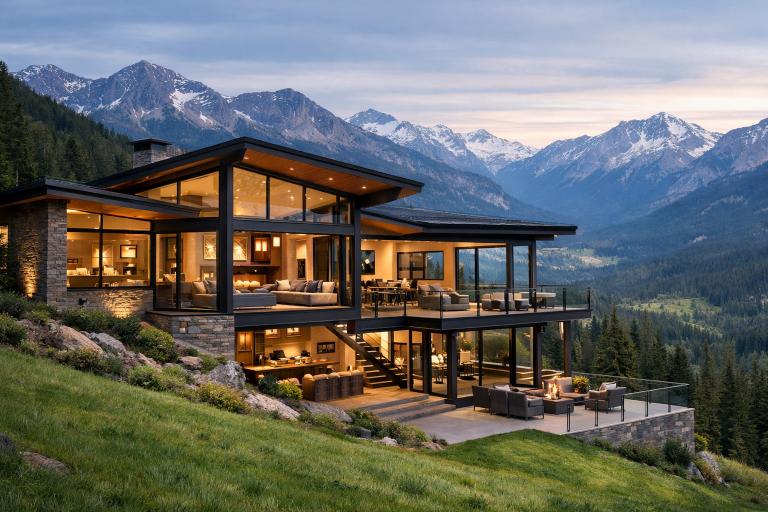
Building on rugged ground often comes with obstacles but also opportunities for creative solutions. Split-level homes, staggered foundations, and terraced outdoor spaces are all responses to steep mountain lots. These floor plans allow the house to adapt organically to the natural grade, minimizing disruption to the ecosystem and reducing costly grading. This method also produces distinctive interior spaces that feel connected yet separated, maximizing vistas and privacy simultaneously. For more on how terrain influences architecture, see Architectural Digest's design features.
Creative approaches to challenging terrain can also increase a home's energy efficiency, as earth-sheltered lower levels or integrated retaining walls can provide insulation during cold, snowy mountain winters.
Open-Concept Designs and Natural Light
Open-concept living has become a hallmark of modern mountain homes, helping small or irregularly shaped lots feel expansive and luxurious. By eliminating unnecessary walls and employing flexible, multi-purpose spaces, these floor plans capture more daylight and unify social activities. Oversized windows and sliding glass doors effortlessly bring the outdoors in, while also making the most of high-altitude sunshine. Incorporating clerestory or floor-to-ceiling glazing can dramatically brighten interiors, reducing the need for artificial lighting and allowing owners to appreciate the landscape in every season.
The seamless connection between shared living areas and private retreats, such as bedrooms or home offices, supports not only family togetherness but also essential moments of solitude. For further inspiration, Houzz has an excellent gallery of open-concept mountain homes that illustrate these principles in action.
Sustainable Materials and Energy Efficiency
In mountain environments, sustainability is a top priority for discerning homeowners. Choosing locally sourced timber, natural stone, and low-VOC finishes not only reduces environmental impact but also connects the architecture to its regional heritage. Energy-efficient floor plans frequently feature passive solar orientation, enhanced insulation, and high-performance windows to achieve comfort without sacrificing views. Modern mountain dwellings are increasingly equipped with heat recovery ventilation, smart thermostats, and solar panels for year-round efficiency.
Case Study: Modern Mountain Home in Idaho
A compelling example of successful mountain home design is a 6,500-square-foot property in Idaho that forgoes modern clichés in favor of enduring appeal. Rather than relying on stark minimalism or ultra-rustic motifs, this home draws inspiration from the American West, using intimate, well-scaled rooms to create welcoming atmospheres. The floor plan underscores the importance of “home” as a refuge; each area invites family gatherings, quiet reflection, or connection to the outdoors.
Emerging Trends in Mountain Home Design
As homeowner needs and lifestyles continue to evolve, so too do the trends in mountain home design. Flexible floor plans are gaining traction, offering adaptable spaces that can transition from a home office to a guest room or from a playroom to a fitness studio. Privacy is balanced with connectivity; secondary suites and bunk rooms allow for large gatherings, while secluded nooks give family members a retreat for individual pursuits. Material palettes are also shifting, with textured concrete, living roofs, and mixed metals providing a modern twist on timeless styles. The integration of technology, from whole-house automation to robust internet connectivity, ensures that even remote retreats remain functional and comfortable in every season.
Conclusion
The best modern mountain home floor plans demonstrate a clear awareness of their context, drawing from the landscape and the needs of their inhabitants to create environments that are connected, sustainable, and awe-inspiring. From thoughtful layouts that honor the beauty of steep terrain to sustainable building methods, the ideal mountain retreat is defined by how well it harmonizes architecture and nature. By focusing on these guiding design principles, homeowners and builders can create lasting spaces that feel rooted in their environments and attuned to the rhythms of mountain living.
- Understanding Plumbing Challenges and Solutions in Rogers, Arkansas - July 24, 2026
- Dental Implants in Rapid City, SD: Restoring Smiles for the Community - July 24, 2026
- Innovative Vision Solutions for the Modern Era - July 22, 2026