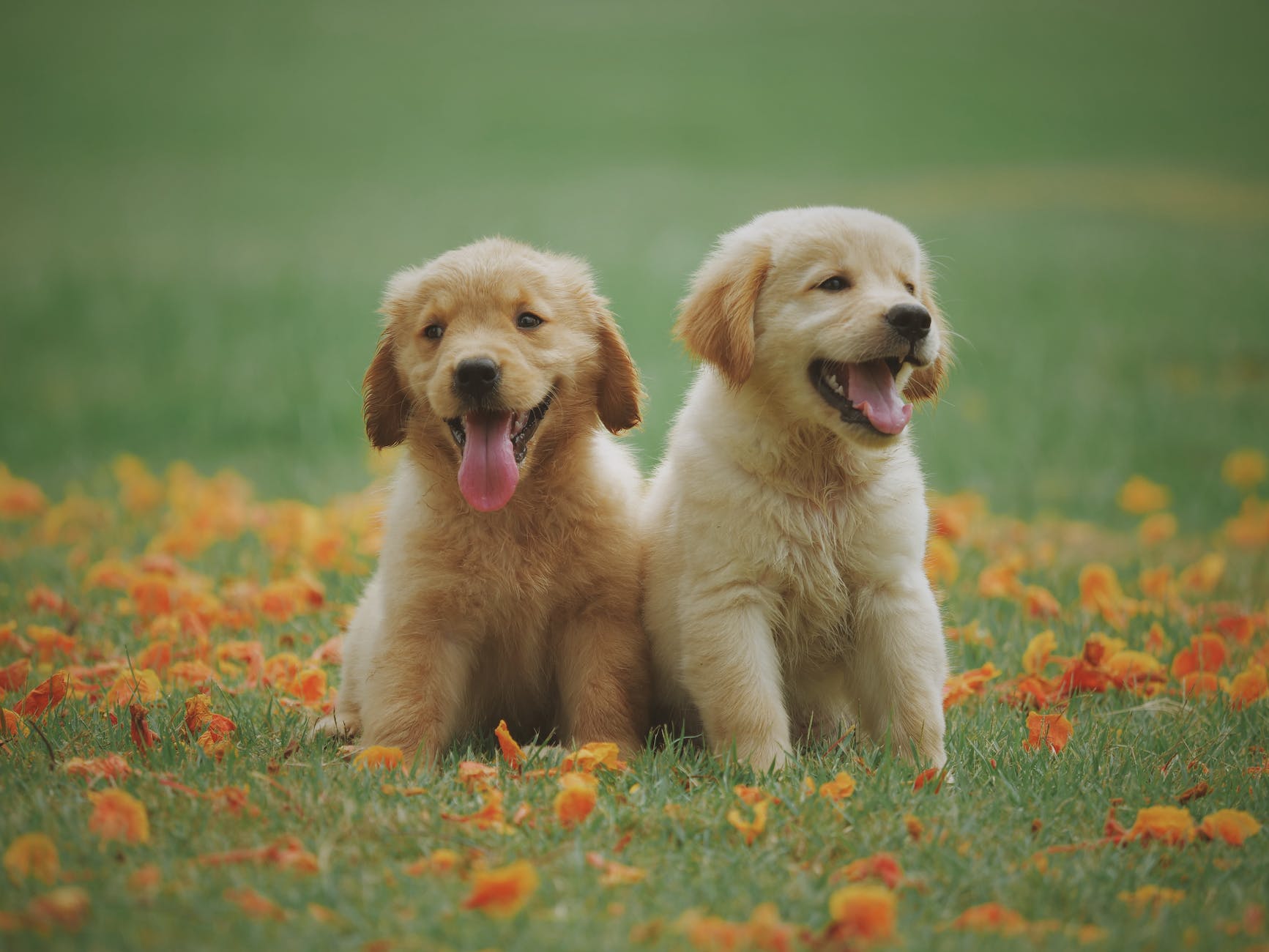
Is Your Dog Smart? Here’s How to Tell

Firstly, it's important to understand that intelligence in dogs can be measured in different ways, just as it can in humans. For example, some researchers measure intelligence by testing a dog's ability to learn and remember commands or tricks, while others measure it by assessing problem-solving skills or social intelligence.
One popular method of testing a dog's intelligence is the “Canine IQ Test,” developed by Stanley Coren, a professor of psychology at the University of British Columbia. This test involves a series of exercises designed to measure a dog's cognitive abilities in different areas, such as problem-solving, memory, and spatial awareness.
Another way to determine your dog's intelligence is through observation. Pay attention to how your dog behaves in different situations and environments. Does your dog seem to learn quickly and remember commands easily? Does your dog show curiosity and interest in new objects and environments? Does your dog display problem-solving skills, such as figuring out how to open a door or get a toy out of reach?
Some Signs that your Dog Might Be Smart:
Out of all the intelligent animal species, dogs are indeed smart. Here are a few signs that can help you tell if your dog might be smart.
Quick Learner
If your dog can learn new commands and tricks quickly, that's a good indication of intelligence. Dogs that can learn commands after only a few repetitions are often considered more intelligent than those that take longer to learn.
Good Memory
If your dog can remember commands and tricks taught weeks or months ago, that's a sign of a good memory. Dogs that can remember commands even after extended periods are often considered more intelligent than those that forget them quickly.
Curiosity
If your dog is interested in new objects, people, and environments, that's a sign of curiosity, which is associated with intelligence. Dogs that are curious about their surroundings are often more intelligent than those that are not.
Problem-Solving Skills
If your dog can figure out how to solve problems, such as opening a door or getting to a toy that's out of reach, that's a sign of intelligence. Dogs that can solve problems quickly and efficiently are often considered more intelligent than those that struggle to figure things out.
Social Intelligence
If your dog can understand and respond to human emotions and cues, that's a sign of social intelligence. Dogs that are good at reading human emotions and body language are often considered to be more intelligent than those that are not.
Adaptability
If your dog can adapt quickly to new situations and environments, that's a sign of intelligence. Dogs that can adjust to changes in their surroundings without becoming anxious or fearful are often considered to be more intelligent than those that struggle with change.
Playfulness
If your dog is playful and enjoys interactive games and toys, that's a sign of intelligence. Dogs that are curious and enjoy playing with toys that challenge their problem-solving skills are often considered more intelligent than those not interested in playing.
It's important to remember that every dog is unique and has its own strengths and weaknesses. While some dogs may excel in certain areas, they may struggle in others. Additionally, some breeds are generally considered to be more intelligent than others based on their ability to learn and perform tasks. For example, Border Collies, Poodles, and German Shepherds are often considered to be among the most intelligent dog breeds.
Tips to Make your Dog Smarter
Dogs are incredibly intelligent animals that can learn various tricks and commands. Caring for and training your dog can be a fun and rewarding experience for both you and your furry friend. Here are some tips to help make your dog smarter:
Positive Reinforcement Training
Positive reinforcement training is one of the most effective ways to train your dog. This means rewarding your dog for good behavior rather than punishing them for bad behavior. When your dog does something right, give them a treat or lots of praise to let them know they're doing a good job.
Consistency
Consistency is key when it comes to training your dog. Use the same rewards and commands every time you train your dog, and stick to a regular training schedule. This way, your dog will better understand what you are asking of them, making for a more effective training.
Socialization
Socializing your dog is important for their mental and emotional development. Make sure to expose your dog to different environments, people, and other dogs to learn how to interact with the world around them. This will help them become more confident and well-adjusted.
Mental Stimulation
Like humans, dogs need mental stimulation to keep their minds active and engaged. So provide your dog with puzzles, games, and toys that challenge their problem-solving skills and keep them mentally stimulated.
Exercise
Exercise is essential for your dog's physical and mental health. So take your dog on regular walks or runs, play fetch, or take them to a dog park to give them a chance to burn off energy and stay active.
Training Classes
Enrolling your dog in training classes can be a great way to improve their intelligence and obedience. These classes will allow you and your dog to learn new skills and work on problem behaviors with the guidance of a professional trainer.
Teach New Commands
Dogs can learn a wide variety of commands beyond basic obedience. Teach your dog new tricks like rolling over, playing dead, or giving you a high five. This will not only make your dog more intelligent, but it will also provide mental stimulation and strengthen the bond between you and your dog.
Challenge them
As your dog becomes more proficient in their training, it's important to continue challenging them to learn new things. This will help them continue to grow and develop their intelligence. For example, try teaching your dog to differentiate between different toys or objects or work on advanced obedience commands like off-leash training.
Patience
Finally, it's important to be patient when training your dog. Learning takes time, and every dog is different. Don't get discouraged if your dog doesn't pick up on something immediately. With consistent training and patience, your dog will continue to grow and develop their intelligence over time.
Final Thoughts
In conclusion, several ways to determine if your dog is smart include testing their cognitive abilities, observing their behavior, and looking for specific signs of intelligence. If you're unsure about your dog's intelligence, consulting with a veterinarian is always a good idea.
There are many things you can do to help make your dog smarter. Positive reinforcement training, consistency, socialization, mental stimulation, exercise, training classes, teaching new commands, challenging them, and patience are all important factors in developing your dog's intelligence. Remember to have fun and enjoy training your furry friend; you'll reap the rewards of a well-trained and intelligent dog.
- Understanding Plumbing Challenges and Solutions in Rogers, Arkansas - July 24, 2026
- Dental Implants in Rapid City, SD: Restoring Smiles for the Community - July 24, 2026
- Innovative Vision Solutions for the Modern Era - July 22, 2026