Interested in Solar Panels? Here’s What You Should Understand
Solar energy is rapidly gaining popularity as a viable and sustainable solution for powering homes and businesses. As concerns about climate change and rising energy costs grow, many people are turning to solar panels as an alternative to traditional energy sources. Solar panels harness the power of the sun to generate electricity, offering both environmental and financial benefits. However, before leaping solar energy, it’s crucial to understand how solar panels work, their benefits, potential drawbacks, and the factors that influence their installation and performance. This guide provides a comprehensive overview to help you make an informed decision about whether solar panels are the right choice for you.
Understanding How Solar Panels Work
Solar panels convert sunlight into electricity using photovoltaic (PV) cells. These cells are made from semiconductor materials, usually silicon, which absorb photons from sunlight and release electrons. This process generates an electric current, which is then captured and converted into usable electricity. Solar panels are typically installed on rooftops or other sunny locations where they can receive maximum exposure to sunlight. The efficiency of solar panels depends on factors such as the angle of installation, shading, and the quality of the panels themselves. Understanding these basics can help you better appreciate the technology behind solar panels and how they contribute to generating clean energy.
Understanding Installation and Maintenance
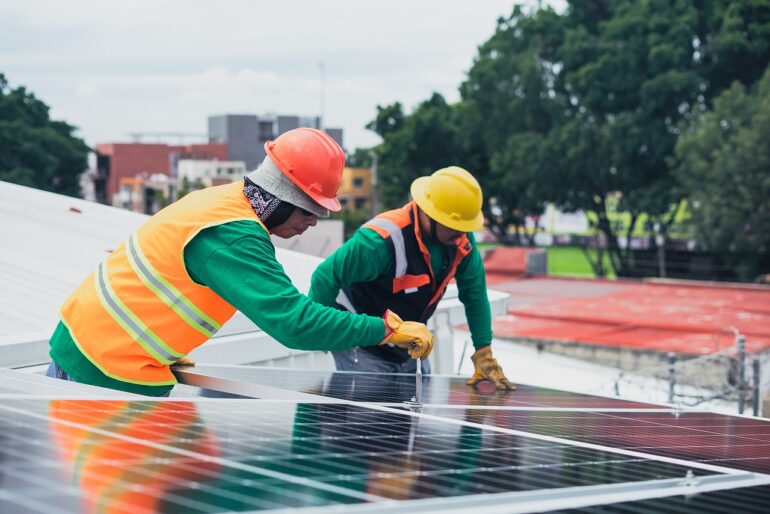
The installation of solar panels is a complex process that requires professional expertise. A certified solar installer will handle the entire process, including obtaining necessary permits, mounting the panels, and connecting them to your electrical system. Whether you are looking for a solar panel installation in Perth or any other city, it’s important to work with a reputable installer who has experience and positive reviews. Maintenance of solar panels is generally minimal, as they have few moving parts and are designed to withstand various weather conditions. Regular cleaning and occasional inspections are typically sufficient to keep your system in good working condition. Monitoring your system’s performance can help identify any issues early and ensure that your panels are operating at peak efficiency.
Benefits of Installing Solar Panels
The advantages of installing solar panels extend beyond just reducing your electricity bills. One of the primary benefits is the environmental impact. Solar energy is a renewable resource that produces no greenhouse gas emissions, making it a cleaner alternative to fossil fuels. By using solar power, you contribute to the reduction of your carbon footprint and support the transition to a more sustainable energy future. Additionally, solar panels can increase the value of your property. Many homebuyers are attracted to energy-efficient features, and solar panels can make your property more appealing in the real estate market. Furthermore, solar panel systems can provide energy independence, reducing your reliance on the grid and protecting you from fluctuating energy prices.
Financial Considerations and Incentives
The cost of installing solar panels has decreased significantly over the past decade, making it a more accessible option for homeowners. However, the initial investment can still be substantial. It’s important to consider the long-term financial benefits, including potential savings on your electricity bills and the return on investment (ROI) you can expect. Various incentives and rebates are available to offset the cost of installation. Federal tax credits, state and local incentives, and utility rebates can significantly reduce the upfront costs of solar panel systems. Additionally, some financing options, such as solar loans and leases, can make solar energy more affordable. Researching and understanding these financial incentives can help you make a cost-effective decision and maximize the benefits of your investment.
Evaluating Your Home's Solar Potential
Before installing solar panels, it’s essential to evaluate your home’s solar potential. Several factors can affect the efficiency of solar panels, including the amount of sunlight your location receives, the angle and orientation of your roof, and potential shading from trees or nearby buildings. A professional solar installer can conduct a site assessment to determine the best placement and configuration for your solar panels. They will also evaluate your roof’s condition to ensure it can support the installation. Additionally, assessing your energy needs and consumption patterns can help determine the size and capacity of the solar panel system required to meet your needs. Proper evaluation ensures that your solar panel system will be effective and efficient in generating the desired amount of electricity.
Choosing the Right Solar Panel System
Selecting the right solar panel system involves choosing between different types of panels and technologies. Monocrystalline panels, known for their high efficiency and sleek appearance, are made from a single crystal structure and typically offer the best performance. Polycrystalline panels are made from multiple crystal structures and are generally less expensive but slightly less efficient. Thin-film panels, which are lightweight and flexible, offer versatility but may have lower efficiency compared to crystalline panels. In addition to panel type, consider the warranty and lifespan of the panels, as well as the reputation of the manufacturer and installer. A well-chosen solar panel system will ensure reliable performance and long-term satisfaction.
Solar panels offer a range of benefits, from environmental advantages to financial savings and energy independence. By understanding how solar panels work, evaluating your home’s solar potential, and considering the various financial and technological factors, you can make an informed decision about whether solar energy is right for you. As you explore the possibilities of solar power, remember to research thoroughly, consult with professionals, and stay updated on industry advancements. Embracing solar energy can be a significant step toward a more sustainable and cost-effective energy solution.
- How To Compare Honolulu Neighborhoods by Commute, Cost, and Daily Life - October 28, 2026
- How to Make a Clinton Walk-In Urgent Care Request - October 28, 2026
- Water-Wise Lawns in Bowling Green, OH: A Seasonal Guide to Healthier Yards With Less Waste - October 28, 2026