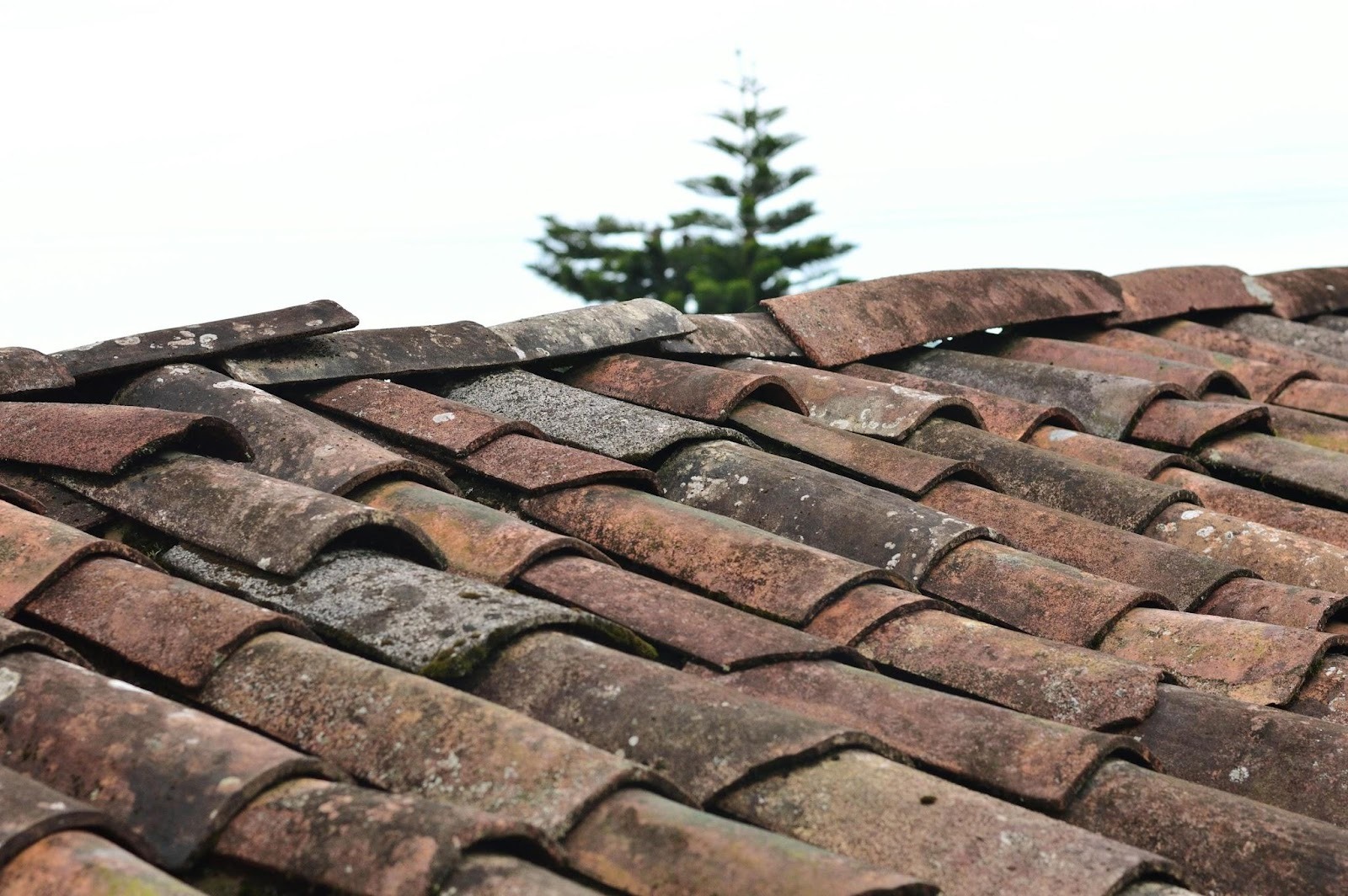
How You Can Balance the Charm of a Historic Home with Modern-Day Comforts
There’s something truly special about owning a historic home. Just think about it: there’s the character, the craftsmanship, and the feeling that these walls have seen more than we ever will. It’s a type of charm that’s hard to replicate. But as much as everyone loves the quirks, anyone who’s lived in an old house knows that those charming little “features” can become frustrating fast.
That sounds surprising, right? Well, just think about it: there are creaky floors, drafty windows, and outdated kitchens that can start to take the shine off the old-world appeal. Plus, as a homeowner, you’re supposed to do what you can to try and add value to the home, and those pitfalls of an older house just don’t simply add any value.
So, is there a way to preserve the history of your home while still modernizing it? Well absolutely! So, with that all said, it’s all about balance and here’s how you can do it.
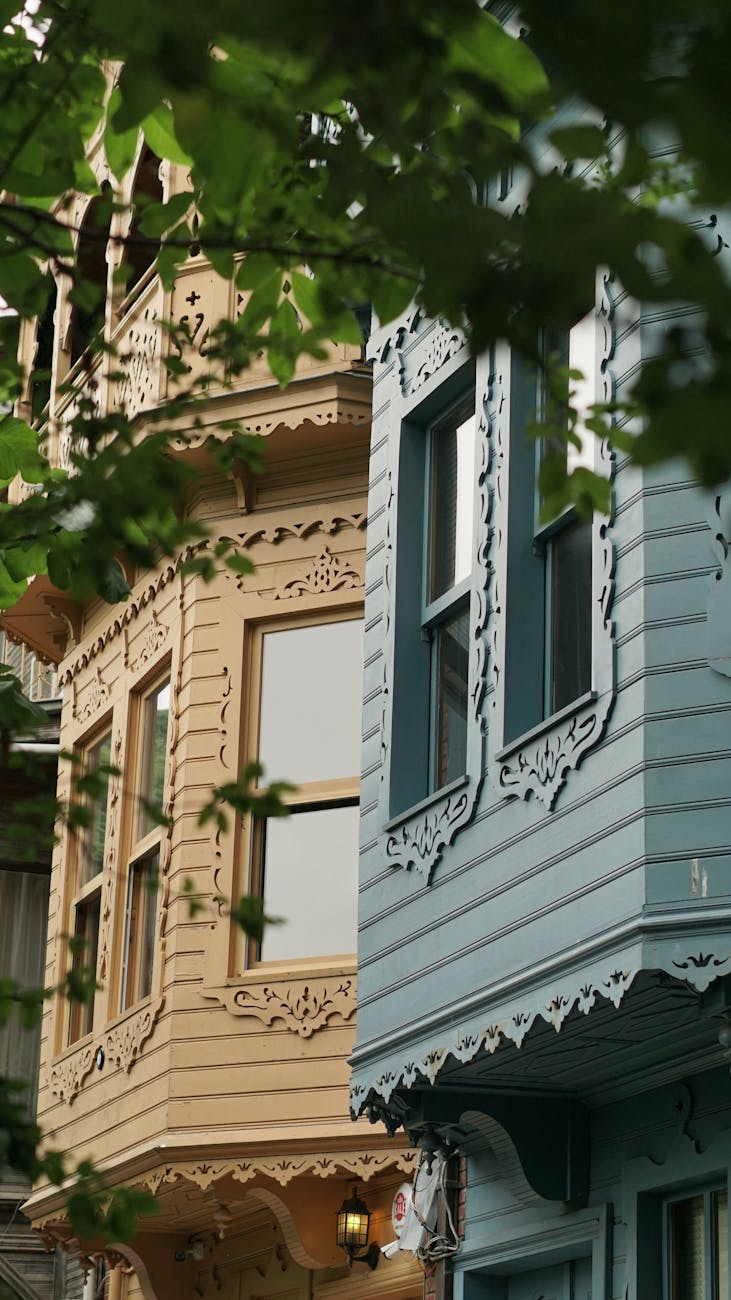
Why Modern Touches and Historic Homes Aren’t at Odds
There’s a common worry that adding modern features to a historic home might somehow ruin its authenticity, but let’s set the record straight—it doesn’t! Sure, this idea due to influencers, HGTV, and house flippers gives off the idea, but can those people actually design?
Do they actually care about history? No, it’s almost always about profit and making things neutral for all home buyers. But their decisions shouldn’t make you think that balance isn’t possible or you have to choose one over the other. Because in all honesty, you really don’t.
Everyone Brings Changes
Modern conveniences don’t erase the history of your home; they actually help you live more comfortably in it while preserving its charm. Seriosuly, just think about it: every era brings its own changes, and the people who lived in these homes before us also updated things to suit their time. You’re simply continuing that tradition.
So, just by incorporating modern upgrades like better insulation, energy-efficient windows, or even smart tech, you’re not taking away from the history—you’re just making the house work better for today’s world. Just think about houses from the 1970s, the house might have been old, but they added their own touches, like a shag carpet or mustard yellow backsplash to the kitchen.
You’re Making it Comfortable
The beauty of it is in finding the right balance. So overall, modern updates don’t overshadow the charm of a historic home; they enhance it. When you upgrade your heating system or install discreet lighting, you’re not erasing the character of your home.
Instead, you’re making it more comfortable and livable, and when done thoughtfully, these updates can actually help highlight the original features that make your home so unique. It’s not about pitting old against new—it’s about letting both work together to create a space that’s both beautiful and functional.
Just Lean Into the Unique Character
Alright, so above it was proven that you can still modernize your home, but where should you start? Well, the first rule of owning a historic home: is don’t mess with the good stuff! Your home’s unique details like the crown moldings, stained glass windows, intricate woodwork—are what make it special.
The goal is to keep them, maybe even highlight them more, while sneaking in modern updates that complement rather than overshadow them.
You’ll Need to Accentuate
Instead of ripping out all the old charm, why not make it pop even more? If you’ve got beautiful, ornate ceilings or intricate moldings, give them a fresh coat of paint and let them shine. Pairing these historic features with a neutral wall color or understated modern furniture helps balance old and new.
It’s about finding subtle ways to make the home’s original details stand out without overwhelming the space with modernity. Basically, you’ll want to pair them both. So a good rule of thumb would be to accentuate, never renovate.
You Can Still Have an Energy Efficient Home
What’s the downside of living in an old house? For most people, it’s simply not energy efficient. So, if you’ve ever lived in a drafty old house, you know that charming doesn’t always equal cozy. Historic homes can be notoriously tough on energy efficiency, but that doesn’t mean you have to freeze in winter and roast in summer.
Look into Window Restoration
Those big, beautiful windows might be one of your favorite features, but they’re also probably letting in a lot of cold air (especially if the sills are old). So, rather than replacing them with modern alternatives, consider restoring the originals. You can pair them with energy-efficient storm windows to keep the heat in without compromising the look of your home.
Updating Your Insulation
Did you know that insulation needs to be updated every couple of decades? That’s right, so updating your insulation, especially in key areas like attics and basements, is another smart move. It’s one of the easiest ways to make your home more energy-efficient without touching the aesthetics. Just make sure you don’t DIY this, but instead, you hire someone for the job.
You Need to Modernize Heating and Cooling
While opening the windows when it’s hot is a great move, and using the fireplace on cold days is super cute and cozy, it’s not always ideal or efficient to do both when the temperatures get uncomfortable.
So it might be a really good idea to look into AC installation (this also means heating comes with it), but don’t worry. Usually, you don’t have to worry about your home being a tech-heavy eyesore or even having ugly AC in each room. As long as there’s a ventilation system, then things should be fine. Plus, there are smart thermostats, too, which can also help.
Let There Be (Better) Light
One of the biggest challenges in a historic home is lighting. That comes as a surprise, doesn’t it? Well, many older homes weren’t designed to let in tons of natural light, which can leave rooms feeling a little dim. Actually, if you go into museums or old historic cabins, you’ll rarely see a lot of windows either.
It’s About Mixing Vintage Style with Modern Functionality
Lighting is one area where it’s easy to blend old-world style with modern needs. You can install recessed lighting to add subtle brightness without detracting from the historic charm. Or, you can pick vintage-inspired fixtures like chandeliers or sconces that give off that timeless feel while using energy-efficient bulbs.
For example, you could buy some antique light fixtures, and if you’re worried about the wiring, you could put rechargeable lightbulbs in them instead (granted, they are really expensive). But overall, the key here is subtlety—modern lighting that looks like it belongs in the space.
Improving Natural Light
For those darker spaces, you might want to consider adding a skylight or enlarging a few windows—just make sure it’s done in a way that respects the home’s original design. This can bring more light into the space while keeping the historic charm intact. But for the most part, you can’t go wrong with enlarging the windows, changing the doors to have more glass, or even adding windows since the skylight is considered a bit modern.
It’s How You Place Your Modern Technology
Needless to say, these days, tech is part of our lives, but that doesn’t mean it has to take over the aesthetic of your home. Seriosuly, there’s nothing wrong with it either, and like it was stated throughout the blog post, it’s more about how you balance it all out.
Smart Home Integration
So, a smart thermostat was mentioned earlier, and it’s something that’s ideally needed in most homes nowadays. But that’s not the only thing either. Overall, you just don’t need to sacrifice style for convenience. For the most part, smart home tech can be discreetly integrated into historic homes with a little clever planning.
Actually, a lot of smart home tech can either be wireless (and rechargeable) or tucked away easily so it won’t interfere with the home’s character. For example, if you have a smart thermostat, you can hide it behind a picture frame.
Try Modernizing Electrical Systems
While sure, updating the electrical wiring in your home might not be glamorous, but it’s necessary. You really have to keep in mind that old homes weren’t built with modern tech in mind, so upgrading the wiring is a must for safety and convenience.
You can place outlets in discreet spots and even use covers that blend with the home’s style so they don’t stand out like a sore thumb. But outside of that, you could look into cute brass electrical outlet covers to help with the historical appearance of your home.
There’s a Sweet Spot Between History and Comfort
At the end of the day, finding the balance between maintaining a historic home’s charm and enjoying the comforts of modern living is all about blending thoughtfully. Basically, what’s been repeated several times in this post?
Now, it’s not exactly easy blending thoughtfully, but it’s definitely possible (though it might mean thinking outside the box a little bit). So, just ny keeping the character of your home intact and layering in modern updates, you can enjoy the best of both worlds.