
How to Plan a Memorable Miami, Florida Food Weekend
Key Takeaways
- Choose two or three nearby Miami neighborhoods instead of spending the weekend crossing the county for every meal.
- Reserve one important meal each day, then leave room for coffee, snacks, dessert, and spontaneous stops.
- Balance polished dining rooms with bakeries, cafés, markets, and casual counters.
- Review current menus, hours, reservation rules, parking options, and added fees before committing to a plan.
- Build in downtime for the beach, art, a neighborhood walk, or simply recovering from a late dinner.
A great Miami food weekend is less about collecting the longest possible list of restaurants and more about settling into the city’s rhythm. Use a well-organized Miami restaurant list as a starting point, then narrow your choices according to where you are staying, how much time you have, and the kind of meals you genuinely enjoy.
Miami, Florida rewards travelers who plan with flexibility. A Cuban coffee in Little Havana, an unhurried seafood lunch near the water, and a late dinner in Brickell can all fit into one weekend, but only if travel time and energy levels are treated as part of the itinerary.
Why Miami Is Built for a Food-Focused Weekend
Miami’s dining culture reflects the many communities that shape the city, including Cuban, Caribbean, Latin American, Jewish, Asian, and coastal influences. Food also connects naturally to the places visitors already want to see, from Calle Ocho and Wynwood’s murals to Miami Beach’s shoreline and Coconut Grove’s leafy streets.
The best approach is not to schedule every hour. Three satisfying meals, a few smaller discoveries, and enough time between them will usually feel more memorable than six rushed reservations.
Start With a Simple Plan
- Decide what the weekend is really for: casual eating, a celebration, a date weekend, cultural food, brunch, or nightlife.
- Pick two or three areas that make sense from your hotel or rental.
- Choose one anchor meal for Friday, Saturday, and Sunday.
- Keep at least one lunch or dinner open for a walk-in find.
- Check the route between each major stop before making reservations.
For inspiration beyond restaurants alone, the area’s official three-day Miami weekend itinerary can help connect meals with beaches, nightlife, and neighborhood sightseeing.
Build Each Day Around a Neighborhood
Little Havana
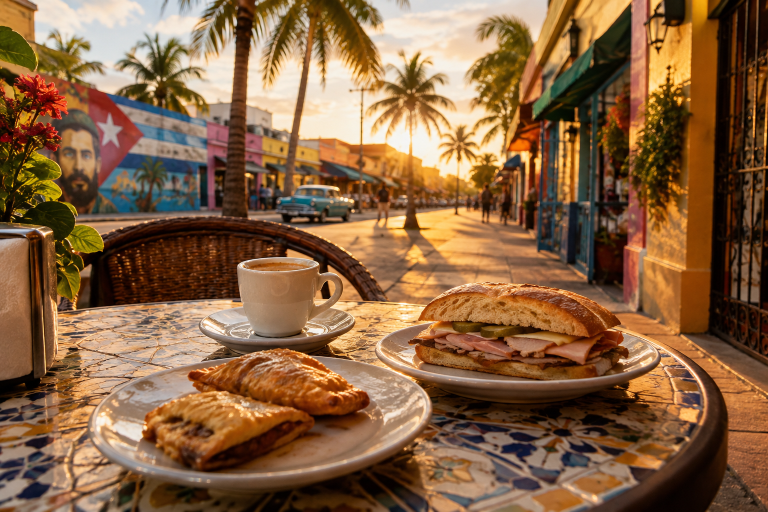
Plan a daytime visit around Cuban coffee, sandwiches, pastries, and a stroll along Calle Ocho. This is an especially good area for a relaxed breakfast or lunch, when you can pair food with local shops, murals, and cultural landmarks rather than treating the meal as a quick stop.
Wynwood
Wynwood works well for a casual lunch, afternoon drinks, or an energetic dinner after exploring the neighborhood’s street art and galleries. It is a practical choice for groups because diners can often find a variety of options nearby, including sit-down restaurants, counter service, and bars.
Brickell and Downtown
Brickell is a strong fit for dressier dinners, cocktails, and skyline views. Reserve it for an evening when your group wants a more polished experience, but account for busy streets, garage fees, and the extra time it may take to reach a restaurant during peak periods.
Miami Beach
Miami Beach makes sense when a beach day is already part of the plan. A lingering lunch can be easier than trying to force a cross-city dinner after a day in the sun. Look for menus that suit the moment, whether that means seafood, a café meal, or a simple snack before going out later.
Coconut Grove and Coral Gables
For a slower pace, consider Coconut Grove or Coral Gables. Both are useful choices when you want to combine a meal with walking, gardens, architecture, or a quieter conversation away from the busiest nightlife districts.
A Practical Friday-to-Sunday Food Schedule
Friday Evening: Keep It Close
Travel delays can make a first-night reservation stressful. Choose a restaurant near your accommodations, preferably somewhere that can handle a slightly late arrival or offers a comfortable bar area. Finish with a short walk, a cocktail, or dessert nearby instead of adding a long ride across town.
Saturday: Make This the Main Dining Day
Start with coffee and a light breakfast, then explore one neighborhood before lunch. Book Saturday’s most important meal in advance, particularly if it is a popular dinner, a tasting menu, or a celebratory reservation. Leave an open block in the afternoon for the beach, a museum, shopping, or rest.
Sunday: Finish Easy
Sunday works best for brunch or an early lunch. If you are flying out, choose a final meal that does not create an unnecessarily difficult route to the airport. One last pastry, cafecito, or scoop of ice cream can be a better ending than trying to squeeze in an extra full dinner.
Choose Restaurants Without Overplanning
Before booking, compare restaurants based on more than just popularity or social media photos. Ask whether the menu suits everyone, whether the room matches the occasion, and whether the time commitment fits the rest of your day. Recent guest feedback can also reveal practical details such as noise level, wait times, portion size, and service pace.
- Check current hours and reservation policies.
- Review menus for dietary needs and likely price range.
- Confirm whether outdoor seating matters to your group.
- Ask about large-party rules, minimums, or cancellation deadlines.
- Look at the route, parking situation, and expected ride time.
When Reservations and Seasonal Events Matter
Book Saturday dinner, popular brunches, special-occasion restaurants, and tasting menus early. Walk-ins are often more realistic for coffee shops, bakeries, casual lunches, food halls, and quick snacks. If your visit falls during Miami Spice, the official prix-fixe Miami Spice program lists participating venues and current menu tiers. In 2026, the program runs through October 31, so diners visiting before that date can compare offerings before reserving.
Budget for the Full Cost of Dining
Menu prices are only one part of the weekend budget. Build in drinks, tax, gratuity, parking, rideshare costs, and any service or credit card fees disclosed by the restaurant. A realistic plan often includes one splurge meal, with more affordable breakfasts and lunches around it.
- Value-focused: Coffee and pastry breakfasts, counter-service lunches, and a casual dinner.
- Balanced: A mix of neighborhood cafés, one sit-down dinner, drinks, and dessert.
- Celebration: A reserved dinner, cocktails, premium menu additions, and room for spontaneous extras.
Order With Curiosity, Not Pressure
On a first visit, choose a dish that shows the restaurant’s point of view. Ask the staff about a signature item, share small plates when the menu is designed for it, and start modestly if portion sizes are unclear. You can always add another dish, while an overstuffed table can make the rest of the weekend feel like a chore.
Final Checklist Before You Go
- Confirm reservations and cancellation policies.
- Save addresses, phone numbers, and parking details.
- Review menus for allergies and dietary preferences.
- Check the forecast before committing to outdoor seating or long walks.
- Plan rides between neighborhoods, especially late at night.
- Leave one open block for an unexpected local favorite.
Conclusion
The best Miami food weekend isn’t about how many restaurants you can fit into three days. It’s about discovering the flavors, neighborhoods, and unexpected favorites that make the city unforgettable. Plan a few standout meals, leave room for a spontaneous cafecito or late-night bite, and balance dining with time to explore Miami’s beaches, art, and vibrant streets. With the right mix of preparation and flexibility, every meal becomes part of the adventure, leaving you with more than great food: a genuine taste of Miami’s character and culture.
- How to Plan a Memorable Miami, Florida Food Weekend - October 23, 2026
- Chill Out on a Budget: Affordable AC Installation in Cottonwood Heights - October 23, 2026
- The Art of Custom Fine Jewelry Design - October 20, 2026


