
How to Create Comfortable and Sustainable Outdoor Spaces
Key Takeaways:
- Choosing durable materials ensures longevity and reduces maintenance efforts.
- Sustainable practices lead to eco-friendly and economically innovative outdoor spaces.
- Customization and personal touches enhance comfort and usability.
Table of Contents:
- Introduction
- Choosing Durable Outdoor Furniture
- Incorporating Sustainable Materials
- Designing for Comfort
- Adding Personal Touches
- Maintenance Tips
- Conclusion
Introduction
In recent years, outdoor spaces have evolved into essential components of our homes, offering a respite from daily life, a venue for social gatherings, and a direct connection to nature. With growing awareness of environmental sustainability, creating outdoor areas that are comfortable and eco-friendly has become a priority for many homeowners. This journey involves selecting sustainable materials, integrating durable furniture, and adding personal touches that reflect individual lifestyle preferences. Designing such spaces is not just about aesthetics or functionality; it's about crafting environments that promote well-being and respect for our natural surroundings.
Choosing Durable Outdoor Furniture
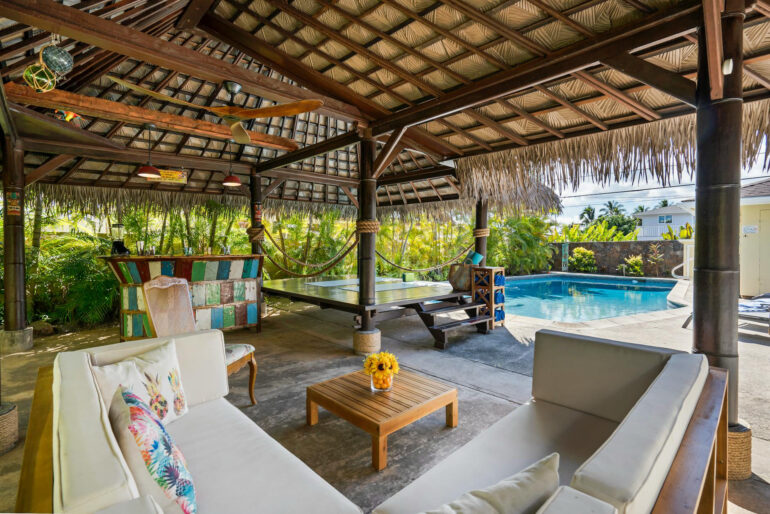
The foundation of any functional outdoor space lies in its furniture selection. When choosing outdoor furniture, focusing on pieces that can withstand local weather conditions throughout the year is crucial. Opt for materials such as teak, renowned for its natural resistance to water and pests, wrought iron for its resilience and classic style, or high-density polyethylene (HDPE) for a modern, weather-resistant option. These materials not only promise durability but also require minimal maintenance, offering both economic and environmental benefits. For those looking to give their outdoor areas a facelift, it's a good start to browse outdoor furniture that matches these criteria, ensuring an investment that can provide lasting enjoyment for many seasons.
Incorporating Sustainable Materials
Incorporating sustainable materials into your outdoor space design is a commitment to eco-friendly living. This approach starts with opting for materials with a lower environmental impact during production and disposal. Recycled or upcycled materials, like decking made from recycled plastics or outdoor furniture crafted from reclaimed wood, are excellent choices. They reduce waste and often come with the added benefit of unique character. Additionally, using local materials can reduce transportation emissions and support local businesses. For landscaping, consider permeable paving materials that allow water to soak back into the ground, reducing runoff and supporting natural water cycles. Encouraging biodiversity by planting native flora helps local ecosystems and ensures your garden thrives with minimal intervention.
Designing for Comfort
Comfort is paramount when designing outdoor spaces that you will frequently use. Begin by assessing how different times of the day will affect sunlight and shade in your area. This will guide the placement of seating and dining areas to maximize views and comfort. For regions that experience strong sunlight, incorporating options for shade, such as pergolas, retractable awnings, or shade trees, is essential. Comfortable seating should be enhanced with cushions covered in weather-resistant fabrics, ensuring they remain attractive and functional despite exposure to the elements. Layering lighting—solar-powered lamps along pathways and cozy string lights or lanterns for ambient evening illumination—can transform your space into a multi-use area ideal for daytime lounging and nighttime dining.
Adding Personal Touches
Your outdoor space should reflect your personality and tastes, just like the interior of your home. Achieving this begins with small yet significant details that add charm and individuality. Consider incorporating one-of-a-kind planters, vibrant outdoor rugs, or art pieces explicitly designed for open-air environments. These elements add visual interest and provide focal points that engage viewers. Selecting a cohesive color palette that pleases you and harmonizes with the natural surroundings further enhances the space's appeal. Native plants require less water and maintenance and attract local pollinators, adding life and movement to the garden. This thoughtful, personal curation turns an outdoor area into a unique retreat.
Maintenance Tips
Keeping your outdoor space in top shape requires some dedication to maintenance. Regularly cleaning surfaces and furniture will prevent damage from the buildup of dirt and grime, maintaining their beauty and functionality. Use gentle, eco-friendly cleaning solutions to avoid environmental harm. For areas with extreme weather conditions, consider investing in waterproof covers for your furniture or storing removable items during harsh seasons. Regular inspections for signs of wear, such as rust, mildew, or cracking, allow for early intervention, preventing more extensive damage and costly repairs. Staying ahead of maintenance needs not only prolongs the life of your outdoor installations but also ensures that your space remains a delightful place to relax and entertain.
Conclusion
Designing a comfortable and sustainable outdoor space is a strategic investment that pays off in terms of personal satisfaction and environmental stewardship. By selecting durable materials, focusing on sustainable practices, and personalizing the space to reflect your tastes, you create an area that extends your home, offering beauty, functionality, and eco-conscious enjoyment. Such spaces facilitate relaxation and social engagement and demonstrate a commitment to sustainability by minimizing environmental impact and maximizing resource efficiency. As we become more mindful of our ecological responsibilities, these thoughtfully designed outdoor areas represent a haven for their owners and a step forward in sustainable living.
- Understanding Plumbing Challenges and Solutions in Rogers, Arkansas - July 24, 2026
- Dental Implants in Rapid City, SD: Restoring Smiles for the Community - July 24, 2026
- Innovative Vision Solutions for the Modern Era - July 22, 2026


