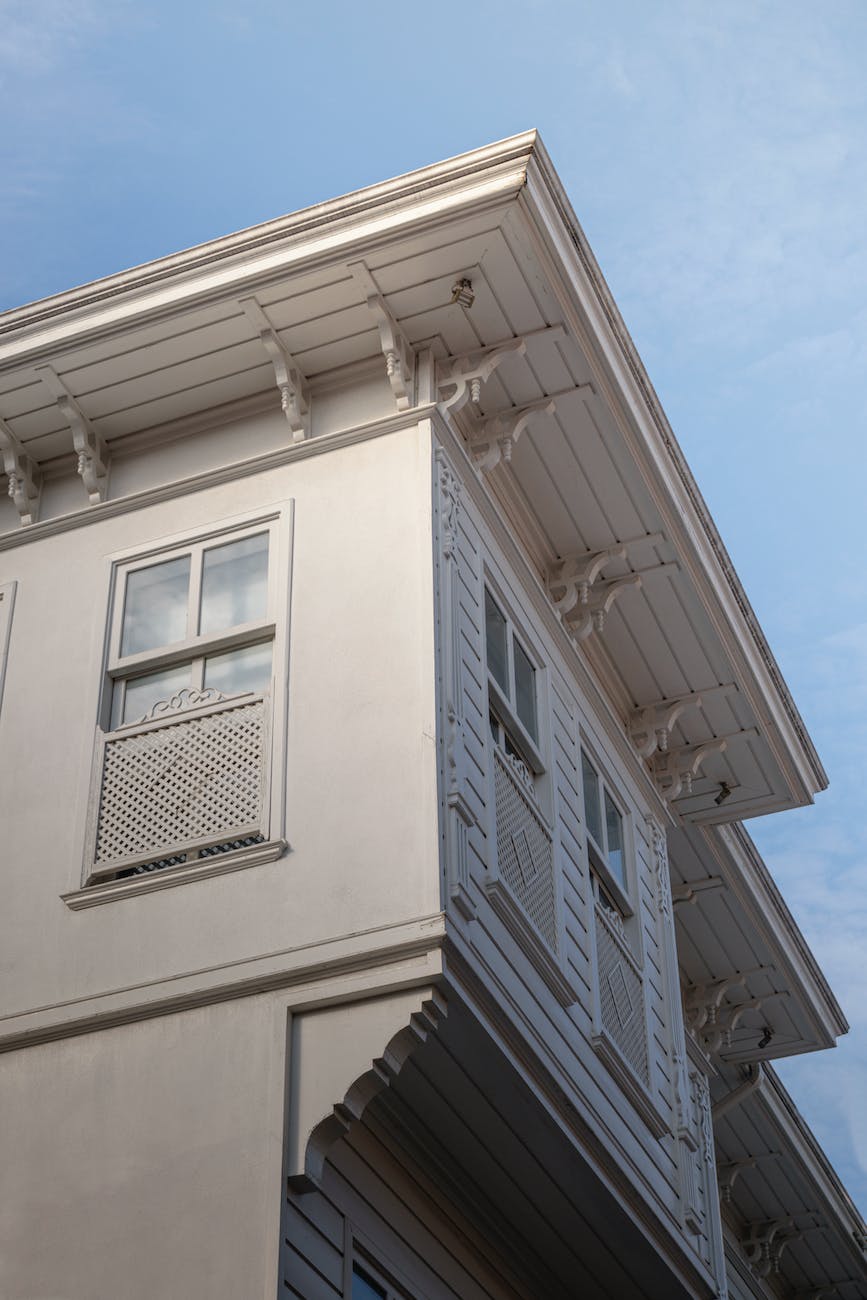
How to Choose And Install a High-Quality Roof
One of the most major and costly purchases that homeowners undertake is the installation of a new roof. It's critical to choose the right material whether rebuilding an existing structure or creating a new house. Aside from that, choose a design that blends in with your surroundings and enhances the appearance by complimenting the siding. Style is vital, but it isn't the sole consideration. The price of the product, the materials, and the installation requirements should all factor into your decision. Here is what you need to know about the choice and installation of the roof.

Installation
Because installing a new roof is a difficult and time-consuming procedure, most homeowners engage professional roofers. In most circumstances, it is preferable to spend money on professionally installed roofing rather than risk having a leaky roof installed. Some basic installation styles may be possible if you have the necessary tools and some roofing expertise. Knowing the installation process and phases can help you guarantee your new roof is correctly built, whether you've hired a professional or intend to do it yourself.
The old roofing will almost certainly have to be removed before the new one can be placed. The old roofing must be taken down to the framing and reconstructed. After removing it, inspect the sheathing. Roofing sheathing is made up of flat panels that provide both structural support and a base for roofing materials like shingles. Look for any moist or problematic areas that may require replacement. If you live in an area where ice occurs for even a portion of the year, you should create an ice and water barrier around your roof.
During the roof installation, the roofing drip edge is fixed in two sections. It goes on the bottom of the roof before the underlayment and after the underlayment on the sides. After you've installed the roof underlayment, go over with a drip edging on the sides, as well as at the bottom. This prevents water from running back below the siding's edge.
Materials
Not all roofing materials are suitable for all roofs. A roof with a flat or low slope may require a different surface than one with a higher pitch. Because slate and tile are such heavy materials, many homes' structures are unable to support them. Consider the following possibilities before speaking with your architect and obtaining project estimates.
- Asphalt. It is the most prevalent roof material, owing to the fact that it is the least priced and takes the least amount of experience to install. It's constructed of a fiberglass medium that's been mixed with asphalt and has a sand-like granule surface. The ordinary single-thickness variant and heavier, laminated items are available in two basic forms. Although the conventional variety is less expensive, laminated shingles have a more pleasing textured look and last about half as long – typically 25 years. Prices start at around $50 per square foot but can cost much more depending on the type and the installation.
- Metal. Roofs made of copper, steel, aluminum, copper-and-asphalt, and lead are all long-lasting and costly. Lead and copper/asphalt variants are often used as shingles, but others are designed for seamed roofs, which are made up of vertical lengths of metal that are soldered together. These roofs start at around $250 per square foot, but they may easily cost twice or three times as much.
- Wood. For ages, wood has been the preferred material, and it is still a viable alternative in some regions, despite fire laws prohibiting its usage. Shingles are usually sawn or split from redwood, cedar, or southern pine. They have a 25-year life expectancy (like asphalt shingles) but cost twice as much on average.
- Slate. Slate is one of the most durable roofing materials available. The slate that is over a century old is frequently recycled for installation, with the assumption that it will survive another century. It is, on the other hand, both pricey (starting at over $800 per square foot) and heavy.
Cost
The price of a new roof is influenced by a variety of factors. The material's cost is the beginning point, but there are other aspects to consider as well. If you're remodeling a property, one consideration is the quality of the current roof—if outdated materials must be removed and the supporting structure must be repaired, all of this will cost money. Another important element is the roof's form. Simple roofing work is made easier by a gable roof with few or no interruptions in its planes. A home with several chimneys, crossing rooflines (known as valleys), skylights, turrets, or other features will have a much higher roof cost.
A new roof is an excellent method to modernize your home and maybe increase its curb appeal. The above-mentioned are the most important factors to have in mind when doing the installation process.
- Residential Driveway Planning Guide: Materials, Drainage, Installation, and Maintenance - August 20, 2026
- A Flexible Zion National Park Itinerary for Hikers, Families, and Scenic Road Trippers - August 20, 2026
- Persistent Odors Need Source-Level Treatment: FIRESTONE Restoration Provides Professional Ottawa Sanitizing Services - August 20, 2026