
How Fast Food Burger Chains Are Responding to Modern Consumer Preferences
Key Takeaways
- Fast food chains are introducing healthier menu items to cater to nutrition-conscious consumers.
- Technological advancements, such as AI-powered ordering systems, are enhancing customer experiences.
- Value-driven promotions are being utilized to attract price-sensitive customers.
- Supply chain diversification helps manage rising beef costs.
- Embracing pop culture and nostalgia in marketing campaigns appeals to a broader audience.
Table of Contents
- Healthier Menu Options
- Technological Innovations
- Value-Driven Promotions
- Supply Chain Diversification
- Pop Culture and Nostalgia in Marketing
- Conclusion
The fast food burger industry is rapidly evolving as chains respond to changing consumer expectations focused on nutrition, convenience, and experiences. This shift involves offering healthier options, using advanced technology, improving affordability, and connecting through culture and nostalgia. In high-traffic travel hubs, such as those offering burgers in Mississauga Airport, brands are also refining speed and quality to meet the needs of on-the-go consumers.
The industry’s response includes plant-based items and AI, marking a new era for burger fans. Adapting to these trends helps brands maintain loyalty and attract new customers seeking satisfying, convenient meals, whether in everyday settings or busy transit locations.
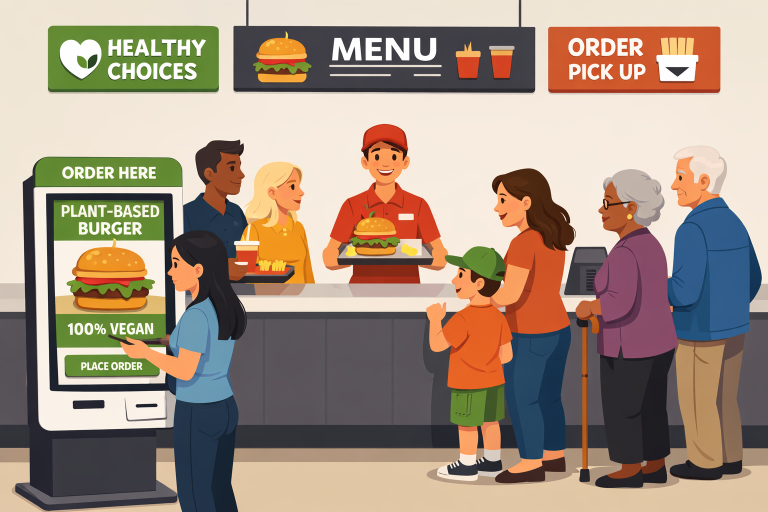
Healthier Menu Options
Growing consumer awareness around health has ignited significant changes in fast-food burger menus. Many chains are working aggressively to shed the old stereotype that fast food automatically means unhealthy eating. For example, McDonald’s now includes apple slices, yogurt parfaits, and grilled chicken wraps, reflecting a broader commitment to providing fresh options. Burger King and KFC have joined the movement by adding plant-based burgers and meatless nuggets, giving those with dietary restrictions or preferences greater freedom of choice.
The demand for transparency also means that calorie counts, ingredient lists, and sourcing details are commonly made available, allowing customers to make informed decisions. According to a recent New York Times article, even the largest burger chains now consider nutrition a top priority in menu planning, balancing indulgence with new, lighter offerings.
Technological Innovations
Technology is rapidly modernizing the fast food experience. Customers expect speed, accuracy, and customization, prompting chains to adopt digital solutions. McDonald’s uses AI-powered systems for efficient drive-thru orders, while Wendy’s has digital kiosks and mobile ordering. These innovations improve efficiency and help restaurants understand customer preferences through data. Digital loyalty programs and app promotions boost engagement and repeat business. Major chains focus on frictionless ordering and payments, ensuring quick, hassle-free meals. As Forbes reports, AI, mobile orders, and contactless payments drive sector growth.
Value-Driven Promotions
With inflation and shifting consumer priorities, value is more important than ever in fast food. Budget-friendly deals help chains keep customers coming back despite rising menu costs. McDonald’s has reintroduced popular Extra Value Meals, while Wendy’s continues pushing its Biggie Bag lineup as an affordable alternative to traditional combos. Promotions like limited-time discounts and bundled meal offerings cater to families and individuals looking to stretch their dining budgets.
By striking a balance between affordability and quality, chains can maintain customer loyalty and avoid traffic dips during tough economic times. Such promotions are particularly valuable as competition grows, allowing brands to cut through the noise and stand out to price-sensitive consumers.
Supply Chain Diversification
The steady rise in beef prices and supply chain disruptions has forced fast food chains to rethink sourcing strategies. To weather these challenges, brands are diversifying their ingredient suppliers and exploring alternatives beyond traditional beef. This includes a broader selection of chicken, fish, and plant-based proteins, enabling restaurants to navigate market fluctuations while still meeting consumer demand for variety.
A diversified supply chain ensures menu stability and pricing consistency, which is essential in maintaining customer satisfaction and managing operational costs. By securing multiple suppliers and ingredients, fast food chains protect themselves from shortages and sudden cost spikes, a growing necessity in an unpredictable global marketplace.
Pop Culture and Nostalgia in Marketing
Fast food chains are increasingly tapping into pop culture and nostalgia to win over fans and create buzz. By collaborating with celebrities, launching retro menu items, or using memorable icons in ads, they connect with younger audiences while also evoking fond memories for longtime customers. Carl’s Jr. recently rolled out digital campaigns featuring Paris Hilton AI clones, cleverly blending futuristic technology with nostalgia for past partnerships.
These strategies foster emotional connections with the brand and increase engagement across social media platforms. In addition to leveraging nostalgia, chains often partner with trending shows, movies, or music stars, ensuring their marketing remains both fresh and relatable in an ever-changing landscape.
Conclusion
Today’s fast-food burger chains are on a transformative journey, reimagining what it means to serve burgers in a modern marketplace. By prioritizing healthier choices, embracing technology, offering competitive pricing, diversifying their supply chains, and crafting culturally relevant marketing, these companies are setting a new standard for quick-service dining. For diners exploring their next fast food meal, these industry shifts mean more enjoyable and personalized options than ever before.
- Enhancing Property Value and Curb Appeal with Professional Pressure Washing - April 17, 2026
- How Dental Implants Are Reshaping Oral Health - April 17, 2026
- When Should You Seek Professional Help for Your Child? - April 17, 2026


