Dental Health Habits That Last a Lifetime
Key Takeaways
- Consistent oral hygiene practices are essential for long-term dental health.
- Regular dental check-ups help detect and prevent oral diseases early.
- Diet and lifestyle choices significantly impact oral health.
Table of Contents
- Importance of Oral Hygiene
- Daily Brushing and Flossing
- Regular Dental Check-ups
- Balanced Diet and Hydration
- Avoiding Harmful Habits
- Educating Children on Oral Health
- Oral Health and Overall Well-being
- Conclusion
Oral health is not just about having a bright smile; it is a pillar of overall wellness. Developing dental care routines early and maintaining them consistently can help prevent common dental issues and protect against more serious health risks that arise over time. For those with missing teeth, investing in a dental bridge can restore both function and confidence, emphasizing the importance of proactive dental care at every age.
Sustaining good habits is vital, whether you are ensuring your teeth remain cavity-free or addressing restorative needs. Effective oral hygiene routines are fundamental for everyone, regardless of age or stage of dental health. By adopting mindful dental practices, you set the stage for a healthier future physically and mentally.
The lifelong impact of oral hygiene goes far beyond fresh breath and white teeth. Keeping teeth and gums healthy has been linked to reduced risk of chronic illnesses, enhanced quality of life, and improved self-esteem. Having a consistent daily routine and understanding which preventive steps have the greatest impact is essential for avoiding future dental problems.
Incorporating these habits early on is key, but benefits can be felt at any age. Routine dental care, informed dietary decisions, and avoiding harmful habits all contribute to keeping your smile healthy throughout your life. Prioritizing oral health today leads to significant benefits for years to come.
Importance of Oral Hygiene
Oral hygiene is often viewed as a predictor of general health. When oral care is neglected, bacteria can thrive, contributing to gum disease and cavities and increasing the likelihood of more severe conditions such as cardiovascular disease and diabetes. Numerous studies have established the relationship between systemic disease and oral health, demonstrating that the state of your mouth truly can reflect the state of your body as a whole.
Daily Brushing and Flossing
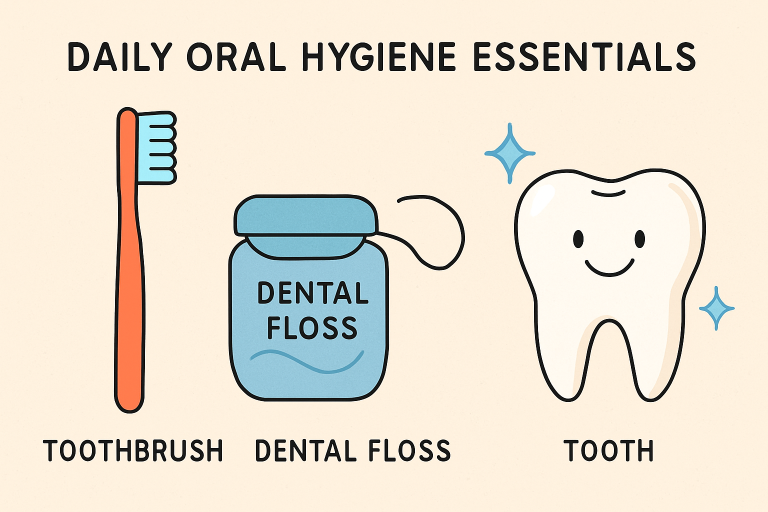
Thorough brushing with fluoride toothpaste at least twice a day, combined with daily flossing, is a powerful defense against tooth decay and gum disease. These habits help clear away food particles and plaque that can cause cavities. However, research shows that a large portion of adults do not floss daily, leaving them vulnerable to common dental concerns and underscoring the need for increased awareness and commitment to these basic habits. Flossing reaches areas a toothbrush cannot reach, breaking up biofilm and reducing the risk of inflammation.
Proper Technique Matters
Brushing should take at least two minutes, focusing on every tooth surface and gumline. A soft-bristled toothbrush is recommended to avoid damaging enamel or gums. When flossing, use a gentle sawing motion and curve the floss around each tooth for optimal results. Electric toothbrushes and water flossers may offer advantages for individuals with limited dexterity or braces.
Regular Dental Check-ups
Semiannual visits to the dentist are essential to maintaining oral health. Professional cleanings remove tartar buildup that cannot be brushed away at home. Additionally, dental professionals can identify early signs of decay, oral cancer, and other issues before they become severe. Regular visits foster a partnership with your dentist, empowering you to make informed choices about treatments, lifestyle changes, and preventive care.
Check-ups are also the perfect time to address restorative needs, such as crowns, fillings, or a dental bridge, to repair function and protect oral health in the long term.
Balanced Diet and Hydration
Nutrition is a cornerstone of dental health. Diets high in fruits, vegetables, lean protein, and dairy bolster teeth with vitamins and minerals, especially calcium and vitamin D. Sugary snacks and acidic drinks encourage bacterial growth, increasing the risk of decay, while water is the best beverage for rinsing away food particles and bacteria. Staying hydrated supports saliva production, which naturally protects teeth by neutralizing acids.
Avoiding Harmful Habits
Avoiding habits that put teeth at risk is just as crucial as following positive routines. Smoking, frequent alcohol consumption, and chewing on ice or non-food items can all weaken enamel and damage gums. Smoking, in particular, is closely linked with advanced gum disease and poor healing after dental procedures. Using teeth as tools to open packages or bottles should also be avoided, as it can cause chips or cracks.
Educating Children on Oral Health
Teaching children about proper oral hygiene provides a foundation for habits that endure through adulthood. Start by demonstrating brushing and flossing, supervising until they are capable of doing it alone. Encourage a routine that includes brushing twice daily, flossing once a day, and regular dental visits from a young age. Educational games, visual guides, and positive reinforcement make learning about oral care enjoyable and memorable. Pediatric dentists play a vital role in guiding kids and parents through proper oral health techniques.
Oral Health and Overall Well-being
Good oral health supports physical and emotional wellness. Conditions such as tooth loss or chronic gum disease are linked to heart disease, respiratory illnesses, and complications in diabetes management. Oral discomfort can also interfere with eating, speaking, and social interactions. Taking care of your teeth fosters confidence and well-being throughout life. Major health organizations recognize dental care as a fundamental component of holistic health practices.
Conclusion
Lifelong dental health is attainable through simple but consistent habits. Brushing, flossing, dental visits, healthy eating, and avoiding risky behaviors all contribute to optimal oral health. Implementing these routines not only supports a stunning smile but also helps prevent health issues associated with poor oral care. Start today to enjoy the rewards of a healthy mouth and body throughout your life.
- Residential Driveway Planning Guide: Materials, Drainage, Installation, and Maintenance - August 20, 2026
- A Flexible Zion National Park Itinerary for Hikers, Families, and Scenic Road Trippers - August 20, 2026
- Persistent Odors Need Source-Level Treatment: FIRESTONE Restoration Provides Professional Ottawa Sanitizing Services - August 20, 2026