Creative Solutions That Improve Space Without Remodeling
Living spaces often fall short of our evolving needs. As lifestyles shift and belongings accumulate, rooms once suitable can begin to feel tight, cluttered, and disorganized. Remodeling may seem like the only option, but it's often expensive, time-consuming, and disruptive. Instead of tearing down walls or redesigning layouts, small changes in how we use and manage space can transform a home or office into a more functional and calming place. With the right strategies, it's possible to maximize potential without altering the structure itself.
Use Self-Storage to Clear Physical and Mental Space
Clutter affects more than how a room looks; it influences how we feel. Disorganization can create stress, lower productivity, and reduce the enjoyment of a home. One powerful way to address this is through self-storage. Whether you're making room for a new family member, transitioning between locations, or simply trying to clear visual noise, temporary or long-term storage gives you options. In a crowded home or office, off-site solutions become invaluable. A convenient option for residents and businesses alike is a Hallam self‑storage facility, which provides secure, accessible space for items that aren’t needed daily but are too valuable to discard. This approach doesn’t just shift items around; it gives breathing room. With fewer objects in the way, rooms feel larger, more open, and easier to clean. It also creates a buffer zone for seasonal gear, inherited items, or bulk supplies, helping you use every square foot with more intention.
Reimagine Vertical Potential
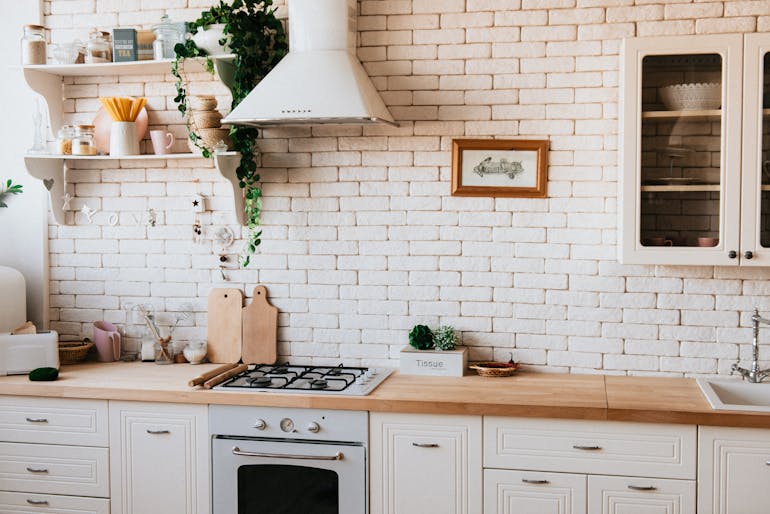
Walls often go underused. They tend to host artwork or nothing at all, but vertical space can serve as functional storage. Installing shelves, hanging baskets, or pegboards opens up the upper half of a room. In kitchens, floating shelves provide quick access to frequently used items without taking up counter space. In living rooms, tall bookcases or mounted storage systems help organize media, books, or decorative pieces.
Bathrooms benefit especially from vertical storage. Over-the-toilet shelving, tall cabinets, or towel ladders add functionality in rooms where floor space is usually tight. Bedrooms with high ceilings offer opportunities for lofted storage or even suspended wardrobes. By extending your storage upward, the ground level stays clearer, which makes rooms appear and feel larger.
Double-Duty Furniture Creates Flexibility
Furniture that performs more than one function solves several spatial problems at once. A storage ottoman can hold blankets, board games, or shoes while also serving as a seat or coffee table. Beds with drawers underneath eliminate the need for bulky dressers. Sofas that convert into guest beds allow for hosting without dedicating a room to the task.
In small kitchens, drop-leaf tables or fold-out countertops can increase prep space only when needed. Desks with hidden compartments help maintain a tidy workspace. Multifunctional furniture adapts to your day-to-day routine, reducing clutter and increasing efficiency without any need to build or renovate.
Use Lighting to Change the Perception of Space
Light affects how large or small a room feels. By adjusting lighting schemes, it's possible to manipulate perception and mood. Natural light always helps, so removing heavy curtains or using sheer fabrics can change the feel of a room dramatically. When sunlight isn’t enough, strategically placed mirrors can reflect it to brighten darker corners.
Layered lighting is another tactic. Combining overhead lights with floor lamps, sconces, or LED strips under cabinets adds depth and dimension. Bright, warm lighting opens up rooms, while dim settings create cozy areas within larger spaces. Highlighting vertical features, such as tall bookcases or hanging plants, can also draw the eye upward and make a ceiling feel higher.
Create Zones Within Open Areas
Large open spaces may seem easy to manage, but without defined areas, they can become chaotic. Zoning solves this by assigning clear functions to different sections of a room. This method is especially useful in studio apartments, lofts, or open-plan offices.
Using rugs, room dividers, or open shelving units can help delineate where one area ends and another begins. A couch facing away from the dining area creates a boundary between lounging and eating. Plants or curtains can offer subtle separation without building new walls. By giving each part of a room its purpose, even a single space can feel like multiple rooms, all without any construction.
Rotate and Rethink Decorative Elements
Decor can contribute to a sense of clutter, even when everything has its place. One approach to this problem is rotation. Instead of displaying every item at once, store some pieces and swap them seasonally. This keeps spaces feeling fresh and avoids overwhelming surfaces with too many objects.
Wall art, throw pillows, or small decor can reflect different moods or times of year. Boxes under the bed or in a self-storage unit can hold the off-season decor until it’s time to switch. Another method is to reconsider which pieces contribute to the atmosphere. Sometimes, less is more. A well-chosen object with space around it often has a greater impact than several competing pieces.
Maximizing space doesn’t require demolition, construction permits, or a big budget. With a bit of creativity and thought, even the smallest areas can be made more livable. Small steps often bring the biggest changes when they're tailored to real needs and real spaces.
- Residential Driveway Planning Guide: Materials, Drainage, Installation, and Maintenance - August 20, 2026
- A Flexible Zion National Park Itinerary for Hikers, Families, and Scenic Road Trippers - August 20, 2026
- Persistent Odors Need Source-Level Treatment: FIRESTONE Restoration Provides Professional Ottawa Sanitizing Services - August 20, 2026