Contemporary Exterior Wall Finishes for Custom Homes: Stylish Ideas for Modern Living
Key Takeaways
- Modern exterior wall finishes integrate aesthetics, energy efficiency, and durability.
- Materials like fiber cement, advanced stucco, wood, metals, and composites dominate current trends.
- Sustainability and ease of maintenance are significant factors in finish selection.
Table of Contents
- Fiber Cement Siding
- Modern Stucco Finishes
- Natural Wood Cladding
- Metal Paneling
- Composite Materials
- Energy-Efficient Coatings
- Combining Materials for Unique Designs
- Conclusion
Designing a custom home is an opportunity to personalize every aspect, including choosing the perfect exterior finish to create lasting curb appeal and withstand the test of time. With advances in building materials, homeowners can now choose durable, beautiful surfaces that express their unique style. For those looking for a seamless blend of protection and architectural beauty, options like elastomeric stucco coating exemplify the modern look and strength that today's homeowners demand.
Exterior finishes do more than beautify; they must also protect the home from the elements and increase energy efficiency. Modern finishes serve these practical functions while allowing for customization in color, texture, and material. Considering sustainability, many new materials also minimize maintenance and environmental impact. Choosing the right wall finish establishes a signature look while enhancing comfort and long-term value. The right combination of materials can highlight contemporary architecture. Innovative siding options are designed not only to perform well but to look elegant in every setting. Homeowners are encouraged to balance visual impact with weather resistance and energy performance when selecting a finish. Sophisticated homes increasingly feature material blends for bold, eye-catching facades. Staying up to date with exterior finish trends can also influence future resale value and neighborhood appeal.
Fiber Cement Siding
Fiber cement siding delivers remarkable versatility and toughness, making it a favorite for modern and traditional homes alike. Composed of cement, sand, and cellulose fibers, it mimics the look of wood, stone, or brick with less upkeep. Its resistance to fire, termites, rot, and even tempestuous weather ensures longevity, while many brands offer striking contemporary colors and finishes. One additional benefit of fiber cement siding is its adaptability to a variety of architectural styles, from sleek, modern homes to rustic farmhouses. This chameleon-like quality allows architects and homeowners to creatively blend the siding with trim, accents, and other materials, resulting in an exterior that stands out. Since this product is also manufactured to strict standards, it rarely warps or cracks, yielding lower long-term repair costs. Many manufacturers back their products with extensive warranties, providing homeowners with peace of mind and boosting siding's popularity. Routine cleaning and periodic painting are typically all that’s needed to maintain its vibrant appearance for decades.
Modern Stucco Finishes
Stucco remains timeless, but advancements have revolutionized its application. Today’s stucco features acrylic and polymer additives for superior flexibility and crack resistance. These new systems allow for smooth, crisp lines and a range of finishes, from subtle matte to bold textures. Custom color options help homeowners achieve a truly bespoke appearance that honors both tradition and modernity.
In addition to their aesthetic appeal, modern stucco systems improve moisture management through advanced drainage and breathable layers that help protect the underlying structure. These stucco systems are engineered to withstand a wide range of climates, offering notable advantages in both humid and arid environments. Moreover, homeowners can select from troweled, sprayed, or faux stone finishes to meet their design needs. For those seeking environmentally friendly options, there are eco-conscious stucco products that use recycled materials and water-based coatings to reduce the home's overall carbon footprint.
Natural Wood Cladding
Natural wood cladding introduces inviting warmth while complementing natural surroundings. Species like cedar and redwood offer organic beauty and inherent resistance to moisture and insects. Sourced responsibly, wood siding supports green building goals and can be used to soften or accent more angular or industrial design features. However, preserving wood’s original luster requires regular treatment and sealing to guard against fading, warping, or pests. Advancements in forestry and finishing techniques have led to more sustainable harvesting and manufacturing processes, making wood a more environmentally sound option than in decades past. Finishing treatments such as oils, semi-transparent stains, and UV-blocking sealants allow for customization of color and grain expression, while further protecting the wood’s surface. Homeowners may also explore engineered wood products, such as thermally modified wood and cross-laminated timber, for greater durability without sacrificing the timeless look and feel of real wood.
Metal Paneling
Metal siding is perfect for those seeking a sleek, cutting-edge look. Materials such as steel or aluminum are highly durable, corrosion-resistant, and available in a wide spectrum of finishes and profiles. Metal panels make striking statements on their own or when paired with softer elements like wood. These panels reflect modern minimalism while offering virtually maintenance-free longevity, and are fully recyclable at the end of their lifespan. Additionally, many metal siding systems incorporate advanced paint technologies, such as Kynar or powder coating, that resist UV damage and color fading even under intense sun exposure. Some products come with insulation backing, increasing both energy efficiency and sound attenuation. Due to their inherent flexibility, metal panels can be shaped into waves, curves, or geometric patterns, opening up new design possibilities for creative home exteriors.
Composite Materials
Composite siding products have surged in popularity by combining wood fibers or plastics with binding agents to emulate the beauty of natural wood without the susceptibility to decay. Composites resist swelling, cracking, insects, and fading. Their broad palette of shapes, sizes, and colors complements any aesthetic vision, making them a strong option for buyers prioritizing ease of care and adaptability in exterior design. Recent innovations have led to lighter, stronger composite panels that can also include recycled content, further reinforcing a commitment to sustainability. Some composite finishes feature integrated color throughout the board rather than just surface paint, helping mask nicks and scratches over time. Their straightforward installation makes composites a preferred choice for contractors and DIY enthusiasts, while some brands offer enhanced warranties for both product performance and color stability.
Energy-Efficient Coatings
New generations of coatings maximize energy efficiency by reflecting sunlight and insulating against heat transfer. Such technologies can be applied to a wide range of substrates, extending siding life while reducing cooling costs and improving indoor thermal comfort. According to the U.S. Department of Energy, reflective coatings are especially advantageous in hot climates, introducing cost savings and environmental benefits over time. Many of today’s high-performance coatings can also repel water, resist mold and algae, and self-clean when exposed to rainfall or sunlight. This further reduces ongoing maintenance. As homeowners become more energy-conscious, these coatings are increasingly specified for green building certifications such as LEED or ENERGY STAR, making them an excellent way to combine modern aesthetics with sustainable living.
Combining Materials for Unique Designs
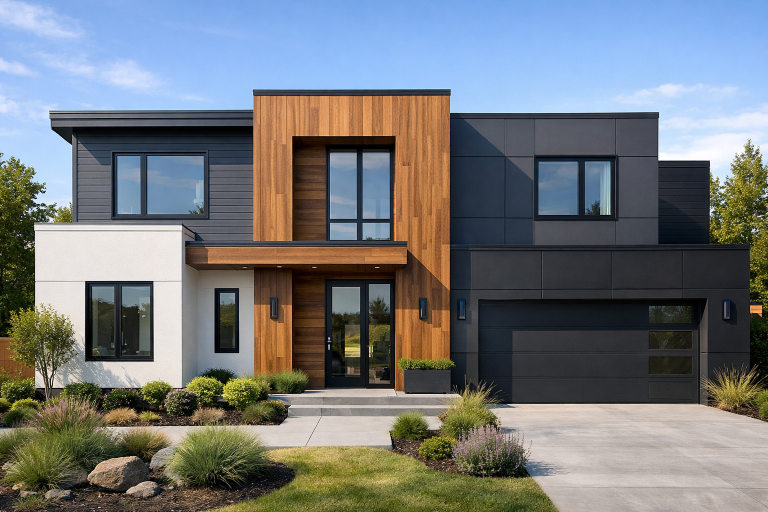
Today’s architects and designers frequently experiment with juxtaposing different siding materials. An exterior might combine cool gray stucco with natural wood beams or add metal accents to a brick façade for contrast and visual interest. This creative process results in one-of-a-kind homes and allows for the expression of personality and innovation in residential design, underscoring the trend toward individualized style. Along with establishing a dynamic visual rhythm, mixing materials can delineate zones of the home, accentuate entrances, or break up the massing of larger buildings. Color blocking with different finishes, such as pairing dark metal panels with pale composite boards, further boosts curb appeal. Blending materials also means leveraging the best qualities of each, such as combining fiber cement's insulation with metal's resilience, providing functional benefits in addition to aesthetics.
Conclusion
Choosing the ideal exterior finish is about balancing style, protection, sustainability, and comfort. Current innovations give custom homeowners a wealth of choices to craft façades that are as enduring as they are visually compelling. By mixing and matching today’s top finishes, homeowners can achieve both aesthetic harmony and practicality in their dream home. As material technologies continue to evolve, the range of finishes is likely to expand further, offering new textures, colors, and performance features. Whether prioritizing sustainability, low maintenance, or bold design, today's exterior wall finishes empower homeowners to realize their architectural vision with confidence. Thoughtful selection and collaboration with experienced architects or builders ensure that every exterior finish not only looks stunning but also serves and protects for decades to come.