
Are You Valued for Who You Are or Just Needed for What You Do?
Table of Contents
- Understanding the Difference Between Being Needed and Being Valued
- The Psychological Impact of Feeling Valued
- The Workplace Perspective: Valuing Employees Beyond Their Roles
- Building Relationships Where You Feel Valued
- Conclusion
In the rhythm of everyday life, both in our personal circles and at work, we often wonder whether others appreciate us for who we really are or just for the roles we play. This distinction runs deeper than most realize, shaping how secure we feel and our mental health. If you sometimes ask yourself, “Do they care about me as a person, or just appreciate my efforts?” you are not alone. These questions affect our self-esteem, sense of belonging, and even our willingness to stay engaged in relationships. This concept isn’t just about feeling useful. Rather, it reflects the difference between feeling needed and feeling genuinely valued. As you navigate friendships, family dynamics, and workplace interactions, it is important to consider if you are being seen and appreciated for all that makes you unique, and not just for what you can give. If you resonate with the desire to understand this better, you may also want to explore the topic further at Do You Love To Be Needed – OR NEED TO BE LOVED. The impacts of this question echo across all types of relationships. For some, the need to feel indispensable stems from childhood patterns or insecurity, while others respond to recurring workplace demands or friend group dynamics. Recognizing where you stand in this balance can make a world of difference in how you approach existing relationships and how you advocate for yourself moving forward. Whether your value seems to hinge on your capabilities or the qualities you bring simply by being yourself, understanding this difference is critical. Experts say this awareness directly affects happiness, stress management, and relationship longevity. By acknowledging and addressing these dynamics, you can begin to cultivate healthier bonds and a deeper sense of self-worth.
Understanding the Difference Between Being Needed and Being Valued
Being needed usually relates to the tangible contributions you make. For example, you might be the one who always plans events, supports colleagues on big projects, or lends a helping hand during a crisis. These contributions are important and often appreciated, and can provide you with a sense of purpose or belonging. However, being needed does not automatically mean others cherish your personality, values, or perspectives. Roles and tasks can shift or be replaced, but the unique qualities you bring to any situation cannot.
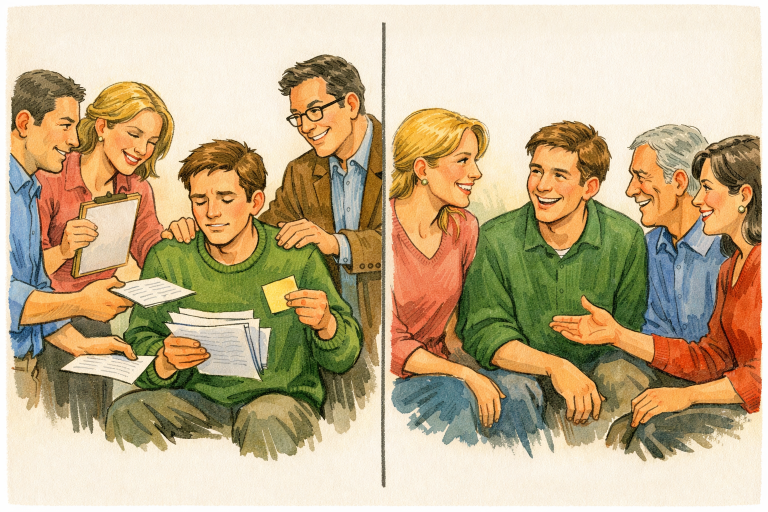
Feeling valued, by contrast, is about being acknowledged for your character, humor, empathy, or insight, characteristics that have nothing to do with productivity or output. Valued relationships are rooted in genuine admiration and recognition, and they foster deeper, longer-lasting connections. This distinction is central to emotional well-being and helps to create environments where you can be your most authentic self.
The Psychological Impact of Feeling Valued
According to mental health professionals, the need to feel genuinely valued is a core human drive. Studies show that people who feel truly seen and appreciated are less likely to experience depression, anxiety, or burnout. In contrast, when you feel replaceable or ignored outside your functional value, stress hormones remain elevated, affecting your immune system, heart health, and even your sleep patterns. These findings remind us that emotional validation is as essential as any physical need.
Recognizing When You Are Only Valued for What You Do
- People only reach out when they need a favor, rather than for genuine company.
- Your accomplishments or acts of service overshadow your personality or opinions in conversations.
- Expressions of gratitude or feedback relate only to tasks, not to who you are as an individual.
- You feel overlooked or undervalued unless you’re actively fulfilling a specific role.
If most of your interactions focus solely on what you can provide, this may indicate a transactional dynamic, making it harder to feel truly appreciated. While reciprocity is natural, balanced relationships go beyond simple exchanges of effort, time, or resources.
The Workplace Perspective: Valuing Employees Beyond Their Roles
In professional environments, employees often find themselves caught in the gap between utility and value. Research highlights that workers who feel seen and valued beyond their job descriptions report higher job satisfaction, productivity, and loyalty. In fact, according to a recent survey, employees who do not feel adequately valued are twice as likely to experience mental health concerns that impact their work performance. The need for recognition and appreciation is not a frivolous desire but a proven factor in employee well-being and the organization's overall success. Learn more about the connection between employee appreciation and productivity in this Forbes Business Council article.
Building Relationships Where You Feel Valued
- Communicate your needs:Express when you need support that is not connected to a task or role. Being able to share how you feel helps others understand and adjust their behavior.
- Seek affirming environments: Choose to invest in spaces, both professional and personal, where you’re seen as more than your output. Surrounding yourself with people who recognize your intrinsic qualities sustains well-being.
- Set boundaries: It’s essential to define what you are and are not willing to offer in any given relationship. Healthy boundaries ensure that you’re not relied upon solely for your usefulness, making room for mutual respect and appreciation.
Building such meaningful connections takes time and vulnerability. However, by advocating for your own value, you empower yourself and inspire a culture of deeper understanding, whether at home, among friends, or at work.
Conclusion
Recognizing whether you are valued for who you are or just needed for what you do is crucial to your happiness and long-term mental health. Both roles and appreciation are important in life, but the security that comes from being appreciated for your true self is unmatched. By setting boundaries, seeking out affirming environments, and advocating for genuine appreciation, you’ll invite richer relationships and a sense of fulfillment that extends beyond your usefulness. Investing in these deeper connections ultimately enriches not just your own life, but the communities and workplaces you are part of.
- How To Compare Honolulu Neighborhoods by Commute, Cost, and Daily Life - October 28, 2026
- How to Make a Clinton Walk-In Urgent Care Request - October 28, 2026
- Water-Wise Lawns in Bowling Green, OH: A Seasonal Guide to Healthier Yards With Less Waste - October 28, 2026


