When to Consider Siding Upgrades for Better Home Design Integration
Your home’s exterior is the first thing people notice, but have you ever considered how it ties into the overall design of your space? While we often focus on creating beautiful interiors, the outside of your home plays a crucial role in making a lasting impression and setting the tone for what’s inside. Siding, in particular, isn’t just a functional element; it’s a design choice that can elevate the look and feel of your entire home.
If your exterior feels mismatched or outdated compared to your carefully curated interior, it might be time to rethink your siding. From color and texture to material and style, siding can bridge the gap between your indoor and outdoor spaces, creating harmony and balance. In this article, we’ll explore when to consider siding upgrades and how they can enhance your home design for a seamless, stylish look.
Why Siding Matters for Home Design
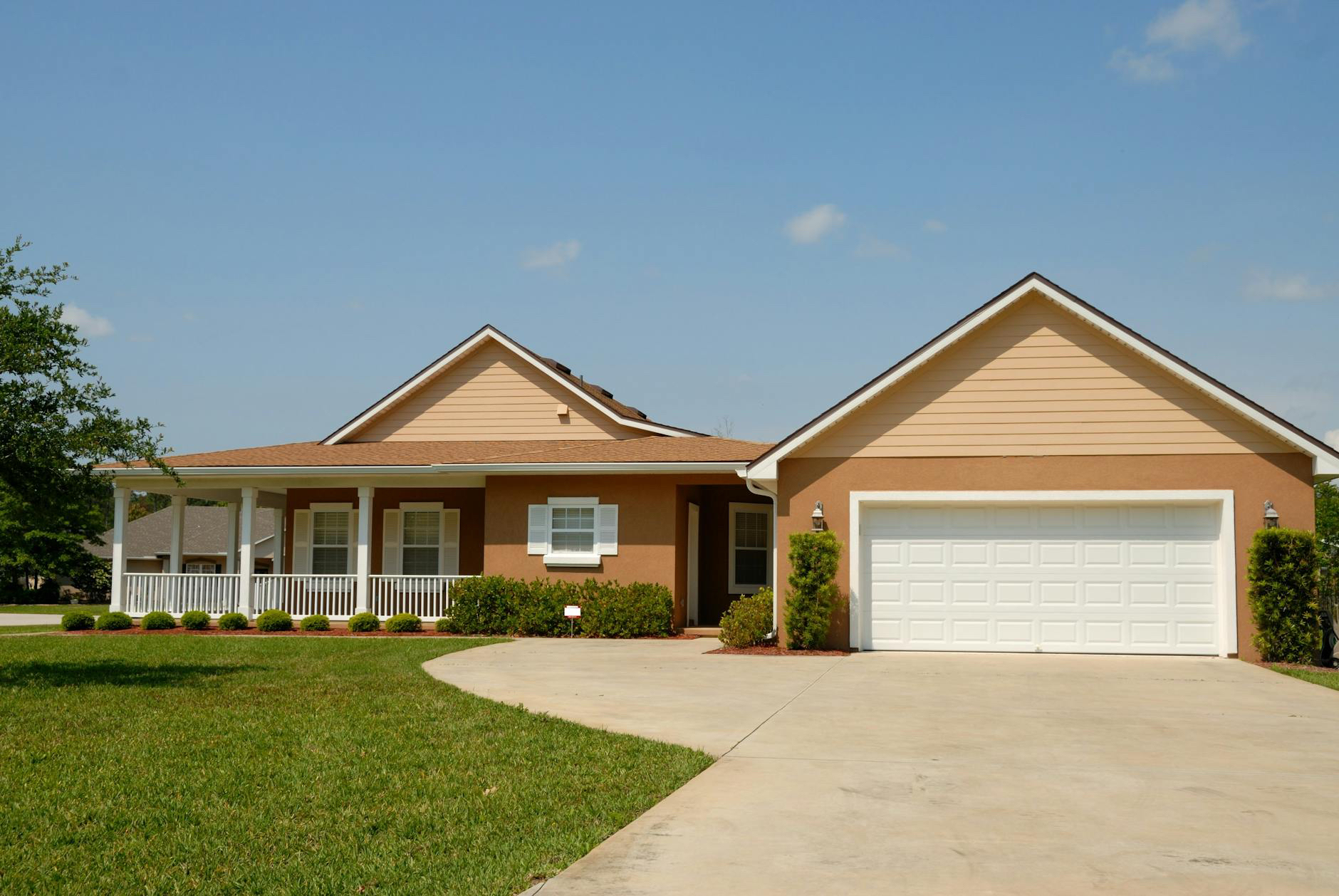
Siding does much more than protect your home from the elements—it’s a key player in creating a cohesive and inviting look. The right siding choice can set the stage for your home’s overall style, making it a natural extension of your interior design. Whether you’re going for a modern, rustic, or traditional vibe, your siding helps define your home’s personality before anyone steps through the door.
Think of siding as the first layer of your home’s story. Just as a well-chosen wall color inside can tie a room together, the exterior siding should complement and enhance your home’s architectural style. For instance, sleek, horizontal siding pairs beautifully with contemporary interiors featuring clean lines and neutral tones. On the other hand, textured siding like wood or stone creates a natural transition for homes with rustic or farmhouse-inspired decor.
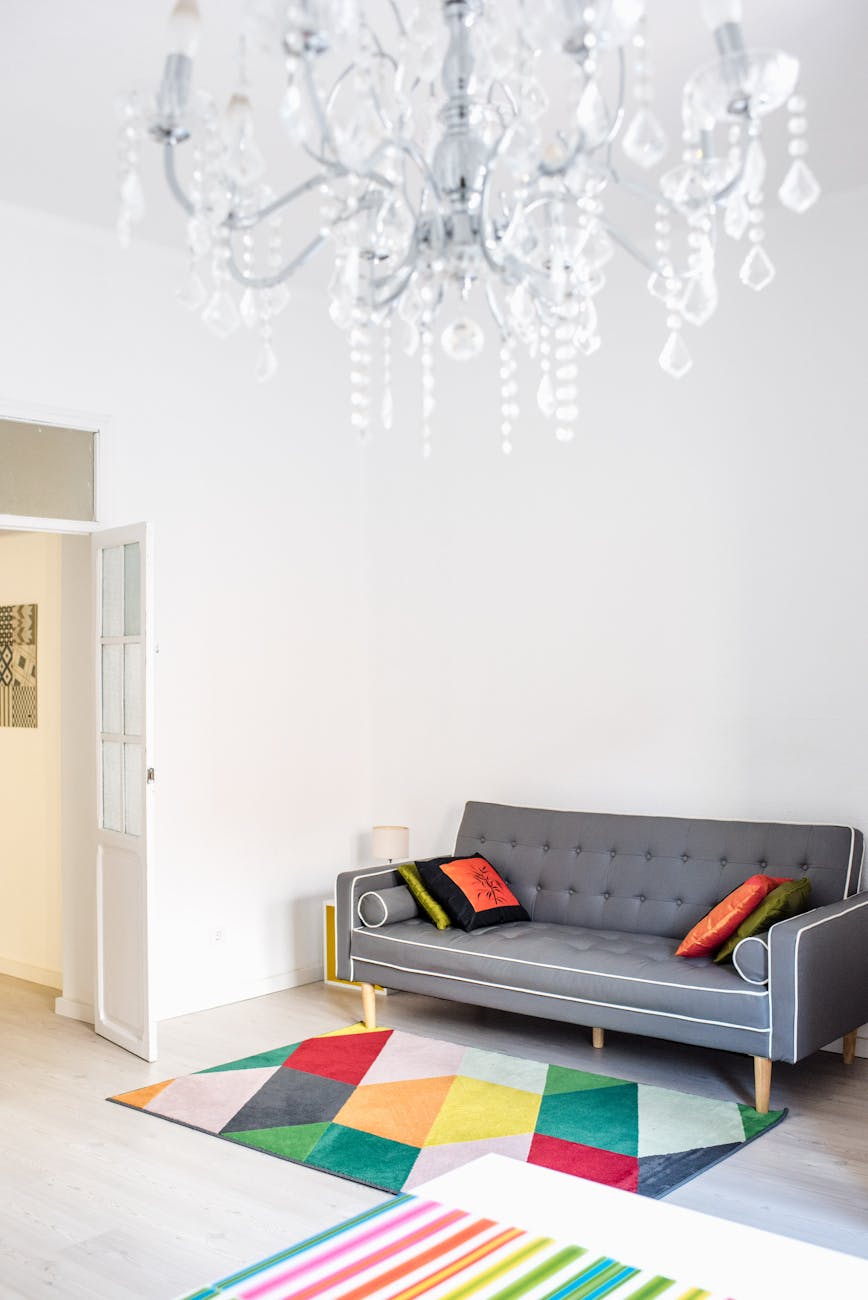
Beyond aesthetics, siding also influences how people perceive your home’s design as a whole. A mismatched exterior can create a sense of disconnection, while cohesive siding and interior elements bring a sense of harmony. Imagine a bright, colorful living room matched with dull, faded siding—it can feel like two different homes. Choosing siding that echoes your interior’s color palette, texture, or mood helps establish a seamless flow from outside in.
Ultimately, siding is your home’s visual handshake—it introduces your style and sets expectations for what’s inside. By carefully considering your siding as part of your overall home design, you can make a bold statement that feels both intentional and inviting.
Signs It’s Time to Upgrade Your Siding
Recognizing when to upgrade your siding is essential for maintaining your home's aesthetic appeal and structural integrity. Here are key indicators that suggest it's time to consider a siding upgrade:
Visible Damage or Wear
Over time, siding can exhibit signs of deterioration such as cracks, warping, or rotting. These issues not only diminish your home's appearance but also compromise its protection against the elements. If you notice such damage, it's advisable to consult a professional to assess the extent and recommend appropriate solutions.
Frequent Maintenance Needs
If your siding requires constant upkeep—like regular painting or repairs—it may be more cost-effective to invest in new, low-maintenance materials. Modern siding options are designed for durability and ease of care, reducing the time and money spent on maintenance.
Energy Efficiency Concerns
Older siding may lack proper insulation, leading to increased energy bills due to heat loss in winter and heat gain in summer. Upgrading to energy-efficient siding can enhance your home's insulation, resulting in more consistent indoor temperatures and lower utility costs.
Outdated Appearance
Siding that looks dated or doesn't align with your interior design can affect your home's overall aesthetic. Updating your siding allows you to choose colors and styles that harmonize with your interior décor, creating a cohesive look.
Mold or Mildew Growth
The presence of mold, mildew, or fungus on your siding indicates moisture infiltration, which can lead to structural damage. Addressing this promptly by upgrading your siding can prevent further issues and protect your home's integrity.
When considering a siding upgrade, it's beneficial to consult with professionals who can help you choose the right options for your home. For instance, a quick siding contractor near me search can help you find experts offering a range of siding choices that enhance both the functionality and appearance of your home. Their expertise can guide you in selecting materials and styles that best suit your home's design and needs.
By paying attention to these signs and seeking professional advice, you can ensure your home's exterior remains both beautiful and resilient.
Tips for Choosing Siding That Complements Interior Design
Selecting the right siding isn’t just about durability or curb appeal—it’s also about creating harmony between your home’s exterior and interior design. Here are practical tips to help you choose siding that reflects and enhances your interior aesthetic:
Coordinate Colors with Your Interior Palette
Your home’s color scheme should feel cohesive from the outside in. If your interior features neutral tones with pops of color, consider siding in complementary shades. For instance, a soft gray siding pairs beautifully with an interior palette of whites and muted pastels, while darker siding like navy or charcoal creates a striking backdrop for interiors with bold accents.
Pro Tip: Bring paint swatches or photos of your interiors to your siding consultation to visualize how the colors will work together.
Match Textures and Materials to Your Style
The texture of your siding can echo the design elements within your home. For example:
- Rustic Interiors: Opt for wood or wood-look siding to mirror natural textures found in rustic or farmhouse interiors.
- Modern Interiors: Sleek siding materials, such as fiber cement or metal, align with clean lines and minimalist themes.
- Classic Interiors: Traditional vinyl or clapboard siding complements timeless decor with its simple elegance.
This alignment helps create a seamless flow, making the transition from outside to inside feel intentional.
Think About Architectural Flow
Consider how your home’s exterior architecture interacts with its interior layout. For example, siding with vertical panels can accentuate height, making it a perfect match for interiors with tall ceilings or large windows. Horizontal siding, on the other hand, lends a grounded, expansive feel, which suits open floor plans.
Incorporate Local Trends with Personal Style
While siding should reflect your personal taste, it’s also wise to consider local design trends. Homes in coastal areas, for instance, often feature light-colored or weathered wood siding, which blends beautifully with nautical-inspired interiors.
Leverage Visual Tools and Samples
Many contractors offer tools to help you visualize siding options on your home. Taking advantage of these resources can help you see how potential choices will complement your interior before making a final decision. Additionally, requesting samples allows you to compare textures and colors up close.
By following these tips, you can select siding that enhances your home’s design both inside and out, ensuring a cohesive look that feels thoughtfully curated. When done right, the result is a harmonious balance where your home’s exterior sets the stage for the beauty within.
Practical Benefits of Siding Upgrades Beyond Design
While aesthetics and design integration are essential, siding upgrades also bring practical benefits that go beyond appearances. Here’s how updating your siding can enhance your home’s overall functionality:
Increased Energy Efficiency
Modern siding materials often come with improved insulation properties, helping to regulate your home’s temperature throughout the year. This upgrade reduces energy consumption and leads to lower utility bills, making it a smart investment for eco-conscious homeowners. Learn more about how siding can impact your home’s energy bills from this helpful resource on energy-efficient siding.
Enhanced Durability
New siding materials are designed to withstand harsh weather conditions, from heavy rain to extreme heat. Choosing durable siding options reduces the need for frequent repairs and ensures your home stays protected for years to come.
Improved Home Value
An upgraded, cohesive exterior makes a significant difference in curb appeal, which can boost your home’s market value. Adding personalized touches, such as DIY projects, can make your outdoor space more inviting and visually appealing. For example, crafting milk glass mason jars is a creative way to incorporate seasonal charm into your exterior design, enhancing both aesthetics and functionality.
Low-Maintenance Living
Many modern siding options, such as fiber cement or vinyl, are designed to be low maintenance. This saves time and effort in cleaning, repainting, or repairing, allowing you to focus on other aspects of home upkeep.
By choosing siding that not only enhances your design but also brings these practical benefits, you can improve your home’s functionality and enjoy a better return on your investment.
Conclusion: Bringing It All Together
Siding is more than just a protective shell for your home—it’s an opportunity to integrate your exterior and interior designs into one cohesive, harmonious look. Whether it’s through choosing complementary colors, textures, or architectural styles, the right siding can elevate your home’s aesthetic appeal and functionality.
Upgrading your siding is also a practical decision, offering energy efficiency, durability, and increased home value. If you’re noticing signs that it’s time for a refresh, don’t overlook the impact a well-chosen siding upgrade can make.
Take a moment to step outside and assess your home’s exterior. Imagine how a thoughtful siding choice could transform not only the way your home looks but also how it feels to live in. It’s the perfect way to make your home truly shine—inside and out.
- Understanding Plumbing Challenges and Solutions in Rogers, Arkansas - July 24, 2026
- Dental Implants in Rapid City, SD: Restoring Smiles for the Community - July 24, 2026
- Innovative Vision Solutions for the Modern Era - July 22, 2026