
When to Consider an AC System Replacement
Key Signs Your Air Conditioner Is Going Bad
Understanding the subtle and not-so-subtle cues your air conditioning system provides is crucial for early detection of problems. From unusual noises to changes in your utility bills, these indicators can help you determine if your AC is on the verge of failure. Paying attention to these signs can prevent minor issues from escalating into major, costly repairs or even a full system replacement. We encourage homeowners to familiarize themselves with these common symptoms, enabling them to take timely action.
Warm Air and Insufficient Airflow
One of the most immediate and frustrating signs that your AC is going bad is when it begins to blow warm or lukewarm air instead of the refreshing cold you expect. This issue can stem from several problems within the system. A common culprit is a refrigerant leak, which reduces the system's ability to absorb heat from your home. Without sufficient refrigerant, the evaporator coil cannot properly cool the air.
Another significant factor is insufficient airflow, which often manifests as weak air coming from your vents. This can be caused by a severely dirty air filter, which restricts the amount of air that can pass through the system, forcing your blower motor to work harder and less efficiently. Over time, this strain can lead to motor failure. Additionally, ductwork blockagesor leaks can significantly reduce the volume of conditioned air reaching your living spaces. When your AC struggles to circulate air effectively, it not only compromises comfort but also places undue stress on the entire system, paving the way for more severe breakdowns. Checking your air filter regularly and ensuring your vents are unobstructed are simple steps that can often resolve or prevent these issues. However, if the problem persists, it may indicate a deeper mechanical or refrigerant-related fault requiring professional attention.
Frequent Short Cycling and High Indoor Humidity
Have you noticed your AC unit turning on and off more frequently than usual? This phenomenon, known as short cycling, is a clear indicator that something is amiss. Instead of completing a full cooling cycle, the unit runs for short bursts before shutting down, only to restart again shortly after. This can be caused by a variety of issues, including an oversized unit (which cools the space too quickly and then shuts off), low refrigerant levels, or electrical problems. Short cycling is detrimental because it prevents the system from properly dehumidifying your home and puts excessive wear and tear on the compressor, significantly shortening its lifespan.
Another telltale sign of a struggling AC is persistently high indoor humidity levels, even when the unit is running. A properly functioning air conditioner not only cools the air but also removes moisture from it. If your home feels clammy or sticky, it suggests your AC is failing to perform its dehumidifying function effectively. This can be due to issues with the condensate drain, which might be clogged, preventing proper moisture removal. High humidity isn't just uncomfortable; it also creates an ideal environment for mold growth, which can lead to air quality problems and potential health issues. Addressing short cycling and high humidity promptly is essential for both your comfort and the longevity of your AC system.
Unusual Noises and Bad Odors from Vents
Your AC system typically operates with a consistent, low hum. Any departure from this normal soundscape should be a red flag. Unusual noises can signal a range of problems, from minor annoyances to serious mechanical failures. Rattling noises often indicate loose components, such as a panel or a fan blade hitting something. While seemingly innocuous, these can lead to further damage if not addressed. Grinding sounds, on the other hand, are much more concerning, often pointing to issues with motor bearings that are failing or about to seize. A persistent squealing could suggest a worn-out fan belt.
Similarly, bad odors from your AC vents are not to be ignored. A musty odor is a classic sign of mold or mildew growth within the ductwork or on the evaporator coil, often due to excess moisture that isn't draining properly. This not only affects air quality but can also exacerbate allergies and respiratory issues. A sharp, chemical smell might indicate a refrigerant leak, which requires immediate professional attention due to potential health hazards. Perhaps most alarming is a burning smell, which often signals an electrical problem, such as an overheated motor or frayed wiring. If you detect an electrical burning scent, it's crucial to turn off your AC unit immediately and contact a professional to prevent fire hazards. These sensory clues are vital diagnostic tools for understanding your AC's health.
Understanding Compressor Failure and System Age
At the heart of every air conditioning system lies the compressor, a critical component responsible for circulating refrigerant and facilitating the cooling process. When this part begins to fail, it can bring your entire system to a halt. Beyond individual component failures, the overall age of your unit plays a significant role in its performance and reliability, often dictating whether repair or replacement is the more prudent choice.
The Role of a Bad AC Compressor
The compressor, located in your outdoor condenser unit, is essentially the engine of your AC system. It's responsible for compressing the refrigerant, which then flows through the system, absorbing heat from your home and releasing it outside. When you experience compressor failure, your AC's ability to cool your home is severely compromised, if not completely lost. Signs of a failing compressor can include the unit struggling to start, often referred to as “hard starting,” where you might hear a loud click or hum before it attempts to kick on. This often indicates issues with the start capacitor or the compressor itself drawing too much power.
A failing compressor can also lead to inadequate refrigerant pressure, which directly impacts cooling efficiency. If the compressor isn't circulating refrigerant effectively, the entire cooling cycle is disrupted. Sometimes, a compressor issue might cause your circuit breaker to trip repeatedly as the unit attempts to draw more power than it should. Given the compressor's central role and its high replacement cost, a faulty compressor often pushes homeowners towards considering a full system replacement rather than a repair, especially if the unit is older.
How Lifespan and Age Dictate AC System Replacement
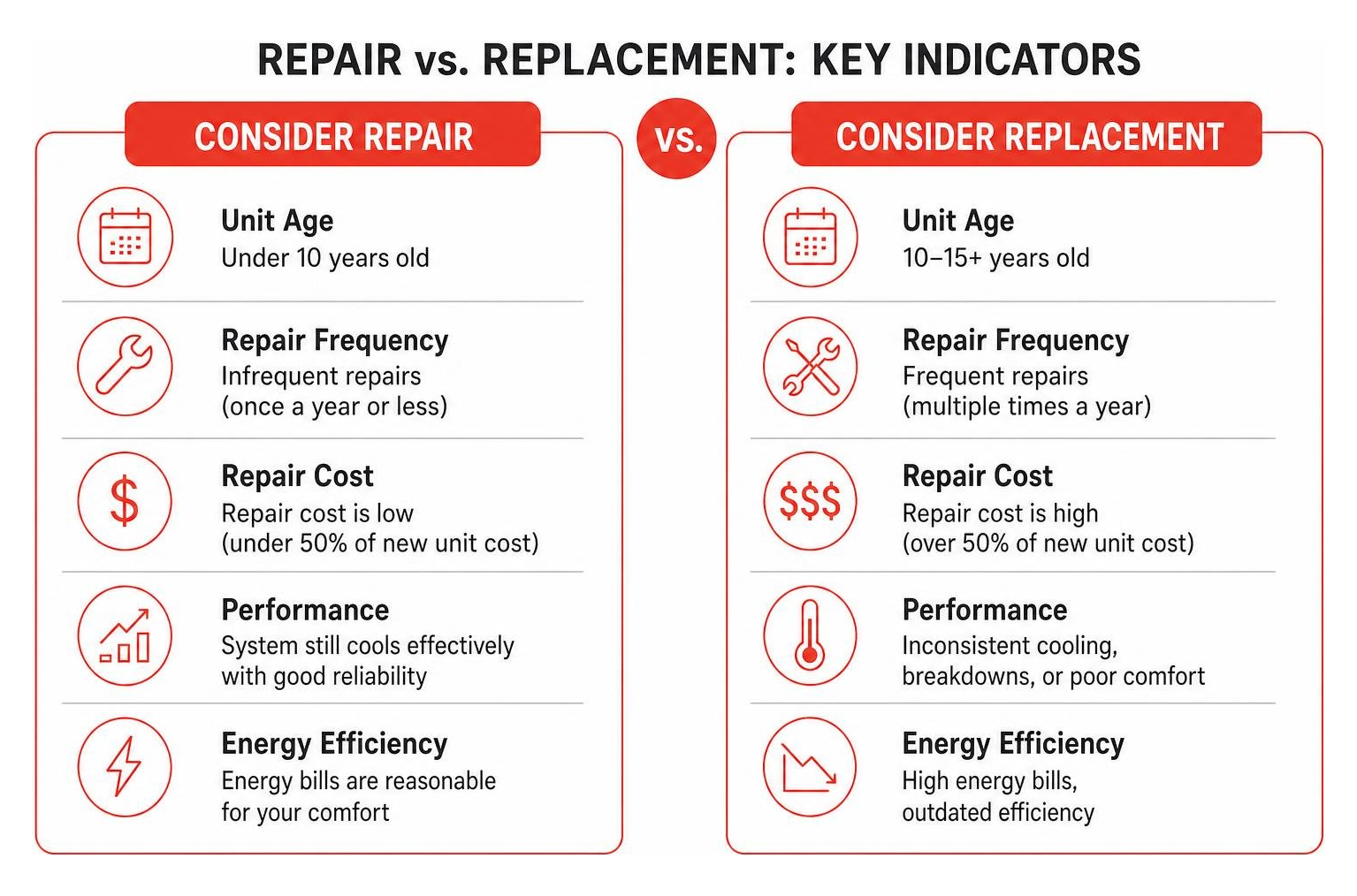
Most air conditioning units have a lifespan of about 10-15 years with proper maintenance. As your unit approaches or exceeds this age, several factors begin to impact its performance and reliability. Older systems are generally less energy-efficient than newer models, meaning they consume more electricity to achieve the same cooling effect. This can lead to significantly higher utility bills, making an old unit more expensive to operate in the long run.
A key consideration for older AC units, particularly those installed before 2010, is the type of refrigerant they use. Many older systems rely on R-22 refrigerant, which has been phased-out due to its ozone-depleting properties. This means that if your R-22 system develops a refrigerant leak or requires a recharge, finding the refrigerant can be difficult and expensive. Furthermore, the cost of repairing an aging system, especially if it's experiencing frequent breakdowns, can quickly accumulate to a point where it rivals the cost of a new, more efficient unit. When your AC system starts demanding constant attention and repairs, it's often a clear signal that it’s time to consider a replacement. For comprehensive information on when to repair, maintain, or replace your AC system, including insights into the latest energy-efficient options, you can explore resources dedicated to AC repair maintenance and system replacements. This is a crucial decision point for many homeowners, weighing the immediate cost of repair against the long-term benefits of a new installation.
Troubleshooting and When to Call a Professional
While some AC problems undeniably require professional expertise, many common issues can be identified, and sometimes even resolved, by homeowners through basic troubleshooting. Understanding these steps not only saves time and potential service call fees but also helps you communicate more effectively with technicians when professional help is needed. However, it's equally important to recognize when a problem is beyond DIY fixes and requires the specialized knowledge of an HVAC expert. Regular preventive maintenance and an annual inspection are the best ways to keep your system running smoothly and catch potential issues before they become major problems. Your AC system contains powerful electrical components and pressurized refrigerants, so safety should always be your top priority.
Safe DIY Troubleshooting Steps
Before calling a professional, there are several safe and easy troubleshooting steps you can take if your AC isn't performing as expected:
- Air Filter Replacement: The most common cause of AC problems is a dirty air filter. Check your filter every month and replace it if it's clogged with dust and debris. A clean filter ensures proper airflow and system efficiency.
- Circuit Breaker Check: If your AC unit isn't turning on at all, check your home's electrical panel for a tripped circuit breaker. Sometimes, an overload or a minor electrical hiccup can cause the breaker to trip. Resetting it might restore power. Also, check any safety switches near the outdoor unit or furnace.
- Thermostat Batteries and Settings: Ensure your thermostat has fresh batteries, as dead batteries can prevent it from communicating with your AC unit. Also, double-check that your thermostat is set to “cool” mode and that the temperature setting is lower than the current indoor temperature.
- Condenser Clearance: Your outdoor condenser unit needs clear space around it to operate efficiently. Clear away any debris, leaves, or overgrown vegetation that might be blocking airflow to the unit. Maintain at least 2-3 feet of clearance on all sides and 5 feet above.
- Drain Line Flush: If you notice small water leaks, a clogged drain line might be the culprit. You can often clear minor clogs by carefully flushing the line with a mixture of distilled vinegar and water. This helps prevent algae and mold buildup.
These basic checks can often resolve simple issues, but always prioritize your safety. If you're uncomfortable with any step or if the problem persists, it's time to call in the experts.
When to Choose AC System Replacement Over Repair
Deciding whether to repair your existing AC unit or invest in a new one is a common dilemma for homeowners. This decision often hinges on several factors, including the frequency and cost of frequent repairs, the age of your unit, and its overall system reliability. If your AC unit is consistently breaking down, requiring multiple service calls within a short period, the cumulative cost of repairs can quickly outweigh the benefits.
Another significant consideration is your energy bills. Older AC units, especially those over 10-15 years old, are typically far less energy-efficient than modern systems. Even if an old unit is “working,” it might be costing you a fortune in electricity. New units boast higher efficiency ratings, such as SEER2 (Seasonal Energy Efficiency Ratio 2), which reflect their ability to cool your home using less energy. Upgrading to a system with a high SEER2 rating can lead to substantial long-term savings on your utility bills. If a major component like the compressor fails on an older unit, or if the cost of a single repair exceeds 50% of the cost of a new unit, replacement often becomes the more financially sound decision. A new system offers improved performance, enhanced comfort, and the peace of mind that comes with a manufacturer's warranty, making it a wise investment in your home's future.
Planning for an AC System Replacement
Once you've determined that an AC system replacement is the best course of action, careful planning is essential to ensure you choose the right unit for your home and needs. This isn't just about picking the cheapest option; it's about investing in long-term comfort, efficiency, and indoor air quality.
One of the most critical steps is determining the correct BTU capacity for your new unit. An AC that is too small won't adequately cool your home, while an oversized unit will short cycle, leading to uneven temperatures, high humidity, and increased wear and tear. A professional HVAC technician will perform a detailed load calculation (often called a Manual J calculation) to accurately assess your home's specific cooling needs, taking into account factors like square footage, insulation levels, window types, and sun exposure.
Beyond cooling capacity, consider features that enhance your indoor air quality. Many modern AC systems can be integrated with advanced air filtration systems, UV lights, and humidifiers/dehumidifiers to create a healthier living environment. Furthermore, exploring energy-efficient upgrades is paramount. High-efficiency models not only save you money on utility bills but also contribute to a smaller carbon footprint. Look for units with high SEER2 ratings and consider smart thermostats that optimize performance. A new AC system is a significant investment, but with proper planning and professional guidance, it can provide years of reliable, efficient, and comfortable cooling.
Frequently Asked Questions About Failing AC Units
We understand that homeowners often have specific questions when their AC unit starts acting up. Here, we address some common homeowner concerns and provide practical troubleshooting tips to help you understand your system's performance and decide on the next steps.
Why is my AC blowing warm air instead of cold?
This is one of the most common and frustrating issues. Several factors can cause your AC to blow warm air. The most frequent culprits include a low refrigerant charge, often due to a leak, which means the system doesn't have enough of the chemical necessary to absorb heat. A dirty condenser coil on the outdoor unit can also hinder heat dissipation, making the system less efficient. Issues with your thermostat, such as incorrect thermostat calibration or settings, can also trick the system into not cooling properly. Finally, serious problems like a failing compressoror a broken fan motor can prevent the cooling cycle from completing. After checking your air filter and thermostat settings, if the air remains warm, it's best to consult a professional.
What should I do if I notice water leaks around my AC?
Water leaks around your indoor AC unit are a clear sign of a problem and should be addressed promptly to prevent water damage. The most common cause is a clogged condensate line, which prevents the water removed from the air from draining away properly, causing it to back up and overflow. Another possibility is a frozen evaporator coil, which occurs when airflow is restricted (e.g., by a dirty filter) or due to low refrigerant. As the ice melts, it can overwhelm the drain pan. An overflowing drain pan itself can also be the issue if it's cracked or incorrectly installed. If you notice a leak, turn off your AC unit immediately to prevent further damage. You can try to clear a minor condensate line clog yourself, but for persistent leaks or if you suspect a frozen coil, professional help is recommended.
Why are my energy bills suddenly spiking?
A sudden and unexplained increase in your energy bills, especially during months when your AC is heavily used, is a strong indicator of system inefficiency. Your AC unit might be working harder than necessary to maintain your desired temperature. Common reasons for this include clogged filters, which restrict airflow and make the blower motor strain. Duct leaks can also cause significant energy loss, as conditioned air escapes into unconditioned spaces like attics or crawl spaces. An aging system with worn-out components will naturally lose efficiency over time, requiring more power to do the same job. Furthermore, if your AC is experiencing continuous operation (running almost constantly) due to being undersized or having a major fault, it will naturally consume more electricity. Regularly monitoring your energy consumption and addressing these issues proactively can help keep your bills in check and extend your AC's life.
Conclusion
Recognizing the signs that your AC is going bad is the first step toward maintaining a comfortable and energy-efficient home. From warm air and insufficient airflow to unusual noises, high humidity, and spiking energy bills, these indicators provide crucial insights into your system's health. By understanding the role of key components like the compressor and considering the age and efficiency of your unit, you can make informed decisions about whether to repair or opt for a new AC system replacement.
While basic troubleshooting can resolve minor issues, knowing when to call a professional HVAC technician is paramount for safety and effective solutions. Investing in proactive maintenance not only extends the lifespan of your unit but also ensures consistent home comfort and significant energy savings. Don't wait for a complete breakdown in the sweltering heat of July 2026. By acting on these warning signs, you can ensure you continue to enjoy reliable cooling for years to come.
- When to Consider an AC System Replacement - August 17, 2026
- 10 Best Window And Door Replacement Companies In Peoria, Illinois - August 17, 2026
- 6 Best Immersive Museums And Interactive Experiences In Boston - August 17, 2026


