
The Rise of Lab Diamonds: Are They the Future of Fine Jewelry
The world of fine jewelry is evolving, and nowhere is that transformation more apparent than in the growing popularity of lab-grown diamonds. Once viewed as an alternative with limited appeal, lab diamonds are now entering the mainstream as buyers seek ethical, sustainable, and cost-effective alternatives to traditional mined stones. Jewelers around the globe are embracing this shift, offering customers high-quality gems that are virtually indistinguishable from their natural counterparts.
While tradition still holds sway in some circles, changing consumer preferences, particularly among younger generations, are quickly reshaping the industry. Today’s buyers are more informed, environmentally conscious, and value-driven, leading to a surge in interest in diamonds created in a lab.
Understanding the Appeal of Lab-Grown Diamonds
Lab-grown diamonds are not simulants like cubic zirconia or moissanite. They are chemically, physically, and optically identical to natural diamonds. The only difference lies in their origin. Rather than forming over billions of years beneath the Earth’s crust, these diamonds are created under controlled conditions in a laboratory using advanced technology that replicates the natural formation process.
Because of this, lab diamonds offer remarkable clarity, consistency, and quality. Buyers get more for their money, often affording a larger or higher-grade stone than they might with a mined option. These stones avoid the ethical issues often associated with traditional mining, such as environmental degradation or conflict zone sourcing.
The shift toward lab diamonds is not just about science or savings, it’s about transparency and accountability in an industry that has long operated behind closed doors. For many consumers, these factors make lab-grown gems a far more attractive option.
Expanding Product Lines and Modern Styling
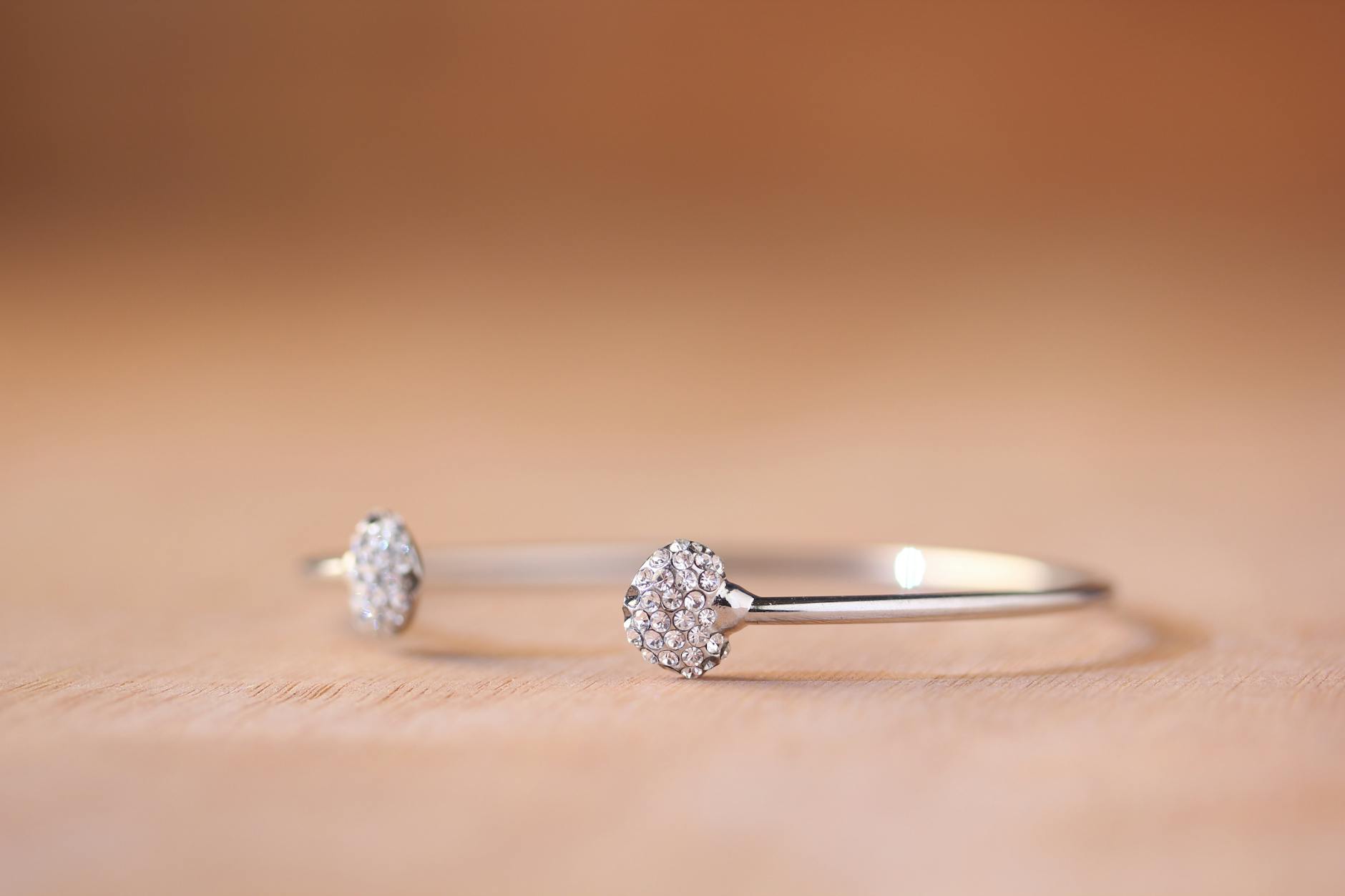
Jewelry designers have begun to fully embrace the creative potential of lab diamonds. What started with engagement rings has now expanded to include everything from earrings and necklaces to high-end accessories. In particular, lab diamond bracelets are gaining attention in the middle of the fine jewelry market for their elegance, affordability, and sustainable appeal. This broader availability has helped lab diamonds shed their niche image. No longer confined to budget-conscious shoppers, lab-grown pieces are now offered by luxury brands and custom jewelers alike.
The versatility of these gems allows designers to explore bolder settings and contemporary styles without being restricted by traditional pricing or supply limitations. As a result, customers enjoy access to an expansive selection of designs that cater to both classic and modern tastes, without sacrificing quality or visual appeal.
Environmental and Ethical Considerations
One of the biggest drivers behind the rise of lab diamonds is their environmental impact, or rather, their reduced footprint. Traditional diamond mining can be resource-intensive, involving large-scale excavation, water usage, and habitat disruption. Lab-grown diamonds typically require far fewer natural resources and generate significantly less waste.
From an ethical standpoint, lab diamonds eliminate concerns related to conflict or “blood” diamonds. These are diamonds mined in war zones and sold to finance armed conflict, often involving forced labor and human rights abuses. Though regulatory frameworks like the Kimberley Process aim to reduce the trade in conflict diamonds, enforcement challenges remain.
Shifting Market Dynamics and Consumer Trends
Millennials and Gen Z are at the forefront of the lab diamond boom. These generations value sustainability, ethical sourcing, and authenticity, and they’re not afraid to challenge traditional norms. Surveys show that many young buyers are open to or prefer lab-grown diamonds, particularly when it means they can purchase a larger or higher-quality gem for less money.
Social media plays a significant role in spreading awareness. Platforms like Instagram and TikTok allow influencers and jewelers to showcase stunning lab-created designs, making them more accessible and aspirational. As the stigma surrounding lab diamonds fades, they’re becoming a desirable status symbol in their own right.
Industry Response and Market Expansion
Major players in the jewelry industry have taken notice of the shift toward lab-grown gems. Brands that once focused solely on natural diamonds are now expanding their collections to include lab-created options. This isn’t just a concession, it’s a recognition of evolving market demand.
Retailers are investing in educational campaigns to help customers understand the differences and similarities between lab and mined diamonds. By providing transparency around sourcing, grading, and pricing, jewelers build trust and encourage more informed purchasing decisions.
The Future of Fine Jewelry
The rise of lab-grown diamonds marks a significant turning point in the jewelry industry. These gems are no longer a lesser alternative, they’re a viable and often superior choice for consumers who value quality, sustainability, and ethics. As technology advances and public awareness grows, lab diamonds are expected to continue capturing market share and reshaping consumer expectations.
That doesn’t mean natural diamonds are going away. There will always be a market for traditional stones, particularly among collectors and those drawn to the rarity of earth-formed gems. The growing popularity of lab diamonds suggests that the future of fine jewelry will be one where both options coexist, and where transparency, values, and innovation lead the way.
Lab diamonds represent more than just a shift in sourcing, they reflect a broader cultural change. As consumers demand more meaningful purchases, the jewelry industry is evolving to meet those expectations. Whether for engagement, celebration, or self-expression, lab-grown diamonds offer a brilliant way forward.
- How To Compare Honolulu Neighborhoods by Commute, Cost, and Daily Life - October 28, 2026
- How to Make a Clinton Walk-In Urgent Care Request - October 28, 2026
- Water-Wise Lawns in Bowling Green, OH: A Seasonal Guide to Healthier Yards With Less Waste - October 28, 2026


