The Impact of Cinematic Storytelling on Memory Formation
Table of Contents
- The Brain's Encoding of Stories
- Event Segmentation in Memory
- Emotional Arousal and Memory Formation
- Collective Narratives and Shared Memories
- Cinematic Techniques That Enhance Memory
- Practical Applications in Everyday Life
- Conclusion
Cinematic storytelling has a profound impact on how we form and recall personal memories. Through carefully crafted visuals, emotional cues, and narrative structures, filmmakers can influence the way memories are encoded in the brain. These methods are not just for entertainment but have significant implications in learning, sharing experiences, and even personal reflection. Whether we watch a drama unfold on the big screen or hear a compelling story during a conversation, the effect on memory can be substantial, making moments more vivid and long-lasting. For a deeper look at cinematic storytelling in action, check out Adam Gorham Films, where narrative craftsmanship comes to life through visual art.
Understanding how these cinematic techniques shape our minds offers valuable insights for various fields, from education and psychology to marketing and business communication. The way stories are structured, presented, and emotionally charged can determine not just what we remember, but how deeply those recollections are ingrained. As science uncovers more about the intersection of storytelling and memory, it becomes clear that every element of a good story serves a purpose in how we store and retrieve our life experiences.
The Brain's Encoding of Stories
When we listen to or watch a story, our brains engage distinct networks that are primed to encode and retrieve information. Neuroscientific research reveals that storytelling style, whether it delves into sensory detail or emotional nuance, affects which neural pathways are activated during memory formation. Narratives filled with vivid sensory details can light up parts of the brain associated with perception, while emotionally rich storytelling taps into neural systems tied to empathy and emotion. How a story is delivered, therefore, can significantly influence the strength and clarity of the memory it leaves behind.
Event Segmentation in Memory
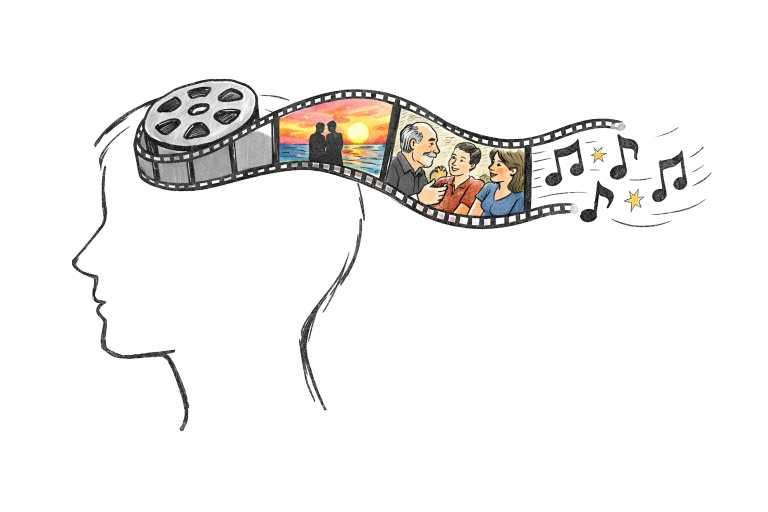
Our minds naturally break down the constant flow of experience into distinct events, similar to how a film is divided into scenes. This cognitive process, known as event segmentation, plays a key role in organizing and retaining information. When there is a major transition, a change of location, time, or action, our brains generate a response that marks the boundary between one segment and the next. This division into discrete moments creates a structured sense of narrative, making it easier to recall details later by mentally replaying the series of connected scenes, much like re-watching a movie in the mind.
Emotional Arousal and Memory Formation
Emotion is a powerful catalyst for memory. Research consistently shows that the more emotionally charged a moment is, the more likely it is to be vividly remembered over time. High arousal states cause the brain to synchronize multiple regions, strengthening the encoding of these experiences. That is why powerful scenes in movies or moments of personal joy, fear, or surprise remain crystal clear in our minds. As noted by researchers at the University of Chicago, emotional impact prompts our brains to “record” experiences more cohesively, making for stronger long-term memories.
Collective Narratives and Shared Memories
Stories are not just individual memories. They become collective when shared within groups, communities, or entire cultures. Brain imaging studies suggest that storytelling through media helps people form “collective memories,” binding individuals together through a shared recollection of events. Cultural narratives, passed down via books, films, or oral storytelling, shape societally agreed-upon versions of the past. These shared experiences reinforce a sense of community, helping people identify common values and purposes in their collective past.
Cinematic Techniques That Enhance Memory
Filmmakers employ an array of techniques designed to imprint scenes deeply into viewers' memories. Visuals with strong contrast, striking color palettes, and memorable symbols call attention to critical moments. Music and sound design evoke emotional responses that intertwine with the imagery, while deliberate pacing and editing build space for reflection or tension. Narrative tools, such as flashbacks or non-linear storytelling, invite audiences to actively participate in organizing the timeline of events, which strengthens cognitive engagement and recall.
Practical Applications in Everyday Life
The influence of cinematic storytelling extends far beyond the realm of film. In classrooms, educators can harness these techniques to make curricula more engaging and memorable for students. Marketers and advertisers use compelling brand stories to leave lasting impressions on consumers. Even in day-to-day communication, delivering messages through vibrant, emotionally resonant stories makes information more digestible and memorable. Understanding these principles empowers people to communicate with greater impact and leave enduring memories wherever storytelling is employed.
Conclusion
Cinematic storytelling is a transformative force in how we encode, retain, and share personal and collective memories. By leveraging the neuroscience of narrative processing and memory formation, we can adopt strategies that make communication more vivid and persuasive in every aspect of life. Whether in art, education, business, or everyday conversation, mastering the art of storytelling unlocks powerful possibilities for making experiences last.
- Residential Driveway Planning Guide: Materials, Drainage, Installation, and Maintenance - August 20, 2026
- A Flexible Zion National Park Itinerary for Hikers, Families, and Scenic Road Trippers - August 20, 2026
- Persistent Odors Need Source-Level Treatment: FIRESTONE Restoration Provides Professional Ottawa Sanitizing Services - August 20, 2026