
The Harsh Reality of Addiction: How to Find Help and Support
Addiction is a pervasive and deeply personal struggle that affects individuals from all walks of life. Whether it's dependency on drugs, alcohol, gambling, or even technology, addiction can erode physical health, mental well-being, relationships, and a sense of self-worth. What makes it particularly insidious is its gradual progression; what starts as a means of coping or pleasure can spiral into a controlling force. The harsh reality is that addiction ripples through families, workplaces, and entire communities.
Support systems, treatment options, and communities of recovery are available, but finding the right path can feel overwhelming. This blog post explores the difficult truths of addiction and provides a roadmap to finding help and support, no matter where you are on your journey.
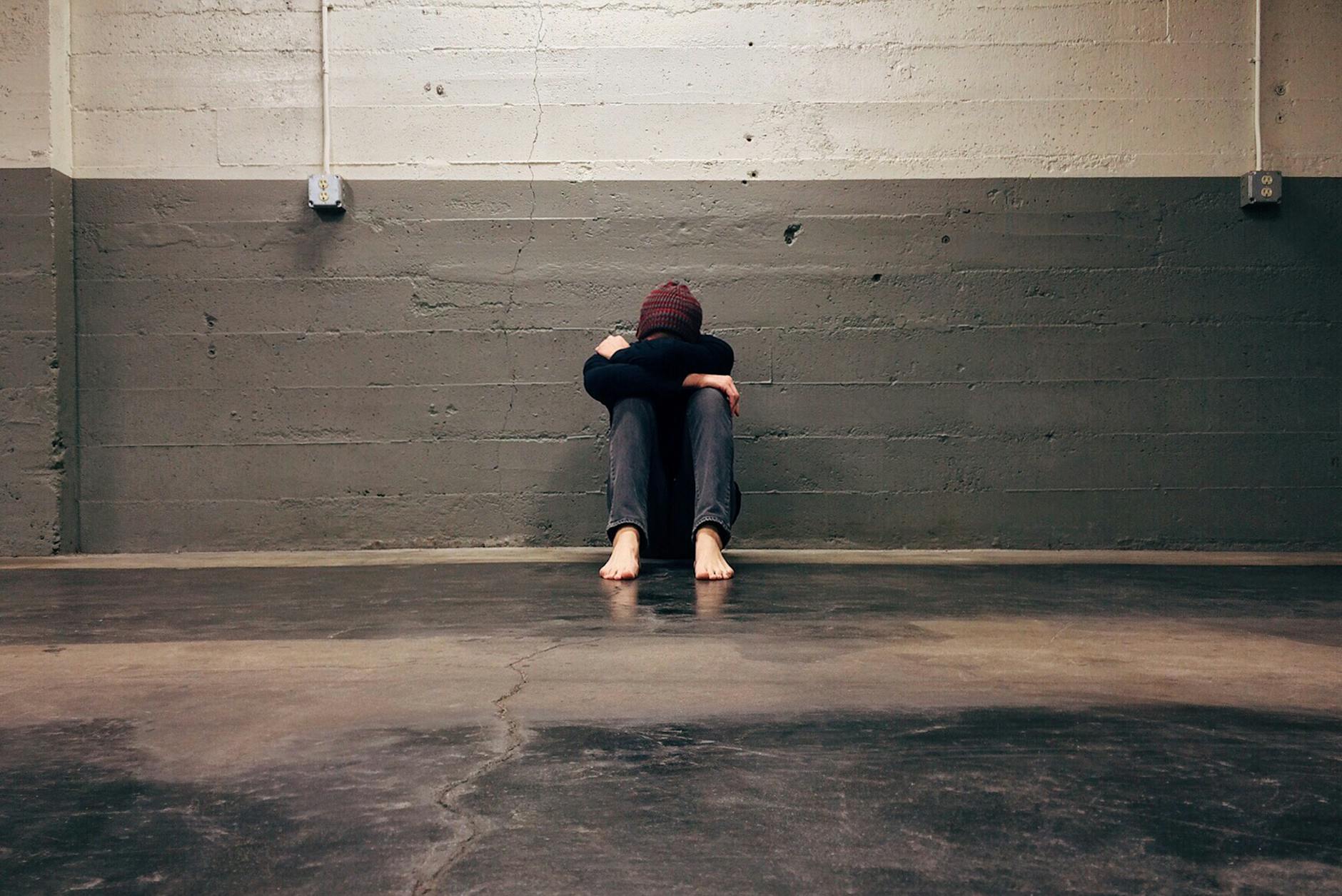
Understanding the Grip of Addiction
Addiction often begins subtly, with seemingly harmless experimentation or use that escalates over time. The brain's reward system becomes rewired, reinforcing compulsive behavior and making it difficult for individuals to stop even when they recognize the harm being done. Substance use disorders, for example, can cause significant chemical changes in the brain, affecting judgment, decision-making, and emotional regulation. Addiction becomes less about pleasure and more about avoiding pain, leading to a vicious cycle. Acknowledging the problem is the hardest first step because denial, guilt, and shame often cloud reality. Understanding addiction as a disease rather than a moral failing is critical in removing the stigma and encouraging individuals to seek help.
Recognizing the Signs in Yourself or Others
Recognizing addiction in its early stages can make a significant difference in recovery outcomes. Common signs include neglecting responsibilities, withdrawing from loved ones, changes in behavior or appearance, secrecy, and increased tolerance or withdrawal symptoms. In cases of substance abuse, physical indicators might include bloodshot eyes, weight changes, or poor hygiene. Emotional and psychological signs such as mood swings, anxiety, and depression are prevalent. For family and friends, noticing these changes can be heartbreaking and confusing, especially when the individual denies there’s an issue. Open and non-judgmental communication becomes critical, and sometimes, staging an intervention with the help of a professional can encourage the person to accept help.
Seeking Professional Help
Once addiction is acknowledged, the next step is often seeking professional help. Treatment options vary depending on the type and severity of the addiction, experts from Grove Recovery explain. Medical detox may be necessary to safely manage withdrawal symptoms, especially for substances like alcohol or opioids. Inpatient rehabilitation programs offer structured support, therapy, and medical care in a controlled environment, while outpatient programs allow individuals to continue their daily life with the added benefit of scheduled therapy and check-ins. Behavioral therapy, group counseling, and medication-assisted treatment (MAT) can be highly effective. The key is finding a program tailored to the individual’s needs.
The Role of Support Systems in Recovery
No one recovers from addiction in isolation. A robust support system significantly increases the likelihood of long-term sobriety. This can include family members, close friends, support groups, sponsors, and mental health professionals. Emotional support, accountability, and encouragement are vital during difficult moments. Support groups such as Alcoholics Anonymous (AA), Narcotics Anonymous (NA), and SMART Recovery offer community and shared experiences that reduce the sense of isolation. Loved ones benefit from support groups like Al-Anon, where they can learn healthy coping mechanisms and how best to support the recovering individual. Recovery isn’t linear, and setbacks are common, but having a network of people to lean on can make all the difference.
Creating a Life That Supports Sobriety
Long-term recovery requires lifestyle changes that support sobriety and mental well-being. This often means identifying and avoiding triggers, such as specific environments, people, or emotional states that encourage relapse. Building a structured routine that includes work, hobbies, exercise, and social engagement can create a sense of purpose and stability. Therapy continues to play a vital role by helping individuals work through underlying trauma, rebuild self-esteem, and develop coping strategies. Mindfulness practices such as meditation, journaling, or yoga can reduce stress and improve emotional resilience. Recovery is about rebuilding a fulfilling, healthy life.
Reclaiming Hope and Building a Future
While addiction can feel like a life sentence, recovery offers a path back to hope, health, and happiness. Many people who once struggled with severe addiction go on to lead fulfilling, meaningful lives. Sharing one’s story can even become a source of strength and inspiration for others going through similar battles. Though there may always be challenges and temptations, each day in recovery builds resilience. It’s important to celebrate progress, no matter how small, and to acknowledge the courage it takes to fight this battle every single day. The journey to recovery is personal, but no one has to walk it alone.
Addiction may be one of the most challenging battles a person can face, but it is not insurmountable. With the right help, consistent support, and a willingness to change, recovery is within reach. Understanding the complexities of addiction, recognizing the signs, seeking professional help, and leaning into supportive networks can guide anyone toward healing. Asking for help is the first step toward reclaiming control and living a life free from the grip of addiction.
- How To Compare Honolulu Neighborhoods by Commute, Cost, and Daily Life - October 28, 2026
- How to Make a Clinton Walk-In Urgent Care Request - October 28, 2026
- Water-Wise Lawns in Bowling Green, OH: A Seasonal Guide to Healthier Yards With Less Waste - October 28, 2026


