The Essentials of Shopping Smart When Exploring the Second-Hand Designer Market
The world of second-hand designer goods has grown significantly in popularity in recent years, with more shoppers turning to it as a way to enjoy luxury items at a fraction of their original cost. While the appeal is obvious, navigating this market requires a thoughtful approach to ensure that what you buy is both authentic and worth the investment. From clothing to accessories, there’s an art to making informed decisions that leave you with items you’ll treasure for years.
Understanding the Appeal of Second-Hand Luxury
Second-hand designer shopping offers more than just a lower price tag. Many buyers are drawn to the unique finds that are no longer available in current collections. Some pieces carry a sense of history or embody styles that have come back into fashion. Sustainability plays a role, too, as purchasing pre-owned goods extends their lifecycle and reduces waste.
The exclusivity of certain items can also be a powerful motivator. A vintage handbag or a limited-edition watch isn’t something you can pick up at a standard retail store. This makes the hunt part of the excitement, but it also underscores the need for careful evaluation before making a purchase.
Researching Sellers and Platforms
Before committing to any purchase, it’s important to research the seller or platform thoroughly. Reliable sellers often provide detailed product descriptions, high-quality images, and proof of authenticity. Platforms that specialize in luxury resale tend to have authentication processes in place, adding an extra layer of security for buyers.
You should pay attention to customer reviews and ratings, as they offer valuable insight into the seller’s reputation. A trusted source with a track record of satisfied customers is far less likely to sell counterfeit goods. Whether you’re shopping in person or online, transparency in communication is a positive sign.
Verifying Authenticity and Condition
Authentication is perhaps the most critical aspect of second-hand designer shopping. Counterfeit goods can look convincing, but subtle details, like stitching, logo placement, and hardware quality, often reveal the truth. Familiarizing yourself with the brand’s specific design elements will help you spot inconsistencies.
Condition is equally important. Even authentic items can lose their value if they’re excessively worn or damaged. Minor flaws, like small scuffs or light wear on the interior, may be acceptable for the right price, but structural damage should be a red flag. Always ask for close-up images and, when possible, examine the item in person.
Considering Your Wardrobe and Lifestyle
One of the best ways to shop smart is to choose items that truly fit your wardrobe and lifestyle. It’s easy to be tempted by a beautiful piece that doesn’t match your daily needs, but thoughtful purchases are the ones that get regular use. Think about how the item will pair with your existing clothing, whether it’s practical for your routine, and if it complements your style.
Impulse buying can lead to regret, especially in the second-hand market, where returns may be more restrictive. Taking the time to picture yourself using or wearing the piece will help you avoid costly mistakes.
Specialty Items Worth Exploring
While clothing and handbags dominate the second-hand designer scene, specialty items can be worth exploring for those with a specific interest. For example, collectors often seek premium used designer makeup cases as both functional storage and a stylish accessory. These items can be surprisingly versatile, serving as travel companions or unique décor pieces in a dressing area. Their combination of design and utility makes them a sought-after category in the resale market. Choosing a well-made item in this niche can bring both aesthetic and practical value to your collection.
When selecting specialty pieces, ensure they are clean, well-maintained, and structurally sound. Even small details like zipper performance and interior lining condition matter when determining value.
Setting a Budget and Sticking to It
One of the most practical steps you can take before shopping is setting a firm budget. While second-hand prices are lower than retail, luxury items still represent a significant investment. Without a spending limit, it’s easy to get carried away and spend more than intended.
Factor in potential costs beyond the purchase price, such as authentication services, shipping fees, or minor repairs. By knowing your financial boundaries in advance, you’ll be better equipped to make confident purchasing decisions and focus only on items within your range.
Building Relationships in the Second-Hand Market
Long-term success in second-hand shopping often comes from building relationships with sellers, boutique owners, and other collectors. Developing trust with these contacts can give you early access to new arrivals or special deals. Some sellers may even keep an eye out for pieces that match your specific preferences.
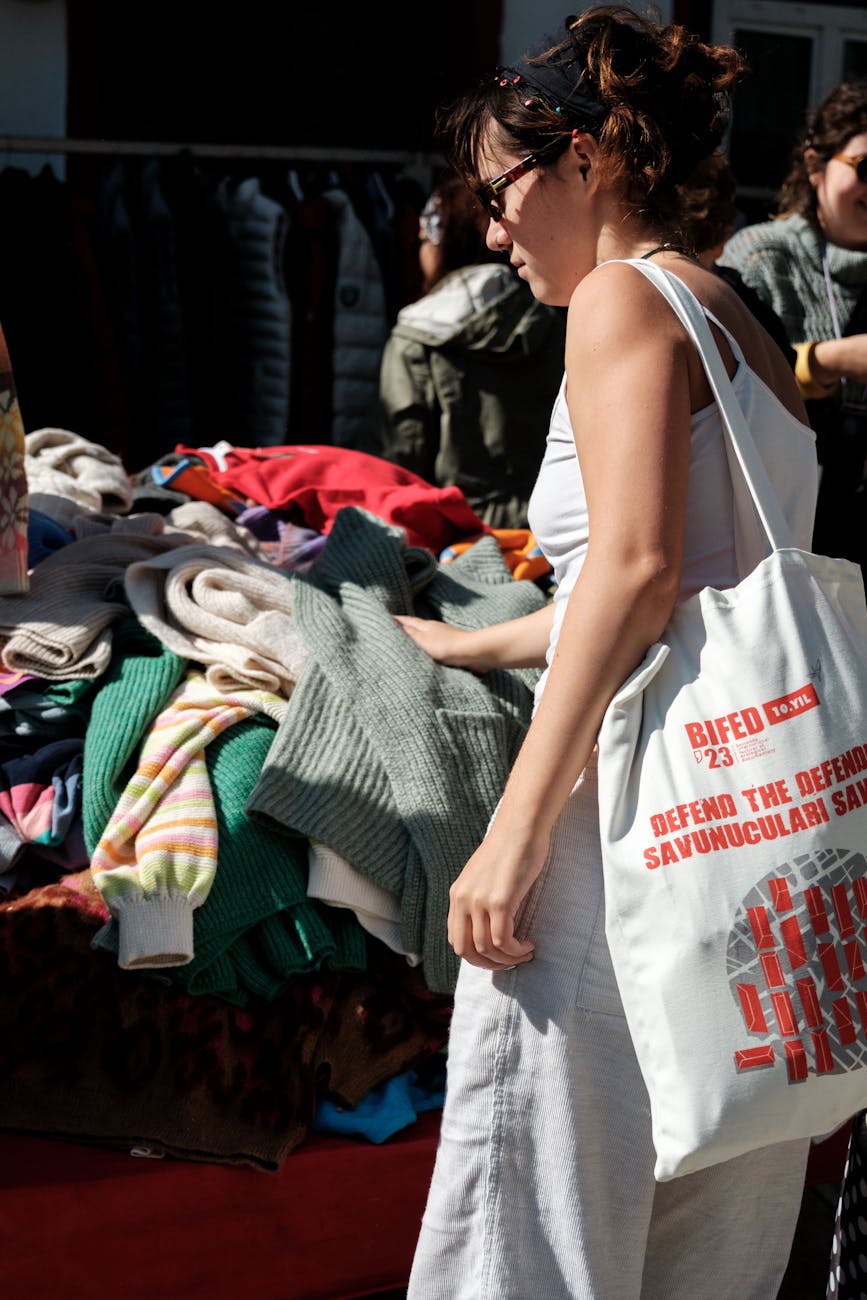
Attending events, pop-up shops, or local vintage fairs can help you expand your network. With time, these relationships can make your shopping experience more enjoyable and productive.
Shopping in the second-hand designer market can be both rewarding and financially wise when approached with care. By understanding the appeal, researching sellers, verifying authenticity, and staying mindful of your style, you can make purchases that bring long-term satisfaction.
Specialty pieces, careful budgeting, and relationships within the market further enhance the experience, turning each find into something truly special. When you shop with patience and attention to detail, the second-hand world opens the door to luxury that feels both personal and well-earned.
- Understanding Plumbing Challenges and Solutions in Rogers, Arkansas - July 24, 2026
- Dental Implants in Rapid City, SD: Restoring Smiles for the Community - July 24, 2026
- Innovative Vision Solutions for the Modern Era - July 22, 2026