The Benefits of Group Therapy for Seniors: Finding Support and Connection in Your Community
Group therapy is an effective approach to mental health treatment that involves a small group of people meeting with a therapist. This type of therapy can be beneficial for seniors who are looking to find support and connection in their community. Through group therapy, seniors can benefit from receiving guidance and feedback from peers as well as the therapist. Group members can also learn how to better manage their emotions and talk openly about difficult topics in a safe environment. Group therapy is typically focused on helping members gain insight into their thoughts and feelings, work through challenges, recognize patterns of behavior, develop interpersonal skills, and build positive relationships with others. It is also beneficial in helping them learn how to cope with stress, anxiety, depression, and other mental health issues that may arise as they age.

Benefits of Group Therapy for Seniors
As seniors age, they may experience a range of emotions and challenges that can be difficult to manage on their own. Group therapy provides an opportunity for them to connect with others in their community who are facing similar issues. Through group therapy, seniors can learn how to understand and manage their emotions, build interpersonal skills, gain insight into patterns of behavior, and develop supportive relationships with others. Additionally, the therapist provides guidance and feedback during the sessions which can help seniors gain a better understanding of themselves. Moreover, group therapy helps to create an environment where members feel safe to talk openly about difficult topics and receive support from peers. This can lead to improved mental health and well-being for seniors as they age.
In addition to understanding their emotions and building stronger coping strategies, seniors can practice different techniques that support their overall well-being. Group discussions often introduce helpful grounding practices for seniors that allow them to stay present and calm during moments of stress. These methods can become part of daily routines that strengthen both emotional resilience and social connection.
Mental Health Issues in Older People
Mental health issues in older people is a growing concern, as the aging population continues to increase. Mental health issues such as depression, anxiety and loneliness can be especially challenging for seniors due to their age-related physical and emotional changes. As a result, it is important for family and friends of seniors to be aware of mental health issues in order to provide support and access to appropriate services. Additionally, group therapy can help seniors connect with others in their community facing similar challenges. Through group therapy, seniors can gain insight into their emotions, build interpersonal skills, and develop supportive relationships with peers. Group therapy has been shown to improve mental health outcomes among seniors by providing an opportunity for open expression of feelings and concerns in a safe environment. Ultimately, these benefits can lead to improved overall wellbeing for our aging population. In addition to participating in group therapy, seniors can benefit from resources that provide practical assistance in their daily lives. Some communities offering daily living support for seniors include access to transportation, meal preparation, and social activities to reduce isolation. These services help older adults maintain independence while staying connected within their local area.
Social Anxiety and Social Isolation in Elderly Populations
Social anxiety and social isolation are common issues faced by elderly populations. Social anxiety can cause feelings of fear, worry, or discomfort when engaging in social situations and can lead to further isolation. Social isolation can occur as a result of physical limitations due to age-related disabilities or lack of mobility, cultural differences, language barriers, or loss of a spouse or family members. These factors contribute to a decrease in meaningful interactions with others which can have a negative impact on mental health and well-being. It is important for family and friends to be aware of the signs of social anxiety and isolation in seniors so they can provide support and access to appropriate services. Group therapy is an effective way to address these issues in an environment that encourages open communication while fostering supportive relationships with peers. Through group therapy, seniors gain insight into their emotions, build interpersonal skills, and gain confidence in social situations. Ultimately, this leads to improved overall wellbeing for our aging population.
Impact of Chronic Pain on Mental Health
Chronic pain is a common condition that affects millions of people worldwide. Chronic pain can have a significant impact on mental health, as it can cause feelings of depression, anxiety, and stress. In addition, chronic pain can interfere with the ability to enjoy life activities and lead to physical limitations. It is important for those suffering from chronic pain to seek assistance from a qualified mental health professional. A mental health professional can provide support and guidance in managing chronic pain. They can also help identify any underlying factors that may be contributing to the pain, and provide treatment for those issues. Mental health professionals are available to help those who suffer from chronic pain in communities across Canada.
Chronic pain is a serious condition that should not be ignored. If you are experiencing significant symptoms related to your chronic pain, please contact a mental health professional for support.
Cognitive Impairment and Mental Health Concerns
Cognitive impairment is a growing concern amongst aging adults and seniors in the United States. Cognitive impairment can manifest in a number of ways and can have a detrimental effect on mental health. Without proper diagnosis and treatment, cognitive impairment can lead to significant distress and impaired functioning.
Mental health concerns are often compounded by cognitive impairment, as individuals may have difficulty expressing their thoughts or feelings which can lead to frustration, isolation, and hopelessness. Group therapy has been found to be an effective intervention for senior populations with cognitive impairment and mental health concerns as it provides support from peers who understand the unique challenges of aging adults. Finding the right supportive environment for Alzheimer’s care can significantly enhance the effectiveness of therapeutic interventions and improve quality of life for seniors facing both cognitive and emotional challenges. Through group therapy, seniors are provided with a safe space to process their emotions while also connecting with others who share similar life experiences.
Group therapy allows members to share their stories while providing meaningful feedback that helps each individual understand their situation more holistically. The supportive environment created through group therapy encourages growth and healing while also helping older adults find connection within the community. By participating in group therapy sessions, seniors can gain insight into how they think, feel, behave, and respond to situations which can ultimately help them cope better with life’s challenges.
Advantages of Group Therapy Over Individual Counselling
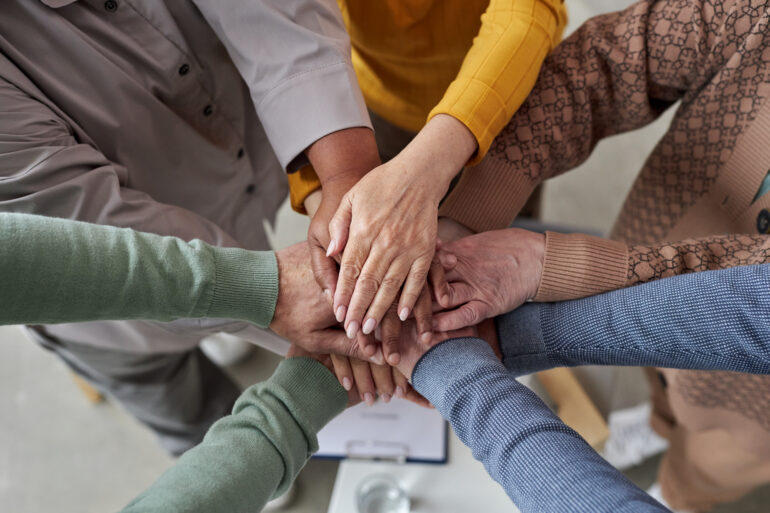
Group therapy can be an invaluable resource for seniors struggling with cognitive impairment and mental health concerns. Compared to individual counselling, group therapy has the advantage of creating a supportive environment in which individuals can share their stories, gain insight into their own experiences, and learn from others who are facing similar challenges. This is beneficial for older adults in particular, as they often feel isolated from their peers and have difficulty expressing themselves.
In addition, research has found that group therapy is more effective than individual counselling for improving mental health outcomes among seniors. Group members often become more engaged in the sessions when working with others who understand their struggles firsthand and provide meaningful feedback on how to cope with life’s challenges. Furthermore, group therapy is cost-effective compared to individual counselling and allows seniors to develop strong social connections that can last beyond the session.
Overall, group therapy offers many advantages over individual counselling for seniors struggling with cognitive impairment and mental health concerns. By providing a safe space where members can share their stories and find comfort in knowing they are not alone, group therapy can help older adults heal while also providing connection within the community.
Creating a Safe Space to Express Feelings and Thoughts
Many seniors struggle with feelings of isolation, loneliness, and depression. Group therapy can be a valuable resource for addressing these issues. Compared to individual counselling, group therapy has the advantage of creating a supportive environment in which individuals can share their stories, gain insight into their own experiences, and learn from others who are facing similar challenges. This is beneficial for older adults in particular, as they often feel isolated from their peers and have difficulty expressing themselves.
This isolation can be particularly severe for LGBTQ adults. Whether they have lived their live out and proud for many years, or if they have recently come out late in life, finding community as an LGBTQ senior can be a challenging and complex experience. For many seniors, they may have lived most of their lives keeping their sexuality or gender identity a secret due to social stigma or fear of rejection from their community or loved ones. However, as they age, they may feel a growing need to live authentically and embrace their true selves.
Seeking support from LGBTQ communities, allies, or professional therapists can help seniors navigate the coming out process and find acceptance and understanding. For those without access to group therapy settings locally, counseling can still be an essential resource. There are also online therapy providers who specialize in LBGTQ issues that can help provide support and guidance through a potentially isolating experience.
Mental Health Outcomes
In addition, research has found that group therapy is often more effective than individual counselling for improving mental health outcomes among seniors. Group members often become more engaged in the sessions when working with others who understand their struggles firsthand and provide meaningful feedback on how to cope with life’s challenges. Furthermore, group therapy is cost-effective compared to individual counselling and allows seniors to develop strong social connections that can last beyond the session.
Overall, group therapy offers many advantages over individual counselling for seniors struggling with cognitive impairment and mental health concerns. By providing a safe space where members can share their stories and find comfort in knowing they are not alone, group therapy can help older adults heal while also providing connection within the community.
Connecting with Peers Who Understand Your Experience
Group therapy can be especially beneficial for seniors struggling with mental health issues, as it creates a space to connect with peers who understand their struggles. Group members often share similar experiences and can provide meaningful insight into how they have coped with similar situations. This type of support is invaluable for those who feel isolated or misunderstood by their peers, as it allows them to express themselves without judgment and find comfort in knowing that others understand what they are going through.
Group therapy also provides an opportunity for seniors to build meaningful connections and form lasting friendships. Through the shared experience of facing life’s challenges together, group members develop strong bonds that extend beyond the session. This can be especially important for seniors who may lack social connections in other areas of their lives, as these relationships can help provide a sense of belonging and purpose. Additionally, group sessions often include discussions on maintaining a healthy lifestyle, which can offer insights into how to keep energy high after 60 through various physical and mental health strategies.
By offering a safe space to share stories and form supportive relationships, group therapy can be an effective resource for seniors seeking connection and understanding within their community.
Developing Coping Strategies as a Group
Group therapy is also an effective way for seniors to collaborate on developing coping strategies and improving their mental health. Group members can provide helpful feedback, such as identifying what works best for them and what has been successful in the past. Members can also offer valuable insight into how they have adapted to difficult life transitions, enabling each individual to benefit from the wisdom of the group.
This type of discussion can empower seniors by giving them a sense of control over their mental health and providing them with tangible ways to manage their emotions. Furthermore, with the support of the group, seniors may feel more comfortable trying out new strategies or approaches that could potentially be beneficial for them. Ultimately, this type of dialogue serves as a reminder that no one needs to suffer alone and that there is strength in numbers.
Learning From Each Other’s Experiences & Sharing Ideas
The beauty of group therapy is that members can learn from each other's experiences and share ideas. In a safe, supportive environment, seniors are able to discuss their individual challenges while also gaining insight into how others have adapted to similar situations. By listening to their peers’ stories, seniors may discover new coping tools and strategies they wouldn’t have otherwise known about.
Group therapy also provides a platform for members to express their opinions without judgement or criticism. This encourages seniors to take risks and ask questions openly, which in turn helps foster positive relationships with the other members. Through this collaboration and mutual understanding, seniors can gain strength from one another and make meaningful connections with those around them.
Overall, group therapy is an invaluable resource for seniors looking for support and connection within their community. By learning from one another’s experiences and sharing ideas in a safe space, seniors can gain the comfort of knowing that they are not alone on their journey towards better mental health.
Choosing a Mental Health Professional for Group Therapy Sessions
When looking for a mental health professional to lead group therapy sessions, it is important to consider a number of factors. First, look for someone with experience in leading group therapy sessions with seniors. This will ensure that the therapist has the knowledge and skills needed to facilitate meaningful conversations and create a safe space for members to share their stories.
It is also important to select a mental health professional who has expertise in the specific type of therapy you are seeking. For example, if seniors are looking for support with LGBTQ+ issues, they should look for a therapist who specializes in this area. Additionally, make sure that the therapist’s values align with your own, as this will help foster an atmosphere of trust and understanding during group sessions.
Finally, check references from previous clients to get an idea of their experience working with the therapist. This can provide invaluable insight into what it would be like to participate in group therapy sessions led by them.
By taking these steps when selecting a mental health professional, seniors can have confidence that they have chosen someone who will provide them with the support they need on their journey towards better mental health.
Qualifications and Experience Required of the Therapist/Counsellor
When selecting a mental health professional to lead group therapy sessions for seniors, it is important to consider the qualifications and experience of the therapist. A qualified therapist should have specialized training in working with seniors and should be knowledgeable about the unique issues that aging adults typically face. They should also have a minimum of three years of experience in conducting group therapy sessions.
In addition, it is important that the therapist is familiar with different types of therapy and can tailor their approach to accommodate individual needs. For example, if LGBTQ+ issues are present in the group, it is important that the therapist has experience in this area.
Finally, it would be beneficial if the therapist had some form of certification or accreditation from an accredited organization such as The American Association for Marriage and Family Therapy (AAMFT). This will provide assurance that they have met specific requirements and standards set by a respected organization and are dedicated to providing quality care.
Setting Up a Group Therapy Session for Seniors
Organizing a group therapy session for seniors is an important step in providing them with the necessary support and connection they need in their community. The first step is to decide on a specific focus for the group and find a qualified therapist who is experienced in working with older adults. It is also important to establish clear guidelines about confidentiality, attendance, participation, and topics of discussion.
Additionally, it is important to determine the size of the group, as this will have an impact on how successful the group therapy session will be. A small-sized group of five to eight members can foster more intimate conversations between participants, while a larger group may create more opportunities for bonding and sharing experiences.
Finally, it’s beneficial to provide incentives for attending such as weekly activities or refreshments; this helps create a sense of community among members and encourages participation. With these steps in place, seniors can look forward to finding comfort and companionship through engaging in meaningful conversations with others who understand their struggles.
- Emergency Readiness for Older Adults: A Practical Plan for Living Independently - August 11, 2026
- RV Park for Contractors in Upstate South Carolina: A Practical Guide to Shibby RV Living - August 11, 2026
- When to Call for Emergency Plumbing Services - August 11, 2026