Signs That Indicate the Need for Skin Rejuvenation
Your skin can signal when it needs more attention than a basic routine provides. These signals might not be dramatic at first, but they gradually become more noticeable. As aging, environmental exposure, and daily stress take their toll, subtle shifts in texture, tone, and resilience can begin to affect your skin’s overall appearance. Recognizing those signs early helps guide your decision-making before more intensive treatments become necessary.
Fine Lines That Linger After Movement
Facial expressions naturally create lines that disappear when the face is at rest. When those lines start remaining even when you're not smiling, frowning, or raising your eyebrows, it's an early signal that your skin is losing elasticity. These static lines often begin around the eyes, mouth, and forehead, revealing the skin’s reduced ability to bounce back.
The appearance of persistent lines makes the face look tired or stressed. This can lead people to seek non-invasive treatments. One popular approach is laser rejuvenation that stimulates collagen production beneath the skin’s surface, improving texture and firmness. As a result, fine lines become less visible, and skin tone appears more even and refreshed.
Addressing these changes early helps maintain a youthful appearance. It also reduces the need for more aggressive treatments later on. Routine assessment by a skincare professional can help track changes in skin elasticity and inform timely intervention.
Uneven Skin Tone or Texture
Shifts in skin tone or texture can result from prolonged sun exposure, hormonal changes, or lifestyle habits. When makeup no longer sits smoothly on the skin, or certain areas appear duller or rougher, these are signs of underlying damage.
Hyperpigmentation, blotchiness, or rough patches break up the uniform look of healthy skin. These symptoms can make the skin appear older than it is. Addressing them requires a combination of exfoliation, hydration, and targeted skincare. In-office treatments often yield faster and longer-lasting results than at-home methods.
Improving skin tone enhances confidence. It also restores a smoother canvas for skincare and cosmetic application. Consulting a skincare provider can help identify specific triggers and recommend personalized solutions that deliver consistent improvement.
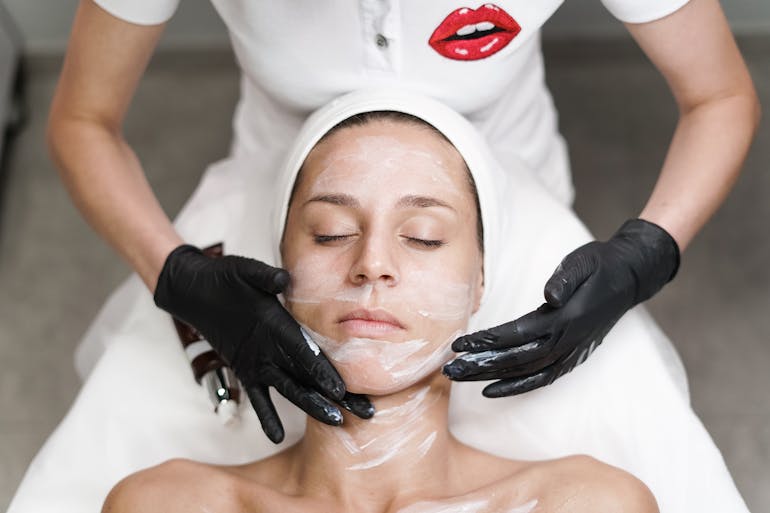
Skin That Appears Dull and Lacks Radiance
Healthy skin reflects light and has a natural glow. If your skin consistently appears flat, grayish, or lacks that vibrant quality, it’s a common indicator of fatigue at the cellular level. This lack of radiance results from slow cell turnover, buildup of dead skin, and environmental damage.
A tired complexion can make you look older than your actual age. Regular skincare helps, but professional treatments can significantly boost cell renewal and brightness. Lifestyle changes such as better hydration, improved sleep, and cleaner diets complement external care efforts.
Restoring vibrancy often motivates people to take better care of their skin in the long term. Scheduling periodic treatments ensures that the skin’s renewal cycle remains active, keeping dullness at bay and promoting a healthier glow.
Noticeable Loss of Firmness
Skin that once felt taut and lifted may start to sag subtly, especially around the jawline, cheeks, or neck. This is due to declining collagen and elastin, two proteins responsible for skin strength and elasticity.
Changes in firmness don't happen overnight. Gradual softening of facial contours becomes noticeable in photos or mirrors. This structural change can affect self-image, even when other skin qualities like tone or clarity remain intact.
Targeted treatments focusing on tightening and toning can help restore some of the skin’s original support. Choosing options based on skin type and severity leads to more effective outcomes. Establishing a consistent skincare routine that supports collagen production can extend the results of professional treatments.
Dryness That Doesn’t Improve With Moisturizer
Everyone experiences dry skin occasionally, but persistent dryness that resists moisturizers often signals a deeper issue. When hydration doesn’t improve with quality products, it’s often because the skin barrier is compromised.
A damaged barrier allows moisture to escape and irritants to penetrate. This can result in redness, itching, or flakiness that standard creams can't fix. Rejuvenation methods aim to rebuild and support the barrier so it can hold hydration more effectively.
Once the skin retains moisture properly, the overall texture becomes smoother and more supple. Identifying and eliminating factors that damage the skin barrier, such as harsh cleansers or environmental stressors, helps prevent recurring dryness.
Increased Sensitivity and Slower Healing
If your skin suddenly reacts to products it previously tolerated well, or takes longer to recover from breakouts or minor injuries, it may be losing resilience. Thinning skin and reduced cell repair are common with age and environmental exposure.
Frequent irritation or prolonged redness are signs of skin stress. These symptoms often accompany other signs of aging, forming a cycle of sensitivity and slow regeneration.
Improving skin function through advanced skincare or treatments helps break this cycle. Stronger skin heals faster and tolerates daily products more effectively. Monitoring your skin’s response to new products helps avoid setbacks and supports lasting skin health.
Changes in skin quality do not need to be dramatic to warrant professional attention. When fine lines become more noticeable, tone shifts, or healing slows down, these are signs that rejuvenation could make a difference. Identifying what your skin needs allows for timely, effective treatment that keeps it healthier longer. With the right approach, you can maintain a smooth, radiant, and resilient complexion as your skin evolves.
- Residential Driveway Planning Guide: Materials, Drainage, Installation, and Maintenance - August 20, 2026
- A Flexible Zion National Park Itinerary for Hikers, Families, and Scenic Road Trippers - August 20, 2026
- Persistent Odors Need Source-Level Treatment: FIRESTONE Restoration Provides Professional Ottawa Sanitizing Services - August 20, 2026