
The Art of Crafting Quality Handbags: A Guide for Fashion Enthusiasts
Key Takeaways
- Understand the essential materials used in quality handbag production.
- Learn about the craftsmanship techniques that enhance handbag durability.
- Discover tips for selecting the perfect handbag that matches your style.
- Explore the environmental impacts of handbag production and how to choose eco-friendly options.
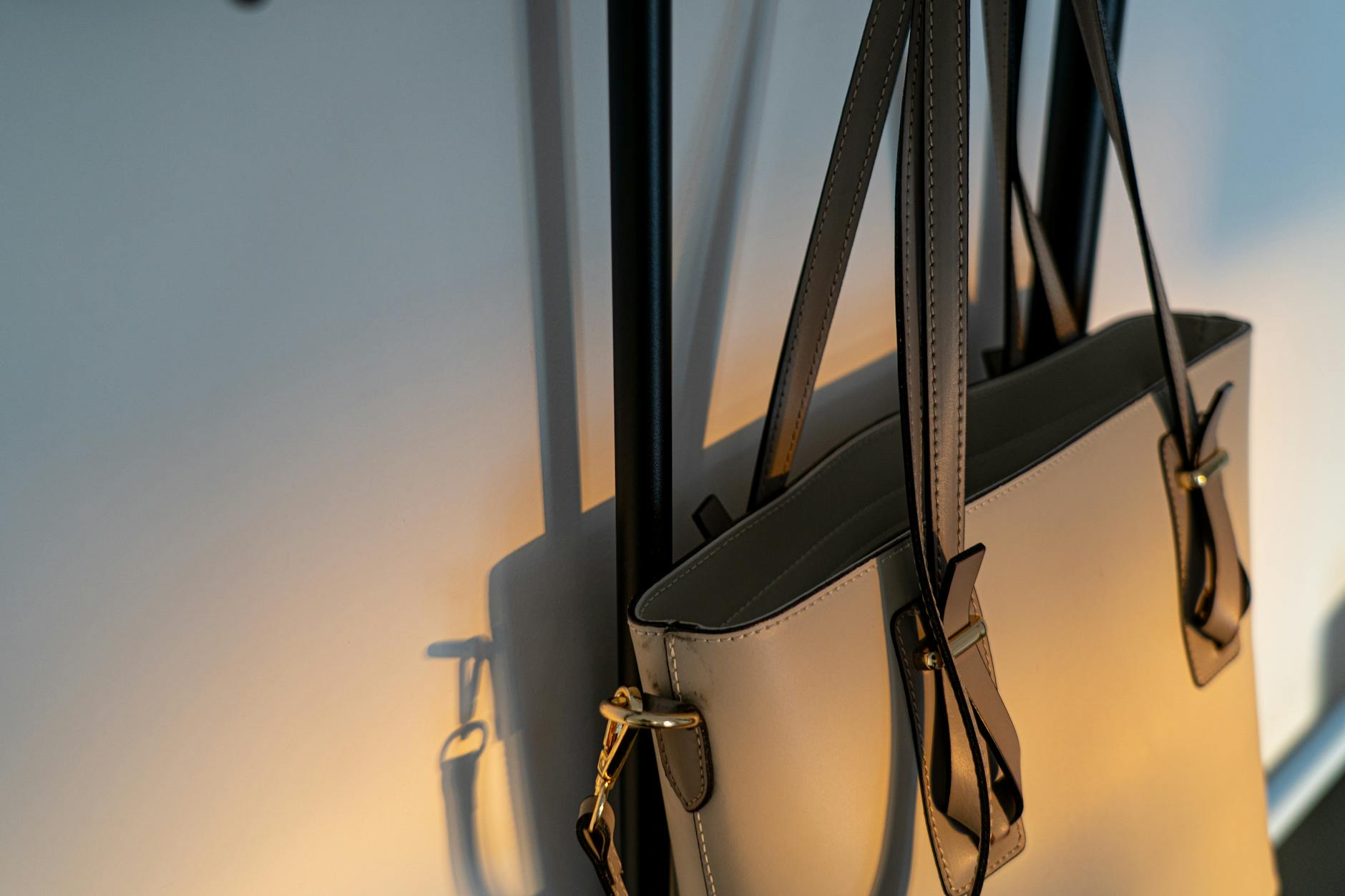
Introduction to Handbag Craftsmanship
Handbags are more than just accessories; they are expressions of one's personality and style. The craftsmanship involved in creating a high-quality handbag is an art form that few fully appreciate. Understanding the process and expertise of making these handbags can give you a deeper appreciation for the pieces you carry. This guide will delve into the materials, techniques, and tips that all handbag enthusiasts should know to choose the best handbags and care for them effectively.
Essential Materials for Quality Handbags
The foundation of any great handbag is the material from which it is made. Authentic leather is commonly selected for its long-lasting quality and classic attractiveness. Leather handbags often develop a rich patina, adding to their character and longevity. For example, the American Leather Co. is renowned for its unique approach to leather goods, blending traditional techniques with contemporary designs. On the other hand, Canvas is a lightweight yet sturdy option that is perfect for casual and travel bags. It is durable and easily cleaned, making it a practical choice for everyday use. Synthetic materials like vegan leather have also gained popularity as cost-effective and animal-friendly alternatives. However, the quality can vary significantly, so it's essential to choose synthetic bags from reputable brands known for their high standards.
Techniques in Handbag Craftsmanship
Creating a quality handbag involves various techniques, from cutting and stitching to finishing. Hand-stitching, for example, can enhance the durability of a bag compared to machine sewing because it uses thicker threads and more muscular knots. This method is often reserved for high-end designer bags due to the time and skill required. Additionally, edge painting and leather braiding add strength and aesthetic value to the handbag. Edge painting helps to seal the raw edges of leather, preventing fraying and giving a polished look. Leather braiding, seen in decorative trims or handles, showcases intricate craftsmanship and adds a unique touch to each piece. Each technique requires specialized skills and an eye for detail, underscoring the artistry involved in handbag production.
Choosing the Perfect Handbag for You
Selecting the right handbag involves more than just picking a design that catches your eye. Consider factors such as utility, size, and occasion. Do you need a large tote for work or a small clutch for evening events? A well-chosen handbag should complement your wardrobe while meeting your practical needs. It's essential to consider how much you need to carry daily and choose a bag that can comfortably accommodate those items. The strap length, number of compartments, and closure type are also important factors to consider. For more insights, you can explore current fashion trends to view the latest trends and discover a handbag that fits your style choices. Additionally, consider the color and material of the bag to ensure it matches most of your outfits, providing both versatility and style.
Eco-Friendly Handbag Options
Many fashion brands offer eco-friendly handbag options as environmental concerns become increasingly prominent. These include bags made from recycled materials, organic cotton, and vegetable-tanned leather, which uses natural tannins from plants instead of harmful chemicals. Opting for eco-friendly bags supports environmental efforts and promotes ethical fashion. Making eco-conscious choices demonstrates a commitment to sustainability and can influence the market, encouraging more brands to adopt responsible practices. For an in-depth read on this, check out sustainable fashion resources. These resources provide valuable information on how to make informed decisions when purchasing eco-friendly handbags and other fashion items.
Caring for Your Handbags
Maintaining a quality handbag is critical to ensuring its longevity. Storing your bags in an excellent, dry spot from direct sunlight is crucial. Utilize dust bags to prevent dust and scratches. Regular cleaning, using products specifically designed for the material of your handbag, can help maintain its appearance and prevent damage. Leather conditioners can keep leather bags supple and avoid cracking, while canvas bags can often be spot-cleaned with mild soap and water. To avoid any damage, it is important to always adhere to the care instructions tailored to your bag's material. Following these measures will maintain the attractiveness and usability of your handbags, ensuring you can appreciate them for many years.
The Future of Handbag Craftsmanship
The future of handbag craftsmanship is poised to blend traditional techniques with innovative technology. From 3D printing to sustainable material sourcing, the industry is continuously evolving. 3D printing allows for intricate designs that were previously impossible to achieve, while advancements in sustainable materials offer environmentally friendly alternatives without compromising quality. Innovations in intelligent textiles also provide functionalities such as built-in chargers or anti-theft features, blending fashion with technology. Keeping up-to-date on these trends can assist you in making more informed buying choices and gaining a greater understanding of the craftsmanship involved in each handbag. Keeping up with industry developments ensures that you are stylish and knowledgeable about the origins and future direction of the handbags you invest in.
- Understanding Plumbing Challenges and Solutions in Rogers, Arkansas - July 24, 2026
- Dental Implants in Rapid City, SD: Restoring Smiles for the Community - July 24, 2026
- Innovative Vision Solutions for the Modern Era - July 22, 2026


