Navigating the Real Estate Market and Ensuring Home Comfort
The Fundamentals of Real Estate and Home Comfort
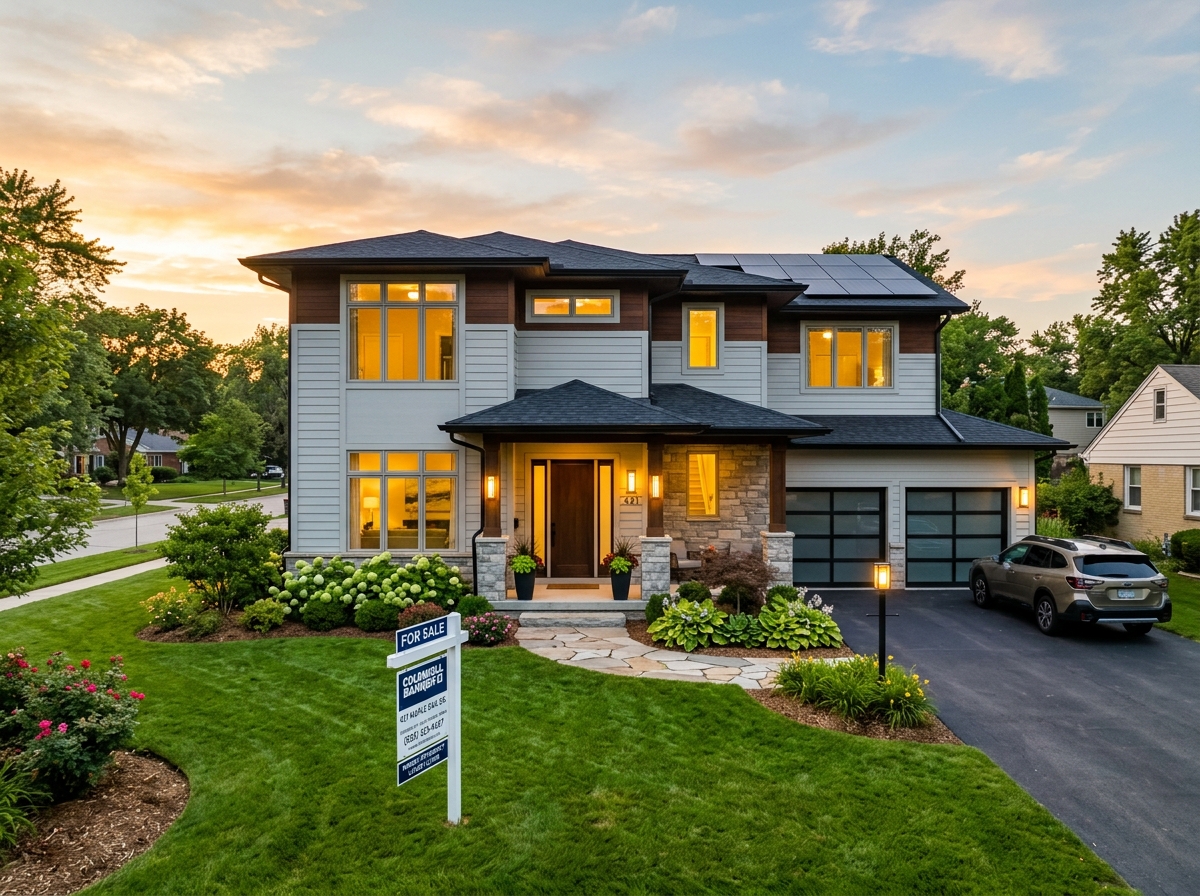
We all dream of a home that feels like a true sanctuary. It's a place where we find comfort, safety, and peace. But true home comfort goes beyond cozy decor; it's deeply tied to how well a house performs. From consistent temperatures to healthy indoor air, these elements directly impact our daily well-being and long-term satisfaction.
In today's real estate market, the importance of home comfort is growing. Buyers are increasingly seeking properties that offer not just aesthetic appeal but also energy efficiency and superior living conditions. This focus can significantly influence a home's value and how quickly it sells. For those looking to make informed decisions, we invite you to discover real estate insights that factor in these crucial comfort aspects.
This extensive guide will help you navigate the intersection of real estate and home comfort. We'll explore the key features of an energy-efficient, comfortable home and the steps you can take to evaluate a property's performance before buying. We'll also dive into smart technologies, essential upgrades like insulation and HVAC, and how these improvements can boost your home's market value.
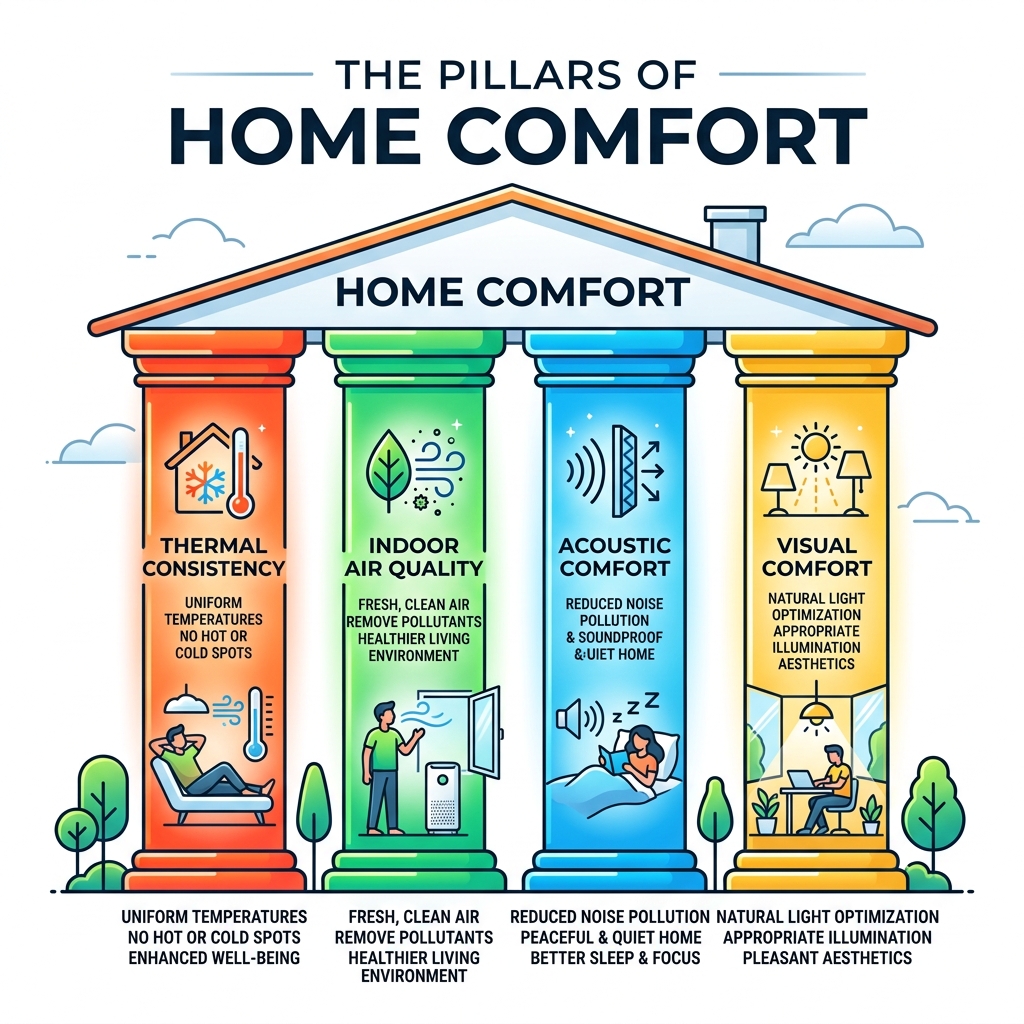
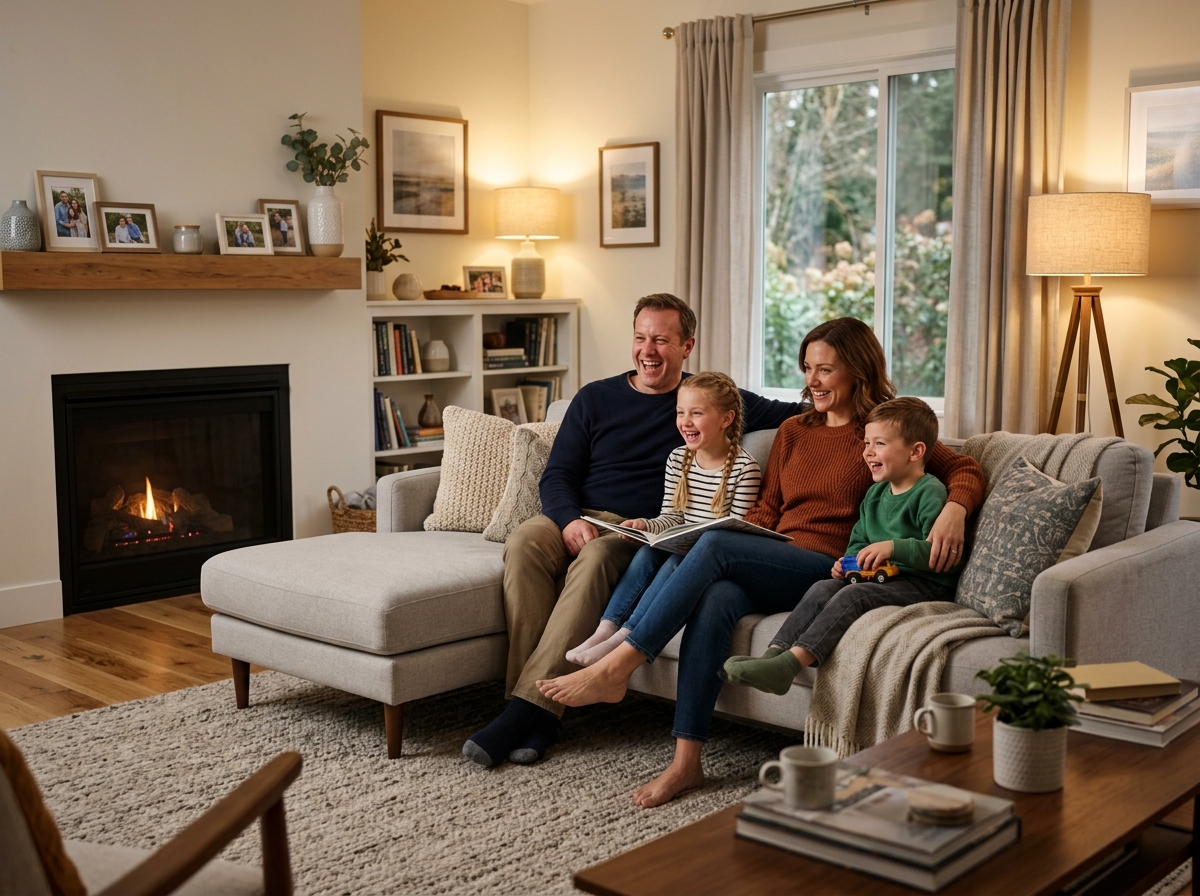
Home comfort is a multi-faceted concept, encompassing more than just a pleasant temperature. It's about creating an environment where occupants feel consistently at ease, regardless of the season or external conditions. This holistic approach to comfort is built upon several foundational pillars: thermal consistency, indoor air quality, acoustic comfort, and visual comfort. When these elements are harmoniously integrated, a home truly becomes an oasis.
Thermal consistency refers to the absence of hot or cold spots within a living space. Many homeowners struggle with rooms that are “never right”—a second-floor bedroom that's stifling in summer and freezing in winter, or a living room that feels drafty even when the furnace is running. These inconsistencies often signal underlying issues with insulation, air sealing, or an improperly sized or maintained HVAC system. Achieving thermal consistency means maintaining a uniform, comfortable temperature throughout the home, enhancing well-being, and reducing energy waste.
Indoor air quality (IAQ) is crucial for health and comfort. Poor IAQ can manifest as stuffiness, persistent odors, excessive dust, or even frequent respiratory problems. Effective ventilation, proper humidity control, and minimized indoor pollutants are key to a healthy indoor environment. Acoustic comfort involves controlling noise levels from external sources and within the home. Well-insulated walls and windows can significantly reduce outside noise, while thoughtful design can minimize sound transfer between rooms. Finally, visual comfort involves optimizing natural light, reducing glare, and providing a pleasing aesthetic that contributes to a sense of calm and spaciousness.
Understanding these fundamentals allows both buyers and sellers to appreciate the true value of a home's performance. Properties that excel in these areas offer a superior living experience, a factor increasingly prioritized in today's market. Whether you're exploring unique properties like the Lexis Condominiums in Portland or considering a mobile estate such as those in Rodeo Mobile Estates in Soquel, assessing these comfort fundamentals is paramount.
Identifying Superior Real Estate and Home Comfort Features
When evaluating a property, certain features stand out as indicators of superior comfort and energy efficiency. These are the elements that contribute significantly to a home's overall performance and long-term value.
One of the most impactful features is the quality of windows and doors. Energy-efficient windows, particularly triple-pane options, dramatically reduce heat transfer, minimize drafts, and improve acoustic comfort by blocking outside noise. In fact, windows, doors, and siding are rated as very important by 37% of buyers and somewhat important by 49%, highlighting their significance in purchase decisions. Beyond the materials, a home's solar orientation is crucial. Homes designed with an east-west solar axis can maximize energy efficiency, while north-facing windows provide consistent, soft daylight that enhances comfort and reduces the need for artificial lighting. This strategic placement of windows can help keep interiors cooler in summer and warmer in winter, leveraging natural resources to maintain comfort.
High-efficiency appliances, especially those with ENERGY STAR certification, are another hallmark of a comfortable, cost-effective home. These appliances consume less energy, reducing utility bills and their environmental footprint. For instance, top-freezer or bottom-freezer refrigerators are often more efficient than side-by-side models. Beyond individual appliances, the overall building envelope, including robust insulation and meticulous air sealing, forms the core of an energy-efficient design.
Real estate professionals often highlight these features when showcasing properties that prioritize comfort and sustainability. For example, a resort property like the Carolinian Beach Resort in Myrtle Beach might emphasize its modern construction and energy-saving features to attract discerning buyers seeking a comfortable retreat. These elements not only contribute to a comfortable living environment but also enhance a property's market appeal and resale value.
Evaluating Energy Performance and Professional Guidance
For any homebuyer, understanding a property's energy performance is as critical as evaluating its aesthetic appeal. The energy efficiency of a home directly impacts long-term utility costs and overall comfort. The average monthly home energy bill in the U.S. was $136.84 in 2023, a figure that can fluctuate significantly depending on a home's energy performance. Therefore, taking proactive steps to evaluate this aspect before purchase can prevent unexpected expenses and ensure a comfortable living experience.
A crucial first step is to request a year's worth of energy bills from the seller. This provides a realistic snapshot of the home's energy consumption, allowing you to compare monthly and annual costs. However, household behavior can impact these figures, so consider the previous occupants' lifestyle.
During a home inspection, pay close attention to the age and efficiency ratings of major systems. For heating and cooling, look for the Annual Fuel Utilization Efficiency (AFUE) rating for furnaces and boilers; high-efficiency models typically range from 90-98.5%. For central air conditioning, the Seasonal Energy Efficiency Ratio (SEER) is key; 15 or more indicates high efficiency. Systems that are 15-20 years old are likely nearing the end of their lifespan and may require replacement, which should be factored into your budget.
Insulation is another critical component. Ask your inspector about the R-value of the insulation in the attic, walls, and crawl spaces. A higher R-value indicates better insulating power, and ENERGY STAR provides climate-specific recommendations. Boosting insulation in attics, crawl spaces, and basements can save an average of 10% on heating and cooling costs. For those seeking properties and wanting to understand their potential energy performance, a comprehensive property search can help identify homes with green certifications or energy-efficient features. Even in prominent urban structures like Park Tower in Chicago, energy performance details are increasingly relevant.
We also recommend scheduling a no-cost home energy assessment before or after closing. These assessments can identify specific areas for improvement, such as air leaks or inefficient appliances, and provide a roadmap for upgrades.
System Type Efficiency Rating Description Furnace/Boiler AFUE 90-98.5% High-efficiency, minimal heat loss AFUE 80-83% Standard efficiency, some heat loss Central AC SEER 15+ High-efficiency, lower operating costs SEER 13-14 Standard efficiency, adequate performance Heat Pump HSPF 8.5+ High-efficiency for heating SEER 15+ High-efficiency for cooling Red Flags in Real Estate and Home Comfort
During property tours and inspections, certain indicators can signal underlying issues with a home's comfort and energy performance. Being aware of these “red flags” can help buyers make more informed decisions and potentially negotiate for necessary repairs or upgrades.
One of the most commonly overlooked red flags during home tours is cracked walls or floors, which 45% of professionals say buyers miss. These cracks can be more than cosmetic; they may indicate structural movement or foundation issues, leading to significant air leaks and compromising the home's thermal envelope. Similarly, strong odors, overlooked by 43% of buyers, could indicate mold, mildew, pest infestations, or ventilation problems, all of which directly affect indoor air quality and comfort.
Visual cues like window condensation, especially persistent moisture on the inside of windows, can signal high indoor humidity levels or poor window performance. While some condensation is normal in very cold weather, excessive or year-round condensation can lead to mold growth and wood rot. Another tell-tale sign of poor insulation and air sealing, particularly in colder climates, is the presence of ice dams on the roof. These occur when heat escapes through the attic, melting snow which then refreezes at the colder eaves, potentially causing water damage.
Temperature inconsistencies are also critical indicators. If you notice hot spots or cold spots in different rooms or even within the same room, it suggests uneven heating/cooling distribution, insufficient insulation, or air leaks. This is the “room that's never right” scenario, where occupants constantly battle the thermostat. For example, an upstairs hallway that's 10 degrees warmer than the living room indicates significant thermal bridging or insulation gaps. Even in a modern development like Castleview Condos in Castle Rock, these issues can arise if construction standards are not rigorously maintained.
Other red flags include signs of pests, excessive dust (which can indicate leaky ductwork or poor filtration), and unusually high utility bills (if available). Leaky ductwork alone wastes 20-30% of conditioned air before it even reaches living spaces. By training your eye to spot these subtle but significant issues, you can better assess a home's true comfort potential and avoid costly surprises down the line.
Advanced Climate Control and Humidity Management
In the quest for ultimate home comfort and energy efficiency, advanced climate control systems, particularly smart thermostats, have emerged as game-changers. These intelligent devices go far beyond simple temperature adjustment, offering sophisticated features that optimize comfort and deliver significant energy savings.
Smart thermostats use artificial intelligence (AI) to learn household habits and preferences, automatically adjusting temperatures to match your routine. They can sense when you're home or away, ensuring comfort when needed and saving energy when the house is empty. Features like occupancy sensors further enhance this by detecting if rooms are in use, preventing energy waste in unoccupied areas. Many also incorporate geofencing technology, which uses your smartphone's location to prepare your home for your arrival or switch to an eco-mode when you leave. Homeowners save an average of 8% on utility bills using smart thermostats, and some models can save 8-15% compared to manual adjustments, translating to $120-180 in annual savings. This intelligent automation not only provides unparalleled comfort but also empowers homeowners with detailed energy reports that reveal usage patterns and offer recommendations for further savings. For those interested in optimizing their home's heating and cooling performance, understanding the latest in HVAC real estate comfort is essential.
Beyond temperature, managing indoor humidity is vital for overall home comfort and health. The ideal indoor relative humidity (RH) typically falls between 50-% and 5% during cooling seasons. Maintaining this balance prevents the air from feeling too dry or too damp, which can impact respiratory health, skin comfort, and even the structural integrity of your home. Too much humidity can lead to mold growth, dust mites, and a sticky, uncomfortable feeling, while too little can cause dry skin, static electricity, and damage to wood furnishings.
Hygrometers are simple, affordable devices that allow you to monitor indoor humidity levels. If humidity is consistently too high, a dehumidifier can help bring it into the optimal range. Conversely, humidifiers can add moisture during dry winter months. Proper humidity control not only enhances physical comfort but also contributes to better sleep and a healthier living environment. For residents in diverse housing types, from single-family homes to apartments like those in Waterman Place in St. Louis, managing humidity is a key aspect of maintaining a comfortable indoor climate.
Maintaining Systems for Long-Term Comfort
The installation of advanced climate control systems is just the first step; their long-term effectiveness hinges on consistent and proper maintenance. Regular upkeep of your HVAC system is paramount to ensuring consistent indoor comfort and maximizing energy efficiency.
We recommend annual professional tune-ups for your heating and cooling systems, ideally before each season begins. These preventative checks can identify minor issues before they escalate into costly breakdowns, ensuring your system operates at peak performance. For example, a professional can check refrigerant levels, clean coils, inspect electrical connections, and calibrate thermostats. Beyond professional service, homeowners should diligently change HVAC filters every 1-3 months, or more frequently if they have pets or allergies. Clogged filters restrict airflow, forcing your system to work harder and wasting energy, reducing comfort.
Another critical aspect of HVAC maintenance often overlooked is duct sealing. Leaky ductwork can waste 20-30% of conditioned air, meaning a significant portion of your heated or cooled air never reaches its intended living spaces. Sealing these leaks ensures that conditioned air is delivered efficiently, improving comfort and reducing energy bills. For expert advice and services on maintaining optimal indoor climate, consulting with professionals specializing in climate maintenance can make a substantial difference.
Upgrading older systems to more energy-efficient options, such as high-efficiency heat pumps, can also dramatically improve comfort and savings. Modern heat pumps can operate effectively in a wide range of temperatures, from -22°F to 122°F, providing both heating and cooling efficiently. These upgrades not only enhance daily living but also increase a home's appeal to future buyers, particularly in regions with varying climates like Birmingham, AL, or Huntsville, AL, where efficient heating and cooling are crucial year-round. Consistent maintenance and timely upgrades are investments that pay dividends in comfort, energy savings, and property value.
Structural Efficiency: Air Sealing and Insulation
The foundation of a truly comfortable and energy-efficient home lies in its structural integrity, specifically through meticulous air sealing and robust insulation. These two elements work hand in hand to create a tight thermal envelope, preventing conditioned air from escaping and unconditioned air from infiltrating.
Air sealing is the process of sealing cracks and gaps in the building envelope, such as around windows, doors, electrical outlets, plumbing penetrations, and especially in attics, crawl spaces, and basements. These seemingly small openings can account for a significant portion of a home's energy loss. We know that air sealing before insulation can reduce energy waste by 25-40%, with a payback period of just 1-3 years. Common materials used for air sealing include caulk for smaller cracks, weatherstripping for moving components like doors and windows, and spray foam for larger gaps and irregular surfaces. Focusing on sealing major leaks first, such as those in the attic floor and rim joists, delivers the most effective results.
Once air sealing is complete, proper insulation becomes highly effective. Insulation acts as a barrier to heat flow, keeping your home warmer in winter and cooler in summer. Boosting insulation in key areas like attics, crawl spaces, and basements can save an average of 10% on heating and cooling costs. The type and amount of insulation needed (measured by R-value) vary by climate zone, but the general principle is to achieve consistent coverage without gaps. For example, after air sealing, proper insulation can reduce heat loss by 25-35%.
To accurately identify hidden air leaks and assess insulation levels, professionals often use advanced techniques like blower door tests and thermal imaging. Blower door tests depressurize a home to reveal air leakage points, while thermal cameras visualize temperature differences, pinpointing areas of heat loss or gain. These diagnostic tools are invaluable for creating a targeted, effective energy-efficiency plan. Whether you're in a mobile home in Aurora, CO, or a traditional property in Montgomery, PA, investing in air sealing and insulation provides a noticeable improvement in comfort, reduces utility bills, and contributes to a healthier indoor environment by preventing moisture intrusion and improving indoor air quality.
Financial Incentives and Market Value Appreciation
Investing in home comfort and energy efficiency upgrades isn't just about personal well-being; it's also a smart financial decision that can significantly increase a property's market value and appeal to buyers. In a competitive real estate market, homes with superior energy performance often stand out and command higher prices.
One of the most direct financial benefits comes from reduced utility bills. As we've noted, homeowners are increasingly concerned about rising energy costs. A home with documented energy savings, perhaps through smart thermostats that save 8-15% on energy bills or insulation upgrades that save 10% on heating and cooling, offers immediate value to a prospective buyer. This can be a powerful selling point, as it represents tangible, ongoing savings.
Beyond direct savings, homeowners can use various financing options to fund energy-efficient upgrades. Energy Efficient Mortgages (EEMs) allow borrowers to finance energy-saving improvements as part of their mortgage, often with more favorable terms due to anticipated lower operating costs. Government programs and local utility rebates also often offer incentives for specific upgrades, such as new HVAC systems, insulation, or ENERGY STAR appliances.
From a market value perspective, certain comfort-enhancing features have a proven track record of increasing a property's appeal and even its sale-to-list ratio. Data analysis reveals that features such as stainless steel appliances, central air conditioning, and granite countertops consistently correlate with higher sale prices relative to list price. For instance, central air conditioning, a key comfort feature, appears in 4.2% of listings and boasts a 97.7% sale-to-list ratio. While these are often seen as aesthetic or convenience upgrades, they directly contribute to the modern comfort expectations of today's buyers.
Home comfort upgrades are investments that pay dividends. They improve daily living, reduce long-term operating costs, and enhance the property's marketability. When it comes time to sell, a home that offers superior comfort and energy efficiency is likely to attract more buyers, sell faster, and potentially for a higher price, reflecting its true value as a comfortable and sustainable living space.
Frequently Asked Questions about Home Comfort
How do smart thermostats improve home comfort and save energy?
Smart thermostats significantly enhance home comfort by learning your daily routines and preferences, then automatically adjusting the temperature to maintain ideal conditions. They eliminate the need for constant manual adjustments, ensuring your home is comfortable when you're there and saving energy when you're not. Features like occupancy sensors, geofencing, and AI learning prevent energy waste by not heating or cooling an empty house or room. This intelligent optimization can lead to substantial energy savings, typically ranging from 8-15% on utility bills compared to traditional thermostats, while providing a consistently comfortable environment.
What are the most important energy-efficient features for homebuyers?
For homebuyers, the most important energy-efficient features are those that directly impact comfort, utility costs, and long-term home performance. According to research, windows, doors, and siding are highly valued, with a significant majority of buyers considering them very or somewhat important. High-quality insulation in attics, walls, and crawl spaces is crucial for maintaining consistent temperatures and reducing energy loss. Efficient HVAC systems (furnaces, AC, heat pumps) with high AFUE and SEER ratings are also top priorities. Additionally, ENERGY STAR-certified appliances and smart thermostats are increasingly sought after for their dual benefits of comfort and cost savings.
How does indoor humidity control contribute to health and comfort?
Indoor humidity control is vital for both health and comfort. Maintaining an optimal relative humidity (RH) level, typically between 50-65% during cooling seasons, prevents the air from feeling too dry or too damp. This balance reduces the likelihood of respiratory issues, dry skin, and static electricity. Crucially, it also inhibits the growth of mold, mildew, and dust mites, which thrive in high-humidity environments and can trigger allergies and asthma. By controlling humidity, a home feels more comfortable, smells fresher, and promotes a healthier living environment for its occupants.
Conclusion
The journey through the real estate market is often complex. Still, by prioritizing home comfort and energy efficiency, buyers can make choices that lead to lasting satisfaction and financial well-being. We've explored how fundamental elements like thermal consistency, indoor air quality, and visual comfort contribute to a truly livable space. We've also highlighted the importance of evaluating a property's energy performance, identifying red flags, and leveraging smart technologies and structural improvements, such as air sealing and insulation.
The benefits of focusing on comfort and efficiency extend beyond daily living. Such investments not only reduce utility bills and enhance personal well-being but also significantly boost a property's market value and appeal. In an era when sustainable living and long-term value are paramount, a comfortable, energy-efficient home is a wise investment.
As you navigate your real estate journey, understanding these aspects will empower you to make informed decisions. We encourage you to connect with a local expert who can guide you through properties that align with your comfort and efficiency goals. Explore more listings that prioritize these features, and consider a free home valuation to see how comfort upgrades can boost your property's value. The perfect home isn't just about location or aesthetics; it's about a sanctuary that truly offers comfort, efficiency, and lasting value.
- Residential Driveway Planning Guide: Materials, Drainage, Installation, and Maintenance - August 20, 2026
- A Flexible Zion National Park Itinerary for Hikers, Families, and Scenic Road Trippers - August 20, 2026
- Persistent Odors Need Source-Level Treatment: FIRESTONE Restoration Provides Professional Ottawa Sanitizing Services - August 20, 2026