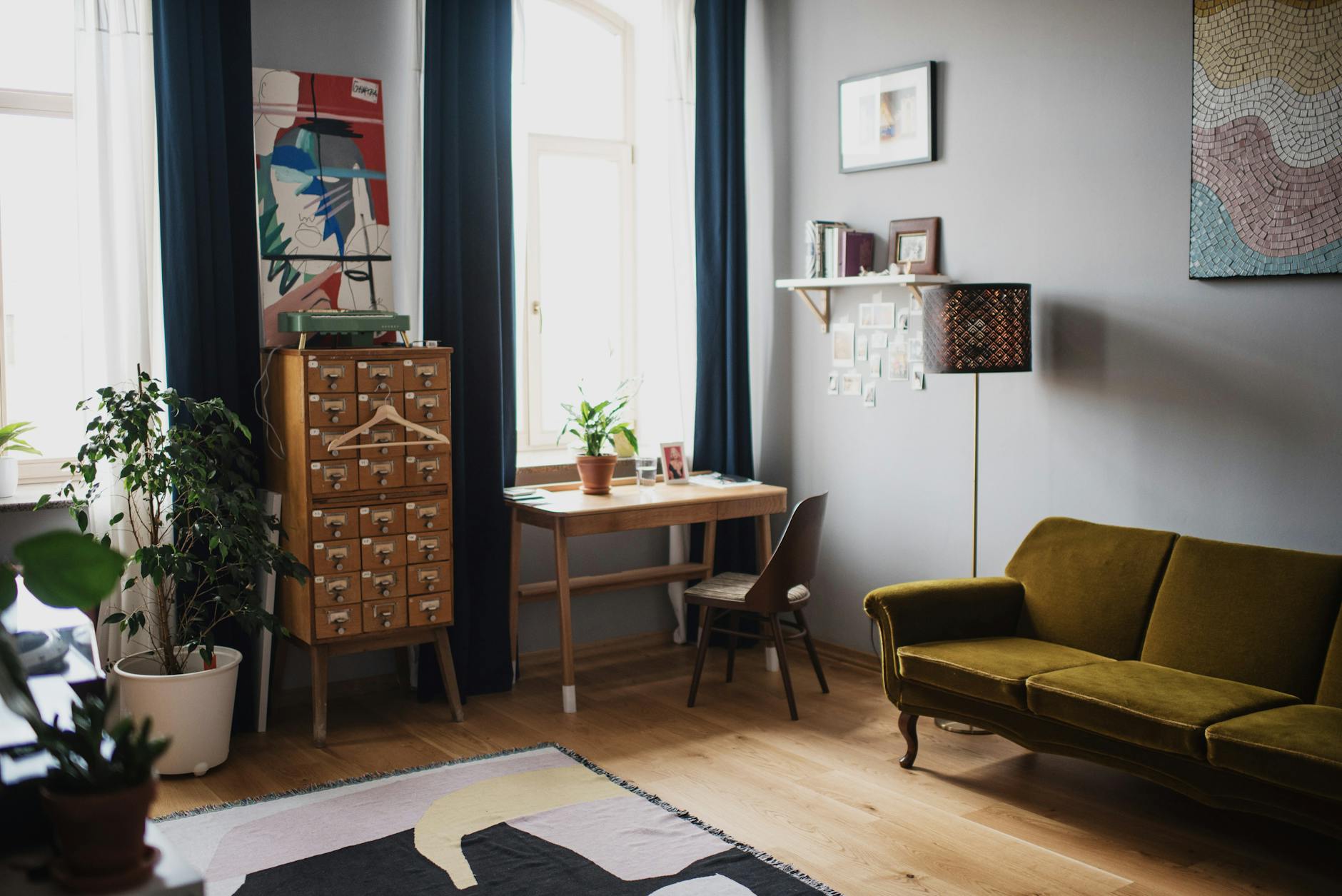
How to Paint Your House the Right Way: Avoiding Costly Mistakes
Are you considering giving your home a fresh coat of paint? Before you grab that paintbrush, it's crucial to know that painting your house involves more than just picking a color. The process requires careful planning and execution to ensure a flawless finish that stands the test of time. To paint your house the right way and avoid common pitfalls that could lead to costly mistakes, here are some tips to follow.

Mind the Weather Conditions
Don't underestimate the impact of weather on your painting project. Ideal painting conditions typically include mild temperatures and low humidity. Extreme heat can cause the paint to dry too quickly, leading to uneven application, while high humidity may result in slow drying times. And, when it comes to painting your house in low temperatures, it's crucial to look into how cold is too cold for your specific paint. Aim to paint on days with moderate weather, and check the forecast beforehand. If rain is in the forecast, it's best to postpone your project to prevent potential water damage to the fresh paint.
Preparation is Key
So, before diving into the exciting world of color palettes, start with thorough preparation. Begin by cleaning the surfaces you plan to paint, removing dirt, dust, and any loose or chipping paint. Repair any damaged areas, and consider using a primer to create a smooth surface for the new paint to adhere to. Taking the time to prep your surfaces adequately sets the foundation for a professional-looking paint job.
Choose the Right Paint
Selecting the right paint goes beyond color preferences. Consider factors such as the type of surface you're painting, the climate in your area, and the level of durability you need. Invest in high-quality paint that suits your specific needs, and don't forget about the finish – whether it's matte, satin, or glossy. Making informed choices about your paint will not only enhance the aesthetic appeal but also ensure longevity.
Surface Compatibility
- Evaluate the type of surfaces you're painting, whether it's wood, stucco, metal, or other materials.
- Different surfaces may require specific types of paint to adhere effectively and withstand environmental elements.
Climate Considerations
- Take your local climate into account when selecting paint. In areas with extreme temperatures, choose a paint that can expand and contract without compromising its integrity.
- In humid climates, opt for mold and mildew-resistant formulations to prevent unsightly growth on your painted surfaces.
Durability and Traffic
- Assess the level of wear and tear your painted surfaces will endure. High-traffic areas, such as hallways and entryways, may benefit from a more durable and washable paint to withstand frequent cleaning and potential scuffs.
Finish Matters
- The finish of your paint not only affects the aesthetics but also plays a role in durability.
- Matte finishes are ideal for hiding imperfections but may be less washable, while satin and glossy finishes are more resistant to stains and easier to clean but may highlight surface flaws.
- Choose a finish that aligns with your maintenance preferences and the specific requirements of each painted area. This will ensure that you stay healthy after this project because you'll avoid potential risks associated with outdated or hazardous materials. Homeowners from the City of Brotherly Love often reach out to Philadelphia lead removal services to make sure their surfaces are safe, especially when working with older homes where lead-based paint may have been used.
Use the Right Tools
The tools you use can significantly impact the outcome of your painting project. Invest in quality brushes, rollers, and painter's tape. Cheap or worn-out tools can lead to uneven paint application and messy edges. Take the time to properly clean and maintain your tools, ensuring they're in top condition for each use. The right tools, combined with proper technique, contribute to a smooth and professional finish.
Practice Smart Painting Techniques
Once you're ready to start painting, employ smart techniques to achieve a flawless result. Work from top to bottom, use long and even strokes, and be mindful of drying times between coats.
If you're tackling multiple rooms, consider a systematic approach to maintain consistency. Pay attention to detail, and don't rush the process. Precision and patience are key when it comes to painting your house the right way.
Post-Painting Cleanup and Maintenance
Congratulations, you've successfully painted your house! However, the job isn't complete until you've cleaned up and performed the necessary maintenance. Remove painter's tape carefully to avoid peeling off fresh paint. Clean your brushes and rollers thoroughly, and store them properly for future use. Inspect your painted surfaces for any imperfections or missed spots, and touch them up as needed. Regular maintenance, such as cleaning your painted surfaces and addressing any issues promptly, will contribute to the longevity and vibrancy of your newly painted home.

To achieve a professional and long-lasting finish, prioritize thorough preparation, choose quality paint and tools, and employ smart painting techniques. Factor in weather conditions to ensure optimal application, and don't forget the importance of post-painting cleanup and maintenance. By following these comprehensive guidelines, you'll not only avoid costly mistakes but also enjoy a home that radiates a fresh and vibrant appeal for years to come.
- Residential Driveway Planning Guide: Materials, Drainage, Installation, and Maintenance - August 20, 2026
- A Flexible Zion National Park Itinerary for Hikers, Families, and Scenic Road Trippers - August 20, 2026
- Persistent Odors Need Source-Level Treatment: FIRESTONE Restoration Provides Professional Ottawa Sanitizing Services - August 20, 2026