How to Decide on a Surgery: A Guide for Complex Upper Limb Procedures
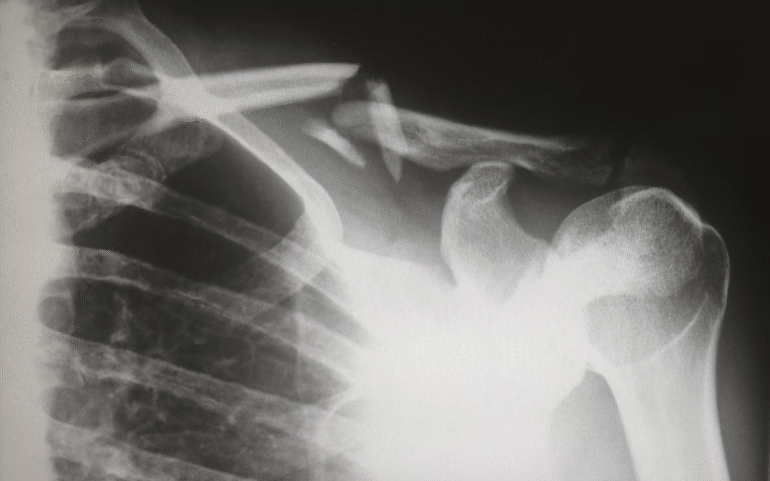
Choosing surgery for an upper limb condition can feel overwhelming. The decision involves balancing pain, mobility, and long-term quality of life. For patients dealing with shoulder, elbow, or wrist problems, understanding when surgery becomes the best option requires clear information and professional guidance. Complex procedures demand both careful evaluation and trust in specialized care. Knowing the right questions to ask and the factors to consider can help you make an informed choice with confidence.
Understanding the Nature of the Problem
Every surgical decision starts with a proper diagnosis. Upper limb issues can stem from injuries, degenerative conditions, or structural abnormalities. The severity, frequency, and duration of symptoms determine whether surgery should be considered.
Persistent pain that interferes with daily function signals a deeper issue. When nonsurgical treatments such as rest, physical therapy, or medication fail to restore comfort or motion, surgical intervention may offer lasting relief. Understanding the source of discomfort helps patients weigh benefits against risks.
A detailed assessment, including imaging scans and physical tests, provides a clear picture of the condition. Discussing these results with a specialist ensures you understand both the diagnosis and its implications for daily activities and long-term function.
Consulting With the Right Specialist
Choosing the right surgeon shapes your outcome. Upper limb surgeries require advanced knowledge of complex anatomy involving muscles, tendons, and nerves. A qualified specialist evaluates your condition in context and develops a tailored plan to achieve the best recovery. Patients often benefit from working with a shoulder surgery expert who has experience in handling intricate joint and soft tissue procedures. Expertise in minimally invasive techniques and modern surgical tools reduces recovery time and increases precision. Such professionals provide insight into whether a procedure aligns with your specific needs and lifestyle goals.
During consultation, ask about the surgeon’s experience with similar cases and success rates. Clear communication ensures you feel confident and supported through every stage of the process.
Evaluating Non-Surgical Options First
Surgery should rarely serve as the first step in treatment. Many upper limb issues improve through rehabilitation, therapy, and lifestyle modifications. Restoring muscle strength, improving flexibility, and reducing inflammation through guided exercises can sometimes delay or prevent the need for surgery.
Physical therapy strengthens supporting muscles and enhances the range of motion. Bracing or taping offers stability during recovery. Targeted injections or regenerative therapies may reduce pain and promote healing. Exploring these alternatives first ensures that surgical intervention remains a last resort, chosen only when truly necessary.
If conservative methods fail to deliver improvement, surgery becomes a logical next step in the pursuit of long-term relief and restored function.
Weighing Risks and Benefits
Every operation carries inherent risks. Understanding potential complications helps you make a balanced decision. Common risks include infection, nerve injury, or stiffness following recovery. Discussing these possibilities with your surgeon provides clarity about their likelihood and how they can be managed.
The benefits, on the other hand, often include improved mobility, reduced pain, and a return to normal activities. Comparing risks against expected outcomes helps patients view surgery objectively.
A study published in the Journal of Orthopedic Surgery and Research found that patients who actively engaged in preoperative education and decision-making reported higher satisfaction and smoother recoveries. Informed participation empowers you to manage expectations and prepare effectively for post-surgery rehabilitation.
Considering Timing and Recovery
Timing plays a crucial role in surgical success. Performing a procedure too early may expose the body to unnecessary risk, while delaying it too long can lead to joint stiffness or worsening damage. The right timing depends on symptom severity, lifestyle demands, and overall health.
Discussing recovery expectations with your surgeon helps plan daily life during healing. Most upper limb surgeries require structured rehabilitation to restore strength and movement. Setting realistic goals ensures a smoother transition from surgery to full activity.
Recovery time varies based on procedure complexity. Shoulder reconstructions, tendon repairs, and joint replacements demand patience and consistency. Understanding your body’s healing capacity allows for better planning and mental readiness.
Preparing Physically and Mentally
Preparation sets the foundation for success. Maintaining physical strength before surgery supports faster recovery. Simple exercises approved by your healthcare team can keep muscles active and circulation healthy. Proper nutrition promotes healing and immune function.
Equally important is mental preparation. Anxiety often accompanies surgical decisions, but education and communication reduce fear. Discussing each stage with your medical team helps align expectations and build confidence.
Arranging support at home makes recovery smoother. Assistance with daily activities during early healing prevents strain and promotes rest. A clear plan before surgery reduces stress and increases focus on recovery.
Choosing upper limb surgery requires careful thought, expert guidance, and self-awareness. From diagnosis to recovery, every decision shapes comfort and mobility for years ahead. Understanding risks, timing, and preparation creates clarity in a complex process. Working with qualified specialists ensures precision, safety, and personalized care. With the right information and support, patients can approach surgery with confidence, knowing they have made a choice grounded in trust, preparation, and long-term well-being.
- Residential Driveway Planning Guide: Materials, Drainage, Installation, and Maintenance - August 20, 2026
- A Flexible Zion National Park Itinerary for Hikers, Families, and Scenic Road Trippers - August 20, 2026
- Persistent Odors Need Source-Level Treatment: FIRESTONE Restoration Provides Professional Ottawa Sanitizing Services - August 20, 2026