From Storms to Heatwaves: Roof Care for Every Condition
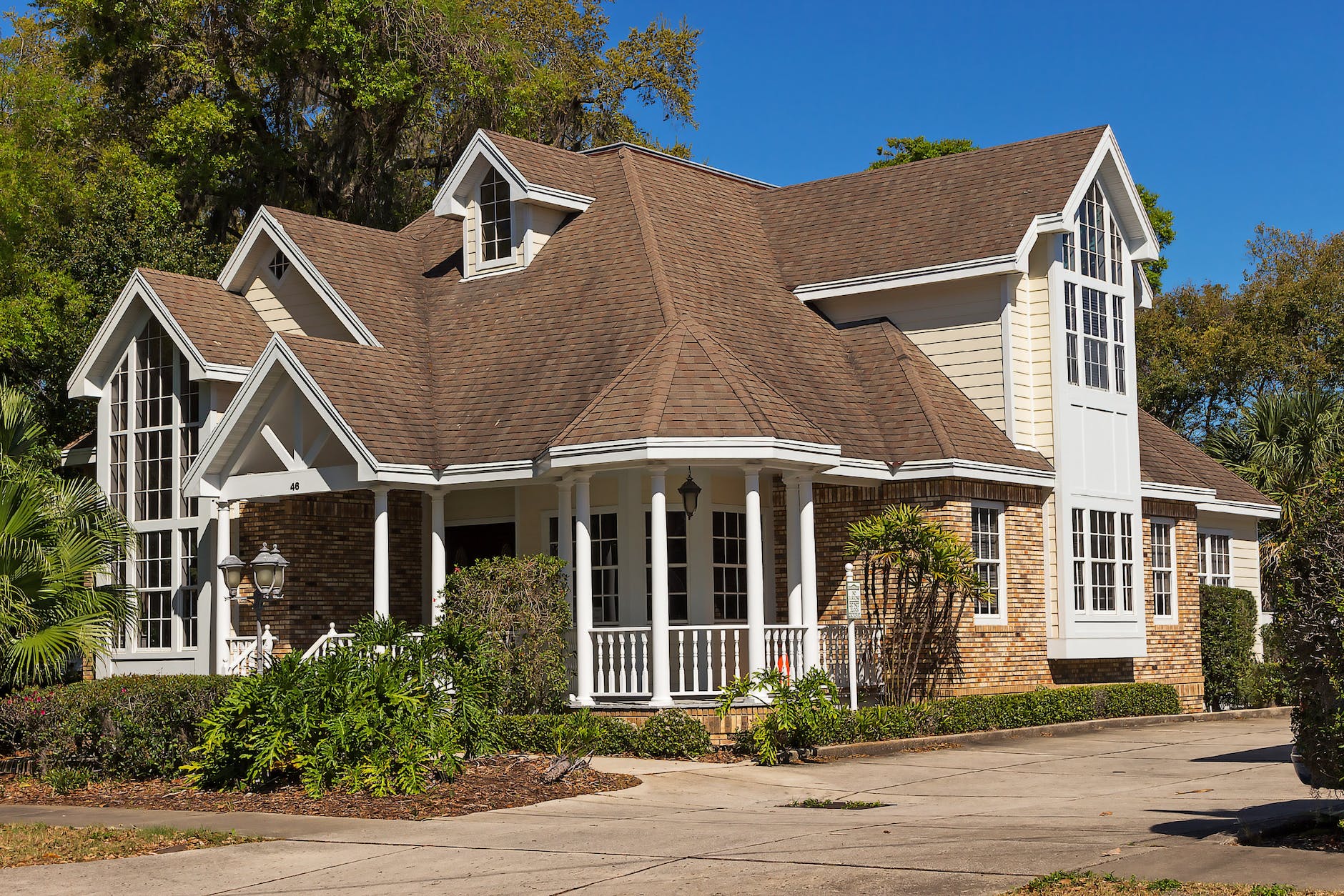
Your roof is one of the most important components of your home, serving as the first line of defense against the elements. Many homeowners only think about it after obvious damage occurs. Weather extremes, whether violent storms, blistering heatwaves, or heavy snowfalls, can take a toll on roofing materials, shortening their lifespan and creating costly repair needs. With proactive care and an understanding of how different conditions affect your roof, you can protect your investment and keep your home safe.
Storm Damage and the Importance of Quick Response
Heavy storms, including high winds, hail, and torrential rain, can cause immediate and visible damage. Shingles may be ripped away, flashing loosened, or gutters clogged with debris. Even small cracks or lifted materials can allow water infiltration, leading to leaks, mold, or structural weakening.
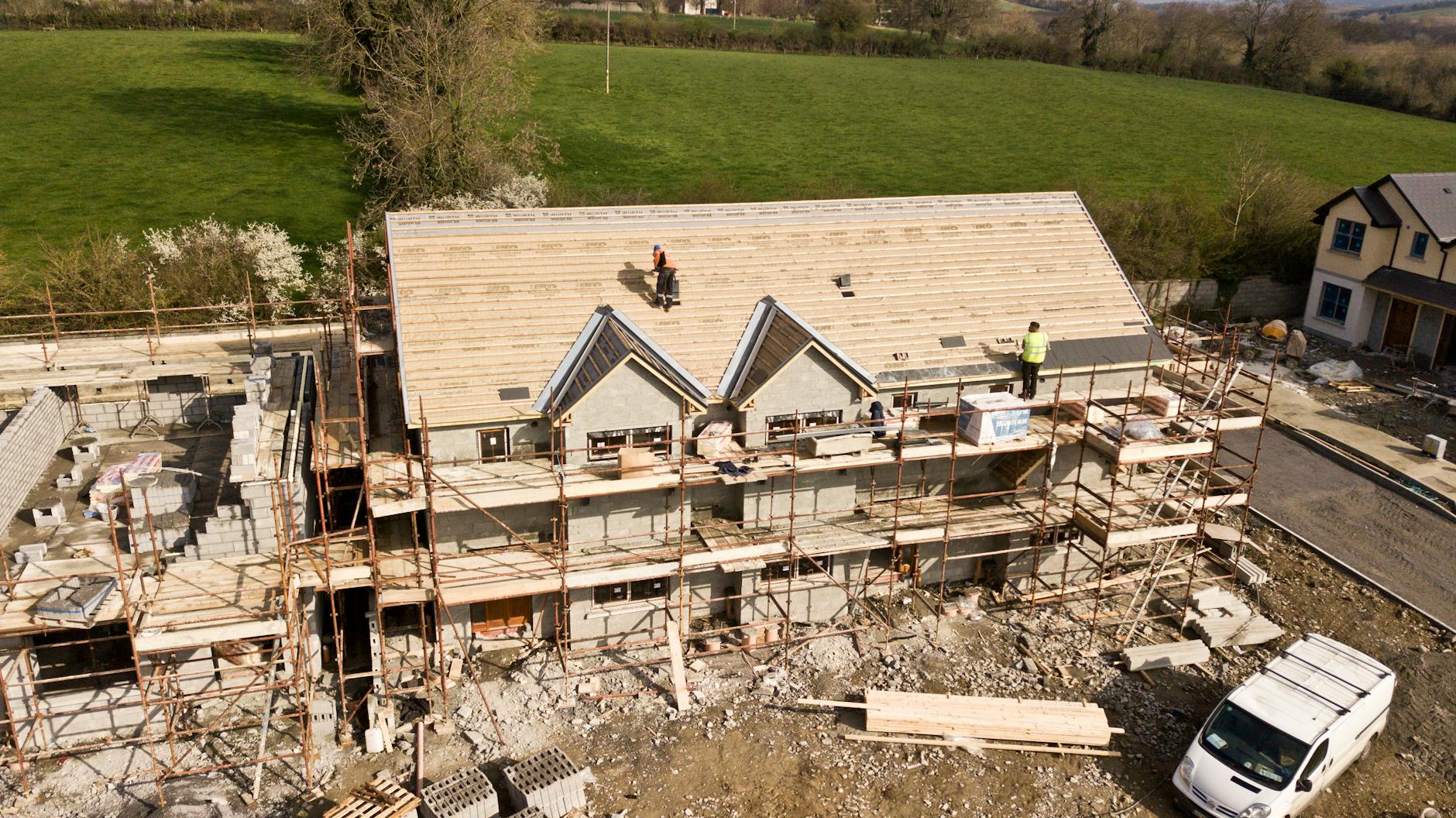
Responding quickly after a storm is crucial. Homeowners should visually inspect their roofs (from the ground or with professional help) to identify missing or damaged shingles, granule loss, or pooling water. Partnering with roof replacement experts ensures that even hidden weaknesses are identified and corrected before they become major problems. Storm-related issues aren’t obvious right away, which is why scheduling a post-storm inspection is always a smart choice.
Managing Roofs in Prolonged Heatwaves
While storms often cause sudden damage, prolonged heatwaves can be just as destructive, though in less noticeable ways. Extreme heat can cause roofing materials to expand and contract repeatedly, leading to cracks, warping, and premature aging. Asphalt shingles, for example, may curl or lose granules faster under sustained high temperatures, while flat roofing systems can develop blistering.
To protect your roof in hot climates, proper ventilation and insulation are critical. Ventilation keeps attic temperatures balanced, preventing heat buildup that can damage the underside of the roof. Reflective coatings or lighter-colored materials can minimize heat absorption. Regular maintenance during hot months helps ensure the roof continues to provide protection without unnecessary wear.
Snow, Ice, and Winter Roof Challenges
Cold weather presents its own set of roofing challenges. Snow accumulation adds significant weight, while melting snow can create ice dams along the edges of the roof. These dams prevent proper drainage, causing water to back up under shingles and into the home.
Preventing ice dams often comes down to proper attic insulation and ventilation, which help maintain an even roof temperature. Clearing gutters before winter sets in can promote proper water flow. Homeowners in snowy climates may want to invest in snow guards or heating cables to manage ice buildup and prevent sudden snow slides.
Rain and Moisture Management
Frequent rain tests your roof’s waterproofing ability, and it can accelerate deterioration. Persistent moisture encourages the growth of moss, algae, and mold, which compromise roofing materials and create unattractive discoloration. If left untreated, these growths can break down shingles and reduce the roof’s protective capabilities.
Regular cleaning and the installation of zinc or copper strips can help prevent moss and algae growth. Ensuring gutters and downspouts are functioning properly will protect the roof and foundation from water-related damage. In regions with heavy rainfall, opting for water-resistant materials like metal roofing may be a long-term solution.
Preparing for Seasonal Transitions
It’s not just extreme weather events that stress a roof; seasonal transitions can have an impact. The shift from warm to cold weather, or vice versa, often creates conditions where materials expand and contract, increasing wear. Debris like leaves and branches from autumn storms may clog drainage systems, while springtime pollen and dirt can accumulate and affect roof appearance and performance.
Conducting inspections at the start and end of each season is a proactive way to catch early signs of deterioration. Cleaning gutters, trimming overhanging branches, and checking seals around vents and chimneys are simple yet effective steps in year-round roof care.
Long-Term Maintenance and Professional Support
Consistent maintenance is the key to maximizing your roof’s lifespan, no matter the climate. Scheduling professional inspections at least twice a year helps identify small issues before they escalate. Professionals can provide preventative services like resealing flashing, replacing worn shingles, and reinforcing vulnerable areas.
For homeowners in areas prone to extreme weather, investing in impact-resistant shingles or advanced roofing materials can provide extra peace of mind. Though the upfront cost may be higher, the long-term savings on repairs and replacements can make these investments worthwhile.
Your roof faces challenges from every season and climate condition, from sudden storms to relentless heatwaves. By staying proactive with inspections, maintenance, and proper preparation, you can prevent small issues from becoming costly emergencies. Partnering with professionals when needed ensures you’re addressing both visible and hidden damage, keeping your roof strong and resilient year-round. A well-cared-for roof enhances curb appeal and safeguards your home, your family, and your investment for years to come.
- Understanding Plumbing Challenges and Solutions in Rogers, Arkansas - July 24, 2026
- Dental Implants in Rapid City, SD: Restoring Smiles for the Community - July 24, 2026
- Innovative Vision Solutions for the Modern Era - July 22, 2026