
Discover EMDR Intensives Near You: A Path to Healing
Understanding the EMDR Intensive Model
Have you ever felt that traditional weekly therapy sessions aren't moving fast enough? Perhaps you're dealing with deep-seated emotional challenges or past trauma that feels overwhelming. We understand this feeling.
That's why we want to introduce you to EMDR intensives. These are a powerful, focused way to address trauma and emotional distress. They help you make significant progress in a shorter time.
This comprehensive guide will explore everything about EMDR intensives. We will explain what they are and how they differ from regular therapy.
We'll also dive into the science behind them. You'll learn who benefits most from this accelerated approach.
Finally, we'll show you how to find qualified providers offering EMDR intensives near you. Your path to healing can be accelerated.
EMDR (Eye Movement Desensitization and Reprocessing) therapy has emerged as a highly effective, evidence-based treatment for various mental health conditions, particularly those stemming from trauma. Traditionally delivered in weekly sessions, the EMDR intensive model offers a condensed, immersive approach designed for rapid, profound healing. This format allows individuals to dig deeply into their experiences without the interruptions often inherent in standard therapy schedules.
Research consistently supports EMDR therapy's efficacy in reducing symptoms of PTSD, anxiety, and depression. A significant insight from recent studies is that the intensive model can be an equally, or even more, effective and economical approach to delivering trauma-focused therapy. This is because intensives enable faster symptom reduction with similar, or even better, results, while simultaneously reducing the risk of premature patient dropout. The compelling economy of this format stems from time saved by not repeatedly checking in at the start of each session, addressing current crises, focusing on temporary coping skills, or assisting the client in regaining composure at the end of a session.
What is EMDR Therapy?
At its core, EMDR therapy is a psychotherapy approach that helps people heal from the symptoms and emotional distress that are the result of disturbing life experiences. It is grounded in the Adaptive Information Processing (AIP) model, which posits that our brains have a natural capacity to process and integrate disturbing memories. However, sometimes, especially after traumatic events, this natural processing system can get overwhelmed, leading to “stuck memories.” These unprocessed memories can manifest as flashbacks, nightmares, anxiety, depression, and other debilitating symptoms.
Developed by Dr. Francine Shapiro in the late 1980s, EMDR therapy is an eight-phase approach that systematically helps individuals reprocess these distressing memories. It's not just about talking through past events; it involves specific bilateral stimulation (often eye movements, but can also be auditory tones or tactile pulsers) that helps the brain integrate the unprocessed information. This process allows for the desensitization of disturbing memories and the development of more adaptive beliefs about oneself. Unlike some therapies, EMDR also incorporates somatic processing, acknowledging the physical sensations and stored tension that often accompany trauma.
How Do Intensives Differ from Traditional Weekly Sessions?
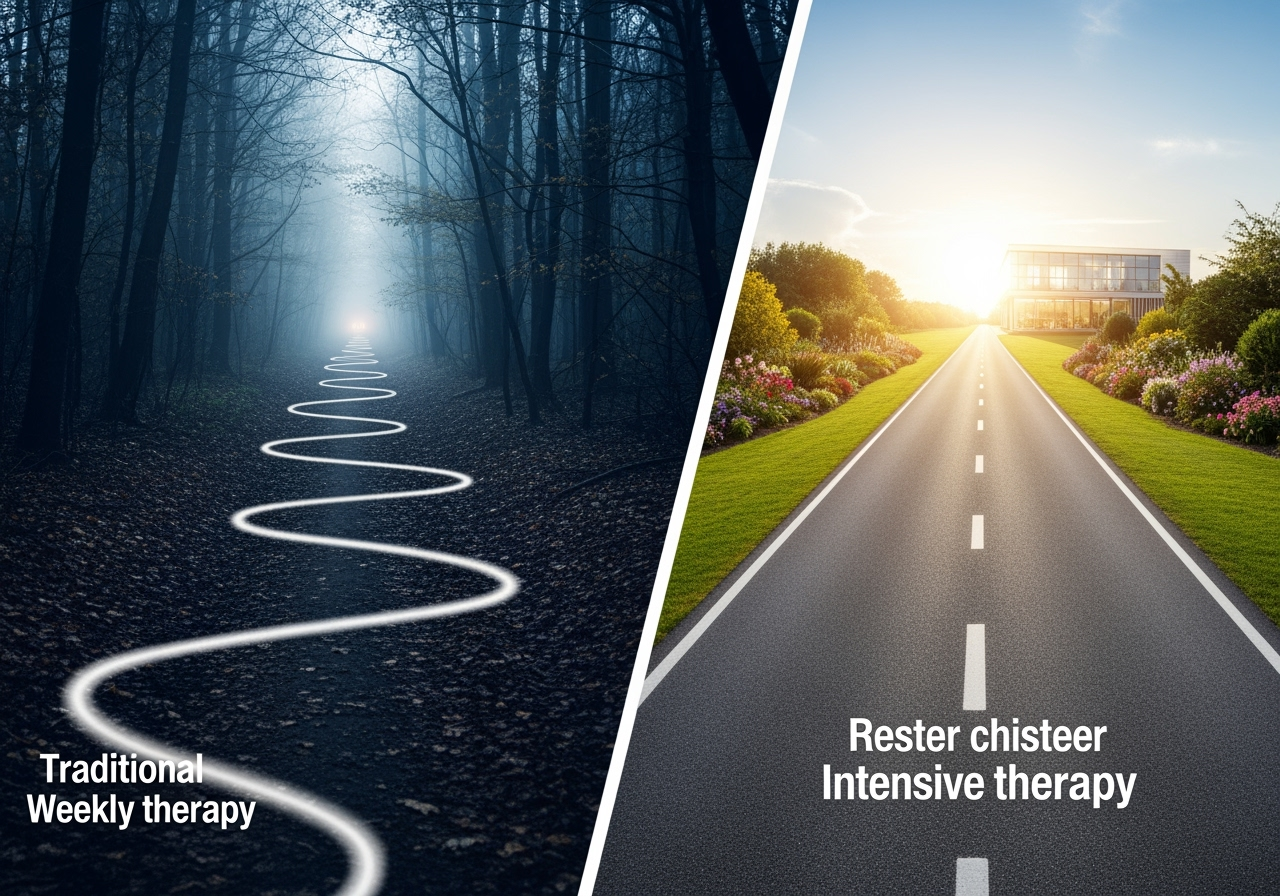
The fundamental difference between EMDR intensives and traditional weekly therapy lies in their structure and pacing. While weekly sessions typically last 50-90 minutes, intensives condense multiple sessions into a structured, shorter timeframe, often ranging from a half-day to several full days. This allows for deeper, uninterrupted therapeutic work in a safe and supportive environment.
Here’s a comparison:
| Feature | Weekly EMDR Therapy | EMDR Intensive Therapy |
|---|---|---|
| Pacing | Slower, gradual progress | Accelerated, rapid progress |
| Session Length | 50-90 minutes | 3-6 hours per day, or multiple consecutive days |
| Time to Results | Months to years | Days to weeks |
| Focus | Broader, often includes life updates and crisis management | Concentrated on specific trauma or emotional challenges |
| Momentum | Can be lost between sessions | Maintained throughout the intensive, fostering deep work |
| Interruptions | Frequent check-ins, re-establishing focus | Minimal, allowing for continuous processing |
The intensive format capitalizes on the brain's ability to maintain focus and momentum. Instead of spending valuable time each week “checking in” or addressing minor daily stressors, intensives allow for a deep dive into the core issues. This sustained focus can lead to quicker breakthroughs and more enduring results, as the therapeutic process builds upon itself without significant breaks. It's about creating a “deep healing space” that is often needed to create real change for people.
The Science and Structure of an EMDR Intensive
The effectiveness of EMDR intensives is deeply rooted in the science behind EMDR therapy itself, particularly the role of bilateral stimulation within the Adaptive Information Processing (AIP) model. Trauma, in essence, is not just a psychological event; it has a profound neurobiological impact, often leading to fragmented memories and dysregulated emotional responses. EMDR works to help the brain reprocess these fragmented experiences, moving them from a “stuck” state to an integrated one. It's not about reliving the trauma in a harmful way, but rather about reprocessing it in a controlled, safe environment, allowing the brain's natural healing capacity to take over.
How Bilateral Stimulation Facilitates Healing
Bilateral stimulation (BLS) is the hallmark of EMDR therapy. This involves rhythmic left-right stimulation of the brain, most commonly achieved through guided eye movements, but also effectively delivered via auditory tones (through headphones) or tactile pulsers (held in the hands). The precise mechanism is still being researched, but current theories suggest that BLS mimics the eye movements observed during REM sleep, a phase of sleep crucial for memory consolidation and emotional regulation.
During EMDR, this bilateral stimulation helps to:
- Activate both brain hemispheres: This facilitates communication between the logical, verbal parts of the brain (often associated with the left hemisphere) and the emotional, sensory parts (often associated with the right hemisphere). This integration is key to reprocessing traumatic memories.
- Reduce emotional intensity: As the brain engages in BLS while focusing on a distressing memory, the emotional charge associated with that memory tends to decrease. This is known as desensitization.
- Facilitate reprocessing: The BLS helps the brain to move the “stuck” memory from its isolated, distressing state into the brain's adaptive memory networks. This allows the individual to gain new perspectives, integrate the experience, and store it as a less disturbing, resolved memory.
- Support natural healing: By engaging the brain's innate processing mechanisms, EMDR helps individuals naturally heal from the inside out, rather than just learning coping strategies to manage symptoms.
The Typical Structure of an Intensive Program
While the specifics can vary based on the therapist and client needs, an EMDR intensive program generally follows a clear, structured journey to maximize therapeutic gains.
Here’s a typical outline of the EMDR Intensive Journey:
- Initial Consultation and Assessment: This crucial first step involves a thorough evaluation of your history, current concerns, trauma background, and therapeutic goals. The therapist assesses your readiness for intensive work, ensuring you have sufficient coping skills and support systems in place. This phase is essential for tailoring the intensive program to your unique needs.
- Preparation and Resourcing: Before diving into reprocessing, significant time is dedicated to preparation. This includes building rapport with your therapist, understanding the EMDR process, and developing or strengthening grounding techniques and self-soothing strategies. This phase ensures you feel safe, supported, and equipped to manage any emotional discomfort that may arise during the intensive.
- The Intensive Days (Half-Day or Multi-Day): This is the core of the intensive, where the bulk of the EMDR reprocessing occurs. Sessions can range from 3 to 6 hours per day, often over one to several consecutive days. The uninterrupted time allows for deep, sustained focus on target memories, enabling significant movement and resolution. Breaks are strategically integrated to allow for reflection and integration.
- Integration and Follow-up: The work doesn't end when the intensive sessions conclude. Post-intensive care is vital for integrating the healing into your daily life. This typically includes a follow-up session or two to check on progress, discuss insights, and reinforce new coping mechanisms. Therapists also provide resources for continued self-care and support.
The Eight Phases of EMDR in a Condensed Format
The eight phases of EMDR therapy, initially designed for weekly sessions, are seamlessly integrated and often accelerated within an intensive format. This ensures that the comprehensive nature of EMDR is maintained while benefiting from the condensed timeline.
- History Taking: The therapist gathers information about your history, identifying potential target memories and current symptoms. In an intensive, this phase is often completed during the initial consultation, allowing more intensive days for reprocessing.
- Preparation: As mentioned, this involves building trust, explaining EMDR, and teaching coping skills. It’s critical for ensuring client stability and readiness.
- Assessment: Specific target memories are identified, along with associated negative beliefs, positive beliefs, emotional intensity (SUDs – Subjective Units of Disturbance), and physical sensations (VOCs – Validity of Cognition).
- Desensitization: This is where bilateral stimulation is applied while you focus on the target memory. The goal is to reduce the emotional distress associated with the memory to a zero on the SUD scale.
- Installation: Once desensitization is achieved, the focus shifts to strengthening the positive belief about yourself related to the reprocessed memory.
- Body Scan: You'll be asked to scan your body for any residual physical tension or sensations. If any are present, further processing may occur until the body feels calm.
- Closure: Each intensive session concludes with techniques to ensure you leave feeling grounded and stable, even if the processing of a memory isn't fully complete.
- Reevaluation: At the start of subsequent intensive sessions or follow-up appointments, the therapist reevaluates the progress made on previously processed targets and plans next steps.
This structured yet flexible approach allows the intensive format to deliver profound results efficiently, building on the brain's natural capacity for healing.
Who is an Ideal Candidate for EMDR Intensives?
EMDR intensives are not a one-size-fits-all solution, but they can be profoundly beneficial for a wide range of individuals seeking accelerated healing. The intensive format is particularly well-suited for those who are highly motivated, have a clear therapeutic goal, and possess a foundational level of emotional stability. It's an excellent option for individuals who have felt “stuck” in traditional therapy or whose busy schedules make weekly appointments challenging to maintain.
Conditions Addressed by EMDR Intensives
EMDR intensives are highly effective for processing various types of trauma, emotional challenges, and mental health conditions. While EMDR was initially developed for Post-Traumatic Stress Disorder (PTSD), its application has expanded significantly.
EMDR intensives can help address:
- PTSD (Post-Traumatic Stress Disorder): This is the primary condition for which EMDR is recognized as an evidence-based treatment. Intensives allow for rapid processing of traumatic memories contributing to PTSD symptoms.
- Complex Trauma (C-PTSD): For individuals with prolonged or repeated trauma, especially from childhood abuse and neglect, intensives can provide a safe, contained space to process layers of distressing experiences.
- Anxiety and Panic Disorders: Underlying traumatic experiences or distressing life events often contribute to anxiety and panic. EMDR intensives can help desensitize these triggers.
- Depression: While not a direct treatment for depression, EMDR can address traumatic roots or negative self-beliefs that contribute to depressive symptoms.
- Grief and Loss: Processing unresolved grief, especially complicated grief, can be significantly advanced in an intensive setting.
- Phobias: Specific phobias often have a traumatic origin, which can be addressed through EMDR.
- Performance Blocks: For athletes, artists, or professionals, past failures or negative experiences can create mental blocks. EMDR can help reprocess these to improve performance.
- Negative Self-Beliefs: Many emotional struggles are rooted in deeply ingrained negative beliefs about oneself. Intensives can target the experiences that formed these beliefs.
- Developmental Trauma: Early childhood experiences that were not necessarily “big T” traumas but were consistently invalidating or neglectful can be processed to heal attachment wounds.
- Single-Incident Trauma: For recent, isolated traumatic events (e.g., car accidents, natural disasters), an intensive can often prevent the development of chronic PTSD symptoms.
Assessing Your Readiness for Intensive Work
Determining if an EMDR intensive is right for you involves an honest assessment of your current state and goals. An intensive is most suitable for individuals who:
- Feel “stuck” in talk therapy: If you've been in traditional therapy for a while but feel like you're not making significant progress on specific issues, an intensive might provide the breakthrough you need.
- Are motivated for rapid change: You have a strong desire to resolve your issues quickly and are willing to commit the focused energy required.
- Have foundational coping skills: While intensives build resources, having some existing skills for managing distress (e.g., grounding, self-soothing) is crucial for navigating the intense emotional processing.
- Have busy schedules: For professionals, parents, or those with limited availability, condensing therapy into a few days can be more feasible than committing to weekly appointments over many months.
- Need focused work: You have a specific trauma or challenge you want to address without the distractions of broader life updates common in weekly sessions.
- Are seeking a “fastpass” to healing: The intensive format offers a way to condense months of healing work into a shorter timeframe, allowing for quicker symptom reduction and improved well-being.
When an Intensive Might Not Be the Right Fit
While highly effective, EMDR intensives are not universally suitable. A thorough assessment by a qualified EMDR therapist is always necessary to determine appropriateness. An intensive might not be the right fit if you:
- Lack stabilization: If you are currently in a severe life crisis, actively suicidal, or struggling with acute symptoms that require immediate stabilization, a slower, more paced approach may be necessary first.
- Have insufficient coping resources: If you don't have a basic toolkit for managing intense emotions, the rapid processing of an intensive could be overwhelming.
- Require a slower-paced processing: Some individuals benefit from a more gradual pace of therapy, allowing more time to integrate insights and adjust to changes between sessions.
- Are dealing with active substance abuse or severe dissociative disorders: These conditions often require a more extensive period of stabilization and preparation before intensive trauma processing can be safely undertaken.
- Are not ready to commit fully: The intensive format demands significant emotional and mental engagement. If you're not prepared for that level of commitment, it may not yield the desired results.
The importance of a thorough assessment cannot be overstated. A skilled EMDR therapist will carefully evaluate your history, current symptoms, and readiness to ensure the intensive format is safe and beneficial for your unique situation.
How to Find EMDR Intensives Near Me
Finding the right EMDR intensive provider is a crucial step on your healing journey. With the growing popularity and proven efficacy of EMDR intensives, more therapists and centers are offering this specialized service. Whether you're looking for an in-person experience or the convenience of virtual sessions, knowing what to look for and where to search will help you connect with a qualified professional.
What to Look for in a Qualified Provider
When seeking an EMDR intensive therapist, prioritize qualifications, experience, and a good therapeutic fit. Here are key factors to consider:
- EMDRIA Certification: Ensure the therapist is certified by EMDRIA (EMDR International Association) or a recognized EMDR training institute. This signifies they have completed comprehensive training and consultation in EMDR therapy. An EMDRIA-approved consultant or certified therapist has gone through rigorous training beyond the basic level.
- Experience with Intensives: Ask about their specific experience in conducting EMDR intensives. While a therapist may be EMDR-trained, intensives require a different pacing and skill set. Look for providers who regularly offer and specialize in this format.
- Attachment-Focused Approach: For individuals dealing with developmental or relational trauma, a therapist who integrates an attachment-focused approach into their EMDR work can be particularly beneficial.
- A Provider's Specialization: Some therapists specialize in certain types of trauma (e.g., complex PTSD, medical trauma, specific phobias). Finding someone with expertise in your particular area of concern can improve the effectiveness of the intensive.
- The Importance of a Good Fit: Beyond credentials, rapport with your therapist is paramount. Schedule an initial consultation to gauge comfort, communication style, and whether their approach resonates with you. This initial conversation is vital for ensuring a safe and productive therapeutic experience. For those seeking specialized trauma therapy in the Brooklyn area, exploring Brooklyn EMDR intensives can be a valuable step towards focused healing.
Key Questions to Ask a Potential Therapist
Once you've identified potential providers, preparing a list of questions for your initial consultation will help you make an informed decision.
Here are some essential questions to ask:
- What does your intensive program include? (e.g., number of hours, days, pre-intensive preparation, post-intensive follow-up).
- How do you prepare clients for an intensive? (e.g., specific exercises, resources, stabilization techniques).
- What is your approach to post-intensive care? (e.g., follow-up sessions, integration strategies, ongoing support recommendations).
- How do you tailor the intensive to my specific needs and goals? (e.g., how they assess and customize the treatment plan).
- What is your philosophy on EMDR intensives compared to weekly sessions?
- What are your fees, and what is your cancellation policy for intensives? (Note: Specific pricing should not be mentioned in the article, but this is a question clients should ask).
- What are your qualifications and experience specifically with EMDR intensives?
- Are there any conditions for which you would not recommend an intensive?
Finding In-Person and Virtual EMDR Intensives Near Me
The search for EMDR intensives can begin with online directories and professional associations.
- EMDRIA Website: The EMDRIA website has a “Find a Therapist” directory that allows you to search for EMDR-trained and certified therapists by location. Many profiles indicate if they offer intensive programs.
- Therapist Directories: Websites like Psychology Today, GoodTherapy, and Zocdoc allow you to filter by specialty (EMDR) and location. You can then review individual profiles for mentions of intensive programs.
- Local Search: A simple online search for “EMDR intensives near me” or “trauma therapy intensives [your city/state]” can yield results for local practices.
In-Person vs. Virtual:
- Benefits of In-Person Therapy: For some, being physically present in a dedicated therapeutic space can improve feelings of safety and containment. It also removes potential distractions from the home environment.
- Convenience of Virtual Sessions: Virtual EMDR intensives have become increasingly common and effective. They offer unparalleled flexibility, allowing you to access specialized care from the comfort of your home, eliminating travel time and geographical barriers. This is particularly beneficial for those in rural areas or with limited mobility.
- State Licensing Laws: Be aware that therapists are generally licensed to practice only in the state(s) where they hold credentials. If considering a virtual intensive, ensure the therapist is licensed in your state of residence.
Regardless of whether you choose an in-person or virtual intensive, the key is to find a qualified, experienced therapist who can provide the safe and structured environment necessary for deep healing.
Preparation, Integration, and Aftercare
Starting on an EMDR intensive is a significant commitment to your healing journey. To maximize its effectiveness and ensure a smooth process, proper preparation, mindful engagement during the intensive, and dedicated aftercare are all crucial. Think of it as preparing for a marathon for your mind and emotions – you wouldn't just show up on race day without training.
How to Prepare for Your EMDR Intensive
The groundwork you lay before your intensive can significantly impact your experience and outcomes.
- Logistical Planning: Clear your schedule for the duration of the intensive. Minimize work, social obligations, and other stressors. Ensure you have a quiet, private space if doing a virtual intensive. Arrange for childcare or pet care if needed.
- Clearing Your Schedule: This cannot be stressed enough. Treat your intensive days as sacred time dedicated solely to your healing. Avoid scheduling anything strenuous or emotionally demanding immediately before or after sessions.
- Emotional Preparation: Engage in self-care activities that nourish you. This might include light exercise, mindfulness, spending time in nature, or connecting with supportive loved ones. Practice any grounding techniques your therapist has taught you.
- Practicing Grounding Techniques: These are vital for managing potential emotional intensity. Familiarize yourself with deep breathing, sensory grounding (e.g., noticing five things you can see, four you can hear), or body-based exercises.
- Setting Clear Intentions: Reflect on what you hope to achieve. While the process is organic, having a clear focus can help guide the work. Discuss these intentions with your therapist.
What to Expect During and Immediately After
An EMDR intensive is a powerful experience, and it's normal for a range of responses to emerge.
- Emotional Waves: You may experience shifts in emotions, from sadness and anger to relief and peace. These are a natural part of the processing.
- Physical Sensations: Trauma is often stored in the body, so you might notice physical sensations like tension, tingling, or release. Pay attention to these without judgment.
- Fatigue: Processing intense memories can be mentally and emotionally exhausting. It's common to feel tired during and after sessions.
- Need for Rest: Prioritize rest and sleep. Your brain continues to process information even when you're not actively engaged in therapy.
- Journaling Insights: Keep a journal handy to jot down any thoughts, memories, or insights that arise during or between sessions. This can be valuable for integration.
- Self-Compassion: Be kind to yourself. This is challenging work, and it's okay to feel vulnerable. Avoid self-criticism and practice self-soothing.
Integrating the Healing: Post-Intensive Care
The period following an intensive is crucial for integrating the profound shifts that have occurred.
- Importance of a Follow-Up Session: Your therapist will typically schedule one or more follow-up sessions. These are vital for checking in on your progress, addressing any new insights or challenges, and ensuring the processing has fully integrated.
- Allowing Time for Integration: Healing is not linear, and the effects of an intensive can continue to unfold days or weeks later. Be patient with yourself and allow space for this ongoing process.
- Noticing Shifts in Daily Life: Pay attention to how you respond to situations that previously triggered you. You may notice a reduction in emotional reactivity, a change in perspective, or a greater sense of calm.
- Continuing Self-Care Practices: Maintain the self-care routines you established during preparation. This includes adequate sleep, nutrition, hydration, and gentle movement.
- Ongoing Support Options: Depending on your needs, your therapist might recommend continued weekly therapy, group support, or other complementary practices to sustain your progress and build resilience. The goal is to ensure the lasting impact of the intensive.
Frequently Asked Questions about EMDR Intensives
How long does an EMDR intensive program last?
The duration of an EMDR intensive program varies significantly based on individual needs, the complexity of the issues being addressed, and the specific program offered by the therapist. There is no one-size-fits-all answer. Some intensives might be structured as:
- Half-day formats: Typically 3-4 hours of focused EMDR work. These can be ideal for processing single-incident traumas or specific negative beliefs.
- Full-day formats: Often 5-6 hours of therapy, sometimes split over a few days.
- Multi-day formats: Ranging from 2-5 consecutive days, with several hours of intensive work each day. These are often recommended for more complex trauma or when multiple target memories need to be processed.
Your therapist will work with you during the initial consultation to determine the most appropriate duration for your personalized treatment plan, ensuring it aligns with your therapeutic goals and capacity.
What is the cost and is it typically covered by insurance or extended health benefits?
The cost of EMDR intensives can vary widely depending on the therapist's rates, their experience, the program's length, and the services included (e.g., pre-intensive assessment, post-intensive follow-up, materials). Since intensives involve extended sessions, the overall fee will be higher than a single weekly session.
Regarding insurance coverage, EMDR intensives are not typically covered by in-network insurance plans in the same way traditional weekly therapy is. Most insurance companies are structured to reimburse for 50-60 minute sessions, not for multi-hour blocks of therapy. However, some providers may be able to offer a “Superbill” for you to submit to your insurance company for potential out-of-network benefits reimbursement. It is crucial to contact your insurance provider directly before scheduling an intensive to understand your specific benefits, including any out-of-network coverage for psychotherapy and whether they will reimburse for extended sessions or only for a standard hourly rate. This proactive step can help you manage expectations regarding financial investment.
Can EMDR intensives be conducted effectively online?
Yes, EMDR intensives can be conducted very effectively online. The efficacy of telehealth for EMDR therapy, including intensive formats, has been well-supported by research, especially since the increased adoption during recent global events. Many therapists use secure, HIPAA-compliant virtual EMDR platforms that integrate bilateral stimulation (e.g., visual light bars, auditory tones) directly into the video conferencing experience.
For a successful online EMDR intensive, it is important to:
- Ensure a private, stable environment: Find a quiet, confidential space where you will not be interrupted.
- Have reliable internet connection and appropriate technology: A stable connection, a good computer or tablet, and headphones are recommended.
- Follow therapist guidance on setup: Your therapist will provide instructions on how to optimize your space and technology for the best therapeutic experience.
The convenience and accessibility of virtual EMDR intensives have made this powerful healing modality available to a broader population, allowing individuals to engage in deep therapeutic work from the comfort and safety of their own homes.
- Understanding Plumbing Challenges and Solutions in Rogers, Arkansas - July 24, 2026
- Dental Implants in Rapid City, SD: Restoring Smiles for the Community - July 24, 2026
- Innovative Vision Solutions for the Modern Era - July 22, 2026


