
Designing the Sea: Where Elegance Meets Innovation
Key Takeaways
- Nautical design blends art and engineering to create functional and aesthetically pleasing vessels.
- Understanding key design principles can enhance appreciation for yachts and other marine crafts.
- Recent advances have pushed the boundaries of what is feasible in boat design.
Introduction
Nautical design, a blend of artistry and engineering, creates vessels that captivate admiration and imagination. Luxury cruiser yacht models embody this fusion, offering sophistication on the open sea. Yachts hold a timeless allure due to their opulence, stunning design, and lifestyle offerings. Each curve and contour serves a purpose, respectfully nodding to maritime history while innovatively plotting courses for future advancements. Understanding this interplay of design elements enhances the appreciation of these vessels and the experience they provide, making them a must-see for enthusiasts and new sea enthusiasts.
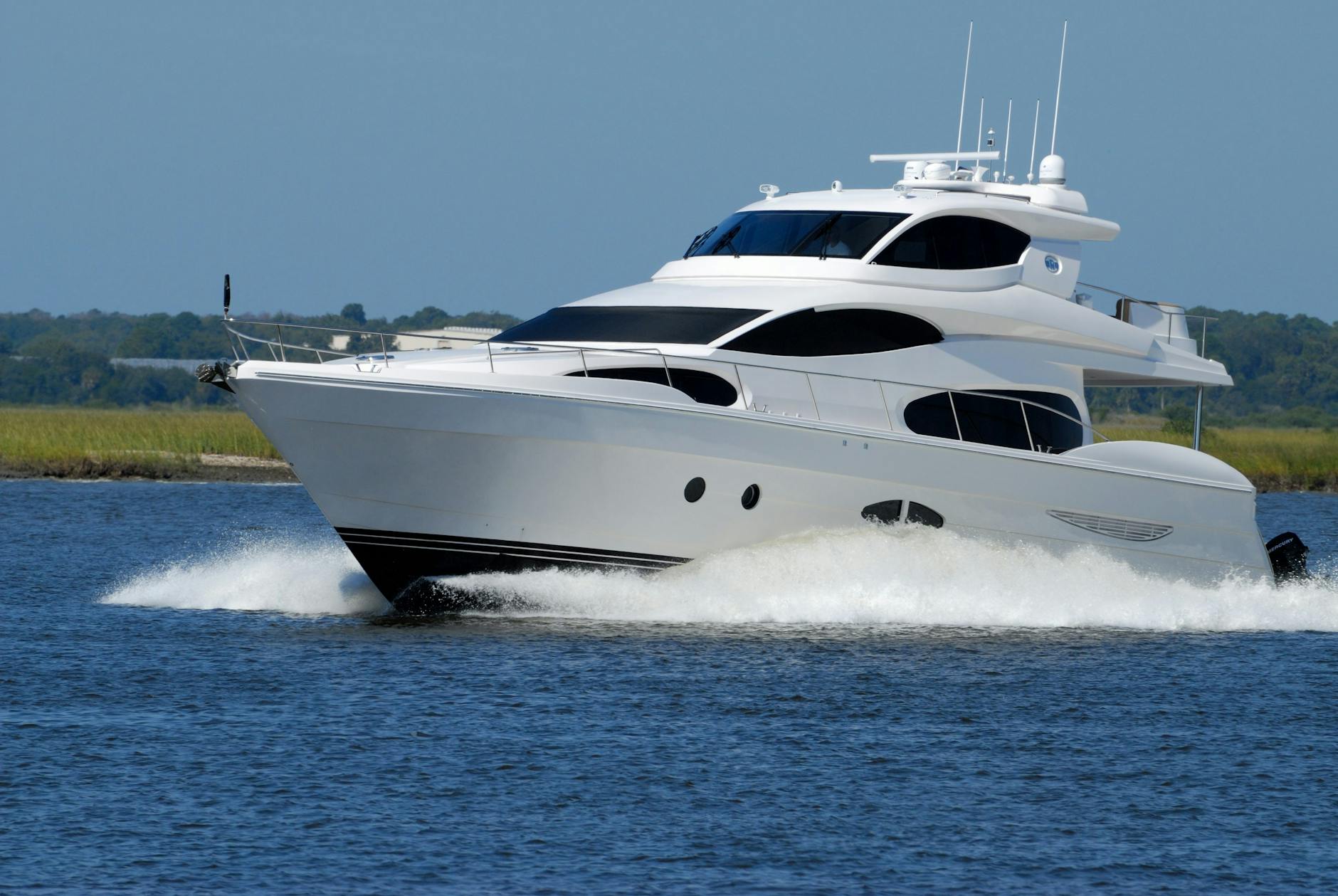
The Importance of Nautical Design
Nautical design is crucial to a vessel's functionality and allure. It determines how a boat functions to ensure safety while increasing passenger comfort. History casts a long shadow over modern nautical design, with centuries-old traditions informing the aesthetics and engineering that characterize modern craft. Contemporary design lines while integrating new techniques to meet today's needs. The ergonomic and hydrodynamic shapes are not merely artistic but offer streamlined efficiency to slice through the waves with minimal friction.
Principles Behind Aesthetic Nautical Design
Yacht design revolves around symmetry, balance, and proportion, which are essential for stability. Crafting a yacht is like creating a work of art, where every detail contributes to its harmony and functionality. Proper weight distribution keeps yachts steady in rough seas, while aesthetic features such as smooth lines and shiny finishes attract admiration. Each element, from the sleek hull to the elegant mast, is intentionally designed to enhance the sailing experience.
Innovations in Materials and Technology
The yacht industry is rapidly evolving, incorporating new materials like composites, carbon fiber, and advanced alloys to reduce weight while maintaining strength. These innovations improve speed and fuel efficiency, essential features for modern yachts. Recent designs feature cutting-edge propulsion technologies and hull designs that will enhance performance while reducing environmental impact, demonstrating a dedication to sustainability in luxury.
Environmental Considerations
Awareness of environmental issues influences nautical design, with yacht manufacturers adopting eco-friendly practices to minimize ecological footprints. Modern yachts include solar panels, hybrid engines, and sustainable materials, appealing to eco-conscious consumers. The industry aims to reduce emissions and enhance efficiency, ensuring that the beauty of the seas is preserved while blending luxury with responsibility.
Designing for the User Experience
The modern yacht emphasizes opulent experiences alongside sailing. Comfort and usability are key, with multi-functional interiors that promote relaxation. Open decks for leisure blend with private cabins, while smart technology enhances personalization. Owners increasingly seek to imprint their personalities on their yachts for a more intimate enjoyment of the sea.
Conclusion
The nautical design combines elegance and innovation, captivating those who dream of the open seas. These vessels are sailing masterpieces that showcase the creativity and engineering of their designers. As luxury and sustainability merge, yachts represent a future where elegance meets environmental responsibility. Embracing tradition and technology, the art of nautical design creates a lasting legacy on water.
- How To Compare Honolulu Neighborhoods by Commute, Cost, and Daily Life - October 28, 2026
- How to Make a Clinton Walk-In Urgent Care Request - October 28, 2026
- Water-Wise Lawns in Bowling Green, OH: A Seasonal Guide to Healthier Yards With Less Waste - October 28, 2026


