
Guide to Purchasing Cabins in Tennessee: What You Need to Know
Purchasing a cabin in Tennessee offers a unique opportunity to enjoy the natural beauty and serene landscapes that the state is known for. Whether you're looking for a peaceful retreat or a potential investment, understanding the nuances of cabin ownership in this region is crucial. The charm of Tennessee’s rolling hills, lush forests, and vibrant wildlife draws many to consider cabin life in this picturesque state. Cabins here offer a blend of rustic living with modern comforts, positioned perfectly for those who cherish privacy and tranquility. Before embarking on this exciting journey, it’s vital to grasp the intricacies involved in purchasing and maintaining a cabin in Tennessee to fully enjoy the rewards of this lifestyle choice.
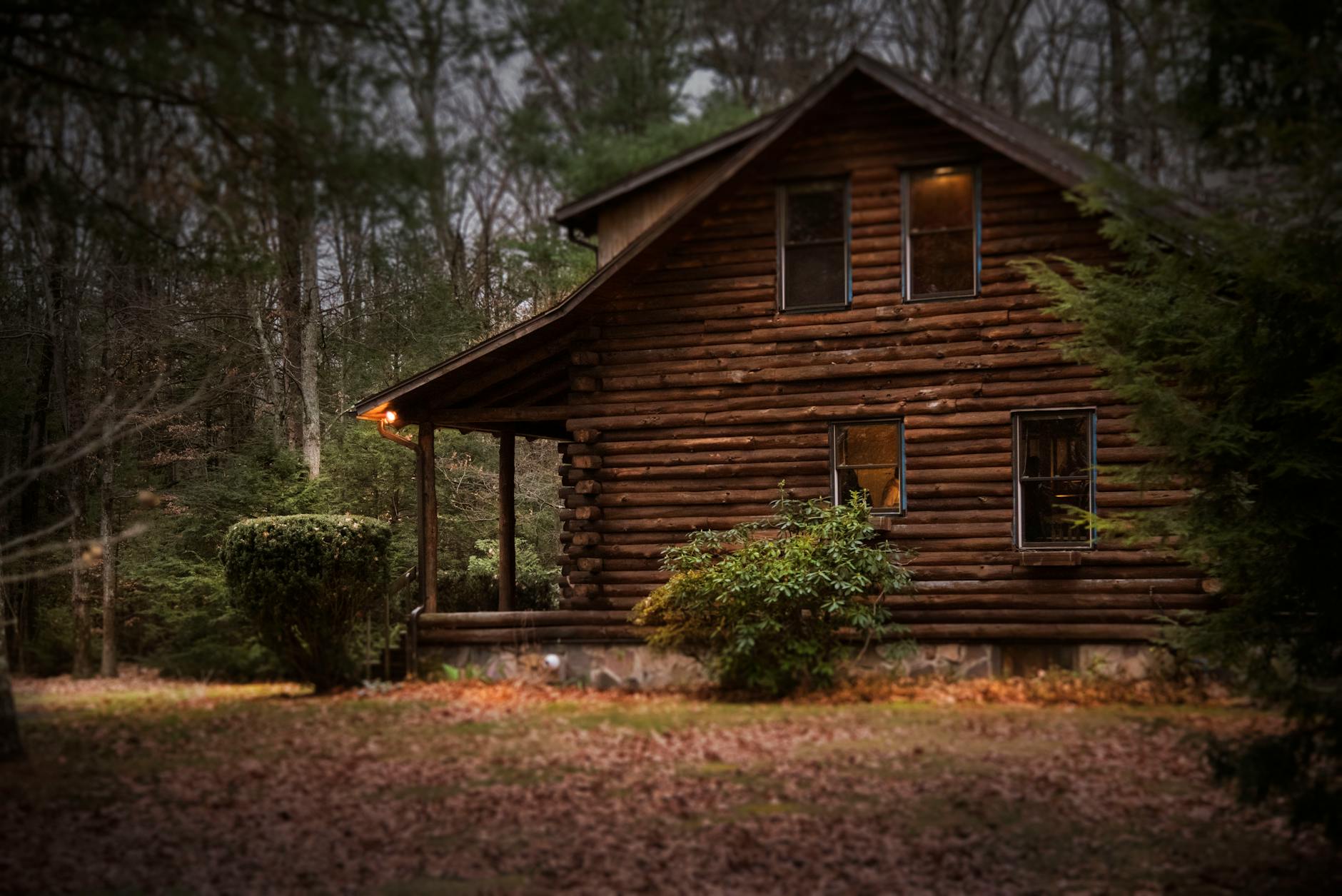
1. Understanding Cabin Locations
Tennessee is dotted with idyllic spots perfect for cabin living, with the Smoky Mountains being one of the most coveted locations. When choosing a cabin, consider how the location influences not only the property's ambiance but also accessibility to amenities like local markets, medical facilities, and entertainment options. Some areas are more secluded, offering ultimate privacy, while others are closer to tourist attractions and communities. The choice depends on your preferences for convenience versus solitude.
2. Budgeting for Your Cabin
Securing a cabin requires thorough financial planning. Beyond the purchase price, consider additional costs like property taxes, insurance, and maintenance expenses, which can vary significantly based on the cabin's size and condition. It's wise to set aside a budget for unforeseen repairs and upgrades, especially in older properties. Financing options vary, so it's beneficial to consult with a mortgage advisor who understands the specifics of purchasing rural and recreational properties to find the best terms.
3. Analyzing Local Real Estate Trends
When exploring the local real estate market, particularly for cabins for sale in Sevierville TN, it's important to understand the current trends. Buyers will find a variety of options, ranging from quaint, rustic retreats to more luxurious lodgings. This area is particularly appealing due to its proximity to the Great Smoky Mountains National Park, making it a hot spot for potential investment. Analyzing factors such as pricing, property features, and market demand can provide invaluable insights for making an educated purchase decision.
4. The Importance of Property Inspections
Never underestimate the importance of a comprehensive property inspection when purchasing a cabin. This should cover everything from the foundation and roofing to plumbing and electrical systems. Special attention should be given to potential issues unique to cabins, such as pest infestations or water damage. A thorough inspection can prevent costly surprises down the road, ensuring your cabin is safe and sound. Enlist a qualified inspector familiar with rural properties to get an accurate assessment.
5. Legal Considerations
When buying a cabin in Tennessee, it's crucial to understand the legal implications, including zoning laws and property rights. Some areas have strict regulations on land use, which could affect everything from construction to renovations. Additionally, ensure that the property's title is clear of any liens or disputes, which could complicate your ownership rights. Hiring a real estate attorney with experience in Tennessee property law is advisable to navigate these issues smoothly and provide peace of mind.
6. Cabin Maintenance and Upkeep
Owning a cabin in Tennessee means committing to regular maintenance to ensure the property remains in good condition and retains its value. This includes tasks like checking for roof leaks, ensuring that wooden components are treated to prevent rot, and keeping heating and cooling systems in working order. Depending on the location, you may also need to manage landscaping to prevent natural overgrowth from encroaching on the property. Plan for seasonal maintenance as well, such as preparing pipes for winter to avoid freezing and damage. Setting aside a maintenance budget as part of your overall financial planning will help cover these costs without financial strain.
7. Renting Out Your Cabin
If you're not planning to live in your cabin year-round, renting it out can be a great way to generate income. Sevierville and other popular areas near the Smoky Mountains attract tourists year-round, increasing the potential for rental income. However, becoming a landlord comes with responsibilities. You'll need to understand local regulations regarding short-term rentals, which may include obtaining permits and paying additional taxes. It's also important to provide a safe and welcoming environment for guests, which means investing in quality furnishings and regular upkeep. Hiring a property management company can simplify the process, though it will cut into your profits.
8. Environmental Concerns
When purchasing a cabin, consider the environmental factors that could affect your enjoyment and the property's value. This includes checking for flood risks, understanding the local wildlife, and ensuring there are no issues with soil stability or erosion. These factors are particularly important in rural Tennessee, where cabins are often nestled in natural settings. Conducting an environmental assessment before purchasing can save you from future problems and expenses related to environmental damage.
9. Community and Lifestyle
Living in a cabin in Tennessee can offer a unique lifestyle, close to nature and away from the hustle and bustle of city life. Before purchasing, spend some time in the community to see if it fits your lifestyle expectations. Many cabin communities are tight-knit, with neighbors who share similar interests in outdoor activities and conservation. This can be a great source of social support, but it's important to ensure you feel comfortable in the community.
10. Future Resale
While you may not be thinking about selling when you buy your cabin, it's wise to consider the resale value. Factors that enhance resale value include the cabin's condition, improvements made, and its location. Properties closer to popular tourist attractions or with exceptional views tend to appreciate in value. Keep records of all maintenance and upgrades, as these can be attractive selling points to future buyers.
In conclusion, purchasing a cabin in Tennessee requires careful consideration of various factors, from location and legal issues to maintenance and potential rental use. By understanding these elements, you can make an informed decision that ensures your cabin not only serves as a beautiful retreat but also as a wise investment. Whether you seek solitude or a side income, a cabin in Tennessee can fulfill those needs with proper planning and consideration.
- Residential Driveway Planning Guide: Materials, Drainage, Installation, and Maintenance - August 20, 2026
- A Flexible Zion National Park Itinerary for Hikers, Families, and Scenic Road Trippers - August 20, 2026
- Persistent Odors Need Source-Level Treatment: FIRESTONE Restoration Provides Professional Ottawa Sanitizing Services - August 20, 2026


