6 Lifestyle Factors That Affect Your Ear Health
Have you ever considered how your everyday choices impact your ability to hear? Ear health is often overlooked until something goes wrong. However, understanding the lifestyle factors that affect your ear health can help you take proactive steps to maintain your hearing abilities.
This blog post explores six key lifestyle factors influencing ear health. Whether you're experiencing hearing issues or want to maintain optimal ear health, this guide provides practical tips, facts, and examples to help you make informed decisions. Read on to get started!
Hygiene Practices
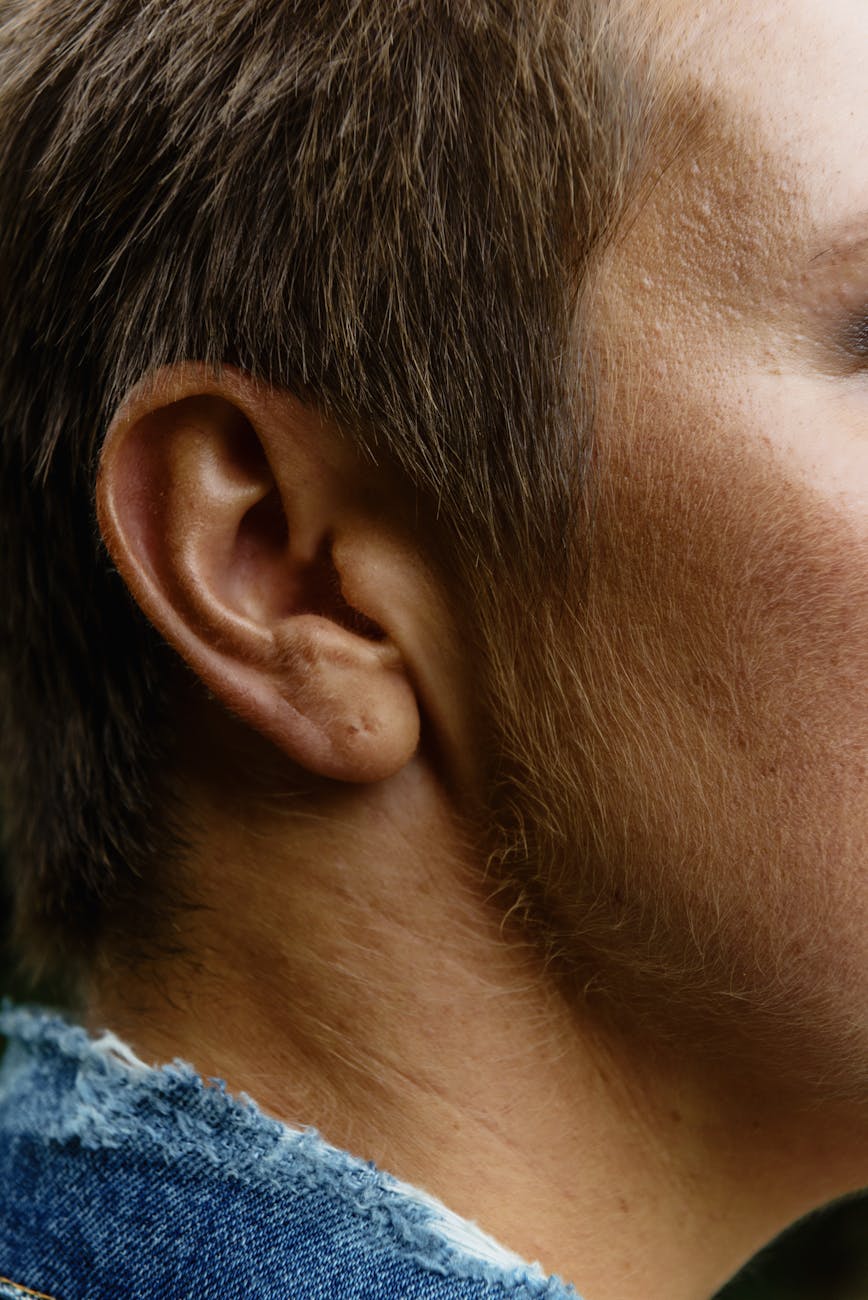
Proper ear hygiene is essential but often misunderstood. Avoid inserting objects like cotton swabs into your ear canal, which can push wax deeper and cause blockages or injuries. Instead, clean your outer ear with a damp cloth. According to the reputable providers of ear cleaning solutions behind https://thehearinghub.co.uk/, ear irrigation is the safest and most effective method for removing excess wax. But remember, ear wax plays a vital role in protecting your ears. However, excessive wax build-up can cause hearing problems. If you're experiencing discomfort or hearing loss, consult a healthcare provider for safe removal options. Keeping your ears dry and clean can prevent infections. After swimming or bathing, make sure to dry your ears thoroughly. Using earplugs while swimming can also minimize the risk of water-borne ear infections.
High Noise Exposure
Constant exposure to high noise is one of the most significant risks to your ear health. Typical sources include loud music, construction sites, and even traffic. Sounds above 85 decibels can lead to damage to your hearing over time, significantly if exposure is prolonged. For those working in noisy environments like factories or airports, wearing hearing protection is crucial. Earplugs or earmuffs can substantially reduce noise exposure. Regular hearing checks are also advised to monitor any changes early on. Even leisure activities such as attending concerts or using headphones at high volumes can be harmful. Opt for noise-canceling headphones that allow you to enjoy your music at lower volumes. Remember, it's not just about how loud the noise is but how long you're exposed to it.
Smoking
Smoking introduces many harmful chemicals into your body, some of which can damage the structures of your ear. Nicotine and carbon monoxide affect blood flow to your ears, potentially leading to hearing loss. It's not just smokers who are at risk. Second-hand smoke can also harm ear health, particularly in children. Ensuring a smoke-free environment can protect your ears and those of your loved ones. The good news is that quitting can improve your ear health over time. Reduced exposure to harmful chemicals allows your body to repair itself, potentially reversing some hearing damage.
Diet
A balanced diet has a vital role in maintaining ear health. Nutrients like omega-3 fatty acids, vitamins A, C, and E, and minerals such as magnesium and zinc are essential. These nutrients help maintain blood flow to the ear, reducing the risk of hearing loss. Staying hydrated is equally important. Fluid levels in your inner ear help maintain balance and hearing acuity. Drinking plenty of water ensures that your ears are well-hydrated and functioning correctly. Processed foods typically contain high levels of sodium and sugar, which can negatively impact your ear health. Opt for fresh, whole foods to keep your ears and overall health in check.
Exercise
Regular exercise boosts blood circulation throughout your body, including your ears. Enhanced blood flow delivers nutrients and oxygen, keeping your ears healthy. Exercise also helps reduce stress, which can exacerbate ear issues like tinnitus. Incorporating physical activities you enjoy, whether yoga, swimming, or jogging, can significantly benefit your ear health. Specific exercises aimed at improving balance can also be beneficial. Activities like tai chi or balance-centric workouts help maintain the vestibular system, which is crucial for equilibrium and preventing falls.
Use of Medications
Some medications are ototoxic, meaning they can damage your hearing. These include certain antibiotics, chemotherapy drugs, and high doses of aspirin. Always consult with your healthcare provider about the potential side effects of your medications. Even over-the-counter medications can pose risks to your ear health. Non-steroidal anti-inflammatory drugs (NSAIDs) like ibuprofen, when taken frequently, can lead to hearing loss. Always follow dosage guidelines and consult your doctor if you're concerned. Keeping a close eye on your medication intake and reporting hearing changes to your doctor can help mitigate risks. Alternative medications or dosages may be available that are safer for your ears.
Understanding the lifestyle factors that affect your ear health is the first step toward proactive care. You can significantly influence your ear health by managing noise exposure, maintaining a balanced diet, exercising regularly, being mindful of medication use, and practicing proper hygiene. Take charge of your hearing today. Implement these tips and notice the difference in your ear's health. For more personalized advice, consider consulting with an audiologist. Your ears will thank you!
- Understanding Plumbing Challenges and Solutions in Rogers, Arkansas - July 24, 2026
- Dental Implants in Rapid City, SD: Restoring Smiles for the Community - July 24, 2026
- Innovative Vision Solutions for the Modern Era - July 22, 2026