
How Mobile Tap Trailers Keep Beer Fresh at Outdoor Events
Nothing kills the vibe of a great festival faster than a foamy, tired-tasting pint. Beer wants what beer wants: stable cold, the right gas pressure, and a spotless path from keg to glass. Mobile tap trailers are built to give it exactly that, even when you’re pouring under a blazing sun with a line down the block.
These rigs aren’t just cute with chalkboard menus and shiny faucets. Under the skin, they’re purpose-built draft systems on wheels—insulated bays, glycol chillers, gas manifolds, and food-grade stainless everywhere it matters. Set up right, they deliver the same crisp lager snap or bright IPA aroma you’d expect at the brewery.
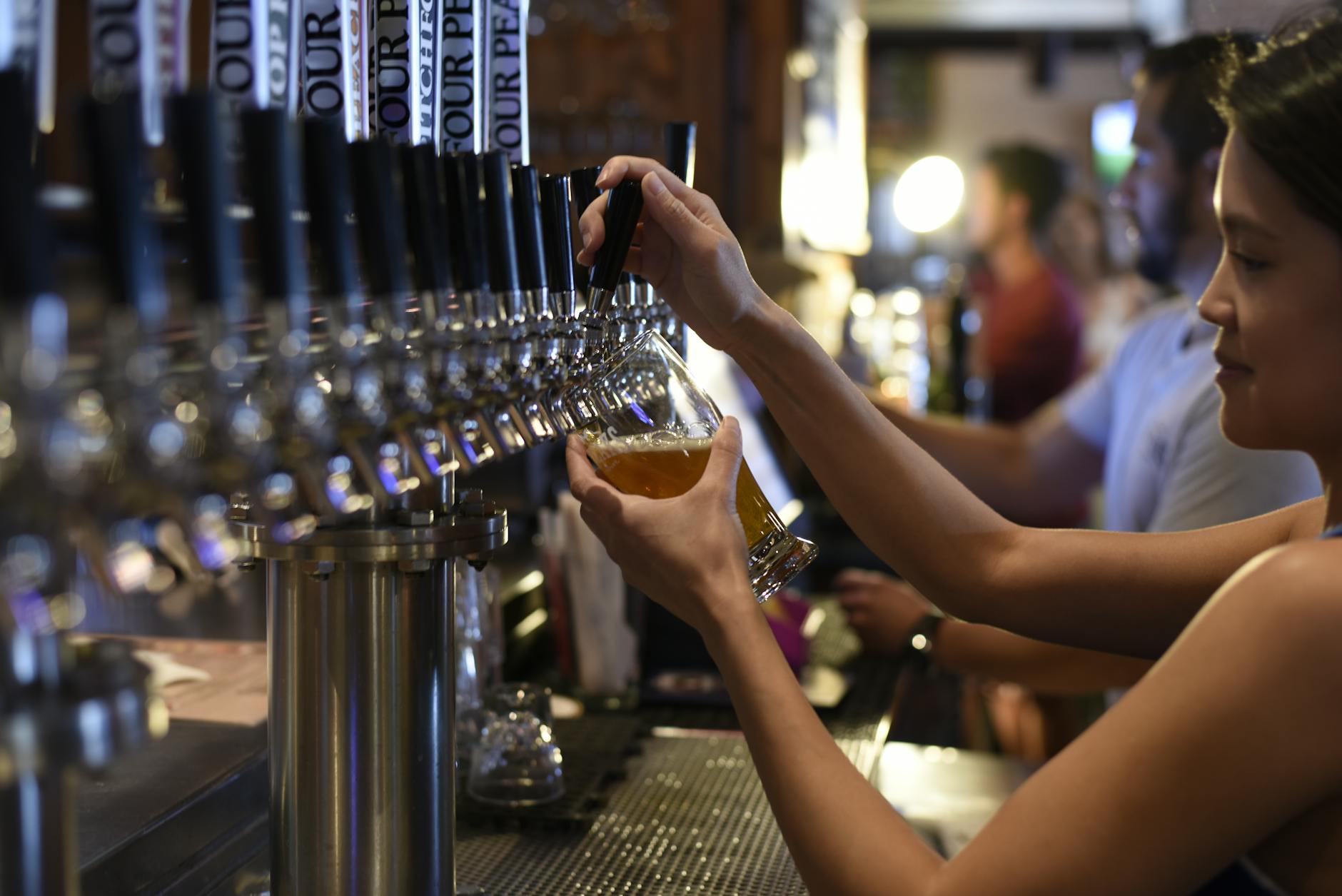
How Mobile Tap Trailers Keep Beer Fresh: The Big Three
Fresh draft is a balancing act. Temperature comes first because it controls carbonation in the glass and foam at the faucet. Keep beer cold and dissolved CO₂ behaves; let it warm up, and you get turbulent pours, flat sips, or both. Trailers are designed as rolling cold chains—pre-chilled kegs ride in insulated compartments, while trunk lines and shanks stay cold so the last inch before the glass doesn’t undo the work.
Next is pressure. Different styles want different volumes of CO₂ (and sometimes nitrogen), and long draw distances add friction. Trailers solve this with dedicated regulators per line and, when needed, blended gas to push beer without over-carbing it. The payoff is consistency: a clean one-second head, steady flow, and carbonation that feels right for the style.
Cleanliness ties it all together. Any residue in a beer line is a magnet for off-flavors. Pro crews sanitize between events and stick to disciplined cleaning schedules. That’s how you prevent that “buttery,” “vinegar,” or “band-aid” drift that can creep in when systems are neglected.
Cold Chain Control from Keg to Faucet
At an outdoor event, temperature drift is the enemy. Quality setups pre-chill kegs before load-in, minimizing the workload on the trailer’s cooling system once the sun’s out. The interior stays shut as much as possible, and the rig is leveled so gas doesn’t collect at high points in the lines. Many trailers run glycol loops around the shanks and through insulated trunk lines, keeping the entire beer path cold, not just the keg.
Why obsess over a few degrees? Because small shifts change how CO₂ behaves and how fast staling reactions happen. As a reference point, U.S. food safety guidance recommends keeping refrigerators at 40°F or below to slow microbial growth and preserve quality—useful context for event teams aiming to keep draft beer stable in field conditions.
The best crews also stage shade and airflow. A canopy over the service side keeps faucets and glassware cooler, and thoughtful tap placement shortens the pour path. Those little choices pay off when the rush hits and you need every pint to pour like the first.
Pressure & Pour: Carb Balance on the Move
Pressure control is where portable rigs earn their keep. Each line gets its own regulator, so you can run a delicate pilsner at one setting and a hazy IPA at another. When the trailer sits away from the service tent and you’re running a longer draw, blended gas (CO₂ with a touch of N₂) keeps the beer moving without cranking pressure so high that it dissolves extra CO₂ into the liquid.
Setups that offer nitro capability add another layer of polish. Nitrogen’s lower solubility gives stouts and porters that fine, creamy head and softer mouthfeel, even outside. It’s also a great way to keep a single dark line special while the rest of the board stays bright and bubbly.
If you’re planning a bigger crowd or a wider style set, browsing real-world layouts can help you size the system—tap count, regulators, and cooling capacity—to your event. You’ll find plenty of examples of beer tap trailers in the US that show how pros configure lines for both volume and variety.
Sanitation & System Hygiene Protect Flavor
Once you’ve nailed cold and pressure, cleanliness keeps flavor locked in. Yeast, hop oils, and proteins cling to beer-contact surfaces and quietly wreck aroma if they’re not removed. That’s why reputable operators flush and sanitize lines after every run and stick to defined cleaning intervals with caustic or approved detergents, followed by an acid rinse when needed for mineral removal.
The science backs the stakes here. After packaging, freshness declines as oxygen and temperature influence volatile aroma compounds, shifting hop character and pushing “stale” notes if systems aren’t tight and clean. Peer-reviewed research mapping larger aroma over time shows precisely how those profiles drift, underscoring why oxygen exposure and dirty hardware are non-starters for quality service.
On event day, small habits compound. Purge lines before the first pour. Pull test pints to confirm flow and head. Wipe faucet tips during lulls. Close doors promptly. Break down with a full flush so the system isn’t sitting dirty in transit. None of this is glamorous, but it’s how you keep that bright, brewery-fresh snap all afternoon.
The Takeaway
Outdoor service doesn’t have to mean compromised beer. Mobile tap trailers keep beer fresh at outdoor events by protecting the cold chain, matching pressure to style and distance, and keeping the draft path surgically clean. Get those three right and every pour—from the first toast to the last call—tastes like it came straight off the brewery’s own taps.
- Understanding Plumbing Challenges and Solutions in Rogers, Arkansas - July 24, 2026
- Dental Implants in Rapid City, SD: Restoring Smiles for the Community - July 24, 2026
- Innovative Vision Solutions for the Modern Era - July 22, 2026


