
Digital Marketing Strategies for School Counselors: Enhancing Communication and Resources
Key Takeaways
- Social media is essential for real-time engagement with students and parents.
- Digital newsletters offer interactive access to resources and important updates.
- Webinars and virtual events increase accessibility and participation.
- AI and automation streamline routine tasks, freeing counselors to focus on meaningful interactions.
- Collaboration with professional organizations provides fresh digital resources and support.
School counselors are at the forefront of student support, and today’s digital world offers an unprecedented opportunity to connect with students and families. By leveraging online tools, counselors can extend their reach, improve access to vital resources, and communicate more efficiently than ever before. A valuable service for outreach efforts is the High School Counselor Database for College Recruiters, which streamlines communication with key educational stakeholders.
As digital environments become central for family and student interaction, counselors need to adopt online platforms. Effective digital marketing enhances the visibility and accessibility of programs, which is crucial for meeting the increasing demand for timely support. This article outlines practical digital marketing strategies that enable school counselors to communicate effectively, promote their services, and build trust with families while maximizing outreach. Utilizing a diverse set of tools and partnerships helps counselors remain relevant in a changing educational landscape and effectively connect with families, students, and colleagues online.
Leveraging Social Media for Engagement
Social media has quickly become an indispensable tool for school counselors aiming to maintain a direct line of communication with their school community. Platforms such as Facebook, Instagram, and TikTok enable counselors to post regular updates, announce events, and share helpful resources. For example, many counselors have found that using TikTok to present scholarship opportunities or study tips engages students who otherwise might not respond through traditional channels. Consistent, approachable content builds trust and encourages ongoing dialogue.
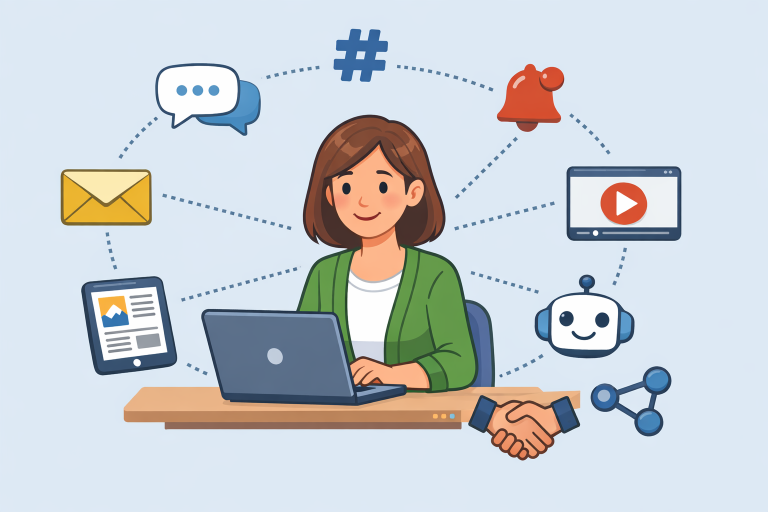
Additionally, counselors can use social media analytics tools to measure their outreach and refine their strategies over time. By monitoring which posts generate the most engagement, such as likes, shares, or comments, counselors can tailor their communication to what resonates most with students and families. Harnessing these insights, counselors can plan future campaigns with greater precision, ensuring that each message lands with greater impact. Participating in online discussions and creating hashtag campaigns also provides new ways to foster a sense of community, sparking conversations around important issues such as mental health, college readiness, or upcoming school deadlines. Ultimately, thoughtful use of social platforms turns them into hubs of connection and resource sharing for everyone involved.
Developing Digital Newsletters
Digital newsletters enhance communication by saving resources and providing an interactive experience through links, videos, and polls, allowing families and students to engage with content actively. They can be tailored to specific audiences and utilize email marketing analytics to track engagement, enabling ongoing content optimization. Surveys and feedback mechanisms foster two-way communication and help counselors address evolving needs, leading to greater awareness and participation among the school community.
Hosting Informative Webinars
Webinars offer flexible, accessible ways to cover high-interest topics like college admissions and test anxiety, fitting busy schedules. They include live and recorded sessions, enhancing reach and referenceability. Webinars also foster community through Q&A and breakout discussions. According to U.S. News & World Report, virtual events often see greater participation than in-person ones. The rapid response capability of webinars allows quick updates on issues like college application changes. Interactive features like polls and pre-submitted questions boost engagement. Post-session surveys gather feedback for improvement. Over time, a library of recordings becomes a valuable resource for students, parents, and staff.
Implementing AI and Automation Tools
Artificial Intelligence (AI) and automation significantly benefit counselors by streamlining time-consuming administrative work. Scheduling appointments, sending reminders, and managing records can all be automated, freeing counselors to concentrate more directly on student assistance. AI tools also provide data-driven insights and can help identify trends and at-risk students who may need additional support. With technology handling repetitive tasks, counselors can devote more attention to delivering personalized guidance.
Beyond routine task management, AI-powered chatbots and help desks can be integrated into school websites, providing students and families with instant 24/7 support. These systems can answer frequently asked questions and route specific concerns directly to a counselor, ensuring more effective communication and quicker issue resolution. Automated follow-up emails, deadline reminders, and document submissions further streamline essential counseling processes. By harnessing automation's efficiency, counselors are empowered to prioritize what matters most: nurturing relationships and delivering guidance that makes a genuine difference in students' lives.
Collaborating with Educational Organizations
Partnerships with organizations like NACAC expand resources for counselors, offering exclusive access to digital toolkits, webinars, and best practices. These collaborations help schools stay ahead of trends and provide students with authoritative information on college applications and financial aid. External partnerships streamline professional development and resource sharing. Working with professional associations broadens information for students and creates networks for advice, collaboration, and continuing education through online forums, mentoring, and best practice exchanges. Participating in these networks allows counselors to access the latest digital resources and learn from peers, strengthening counseling programs and increasing their long-term impact on students and families.
Conclusion
Digital marketing strategies enable school counselors to build resilient communities through social media, newsletters, webinars, AI-powered tools, and collaborations. These resources foster a supportive environment for students. Embracing technology is essential for counselors to create comprehensive support systems, improve digital engagement, and adapt to evolving educational needs. Being adaptable and open to innovation will set forward-thinking counselors apart.
- Understanding Plumbing Challenges and Solutions in Rogers, Arkansas - July 24, 2026
- Dental Implants in Rapid City, SD: Restoring Smiles for the Community - July 24, 2026
- Innovative Vision Solutions for the Modern Era - July 22, 2026


